10 Fun Facts About Monstera Peru And Its Unique Growth Patterns
Monstera Peru doesn’t scream for attention like a variegated diva, but it wins hearts quietly—one textured leaf at a time. Those deep green, corrugated blades look like they were handcrafted by a fancy wallpaper designer. And the way this plant grows?
Sneaky, strategic, and low-key fascinating. Let’s nerd out over 10 fun facts and the weirdly wonderful growth patterns behind them.
Meet Monstera Peru: The Textured Mystery
Monstera Peru (sometimes sold as Monstera karstenianum) is a climbing aroid with rugged, glossy leaves that feel like thick leather. You won’t see the iconic Swiss cheese holes here.
Instead, it flaunts deep venation and ridges that give it a reptilian vibe. Think dragon scales, but make it houseplant.
It grows like a champ when you give it support and decent humidity. Neglect the support, and it’ll sulk horizontally like a toddler refusing bedtime.
1) It’s a Monstera… Without the Holes
Surprise: not all Monsteras fenestrate. Monstera Peru rarely forms holes or splits, even when mature.
That’s normal. No need to stare at leaves waiting for windows that never show up.
The lack of fenestration lets the plant keep a thicker leaf, which helps it tolerate less-than-perfect indoor conditions. IMO, the texture more than makes up for the missing Swiss cheese aesthetic.
2) It Grows like a True Climber (And It Knows When to Climb)
Monstera Peru follows a classic aroid life plan: creep along as a juvenile, then shoot upward once it finds a surface.
This “shingle-ish” tendency helps it latch onto tree bark in the wild. Indoors, a moss pole or plank turns it from cute to “how did it get so big so fast?”
How to Encourage Vertical Growth
- Give it a moist moss pole or coco pole so aerial roots can grip.
- Keep humidity around 50–70%. More humidity = better root adhesion.
- Gently tie or clip vines every few nodes to guide the climb.
3) The Leaves Get Thicker and Shinier with Age
Juvenile leaves look cute, but mature leaves go bold.
You’ll notice richer color, deeper texture, and a thicker leaf blade as it climbs and gets more light. Higher light (not direct scorch) + support = glow-up.
FYI: If leaves start flattening and losing texture, check your light and humidity. It’s the plant equivalent of “I’m tired, please fix my environment.”
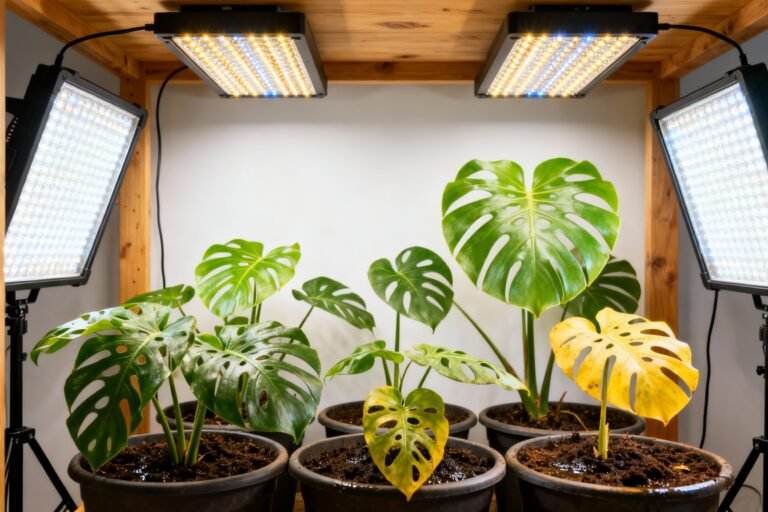
4) It Loves Bright Indirect Light (But Hates Drama)
Monstera Peru thrives in bright, indirect light.
Think near a window with filtered sun. Give it morning sun for a couple hours if you want, but avoid harsh afternoon rays that crisp the edges.
Light Cues You Can Trust
- Compact internodes + deep green: Light is great.
- Leggy growth + smaller leaves: Needs more light.
- Bleached patches or crispy tips: Too much direct sun.
5) Those Aerial Roots Aren’t Just For Show
Monstera Peru sends out aerial roots that search for moisture and support. They look messy sometimes, but they’re how the plant anchors and feeds itself while climbing.
Clip them only if they’re getting unruly, but the plant will sulk a bit.
Pro Hack: “Root Fuel” Poles
Keep your moss pole slightly moist to invite aerial roots in. Once the roots colonize the pole, the plant grows faster and produces larger, more textured leaves. It’s plant steroids—legally.
6) It Performs Best in Chunky, Well-Draining Mixes
Monstera Peru likes moisture but hates soggy feet.
Use a chunky aroid mix that drains fast and stays aerated. Roots need to breathe while they hustle.
- Base: high-quality potting mix or coco coir
- Add-ins: orchid bark, perlite, pumice, a dash of horticultural charcoal
- Optional: worm castings for a gentle nutrient bump
7) It’s an Undercover Fast Grower
Monstera Peru won’t sprint like a pothos, but under good conditions, it puts out frequent new leaves and extends quickly. Picture slow and steady, but with gains.
Warmth, support, and light speed it up dramatically.
IMO, it gives “I mind my business and still look fabulous” energy. Low drama, high payoff.
8) Propagation Is Easy—But One Method Wins
You can propagate in water, soil, or sphagnum moss. The winner? Sphagnum moss with high humidity.
It balances moisture and oxygen, which roots adore.
- Cut below a node with a clean tool.
- Stick the node in moist sphagnum moss; bag or dome it for humidity.
- Provide bright, indirect light and air exchange 1–2 times a day.
- Pot into chunky mix once roots reach 2–3 inches.
Water propagation works, but plants often stall after potting. Moss or perlite mixes transition smoother.
9) It Rarely Pests Out (But Don’t Get Cocky)
Monstera Peru’s thick leaves resist pests better than thin-leaf houseplants. Still, spider mites and thrips crash the party if conditions go dry and dusty.
Keep humidity decent and wipe leaves monthly.
- Prevent: periodic shower, neem or rosemary oil sprays, airflow.
- Treat: isolate plant, use insecticidal soap or systemic granules if severe.
10) It Can Revert or “Pause” If You Move It
When you change its light or pot, Monstera Peru might slow down or produce smaller leaves for a few weeks. Totally normal. Let it acclimate, keep watering steady, and don’t blast it with fertilizer out of guilt.
Once it adjusts, growth resumes and leaf size returns.
Patience grows plants—annoying but true.
Growth Pattern Quirks You’ll Actually Notice
- Short internodes in good light create a dense, lush look.
- Runner mode: It sends long, leafless stretches when it hunts for brighter spots or something to climb.
- Directional growth: It leans toward light sources; rotate weekly for symmetry.
- Node memory: It roots and rebounds faster on cuttings taken from mid-vine nodes than from very young tips.
Care Cheatsheet (Because You’re Busy)
- Light: Bright, indirect; a few hours of soft morning sun.
- Water: When the top 1–2 inches dry; never waterlog.
- Humidity: 50–70% ideal; 40% minimum with good watering habits.
- Support: Moss or coco pole for size and speed.
- Food: Balanced liquid fertilizer at 1/2 strength every 3–4 weeks in spring/summer.
- Repot: Every 1–2 years or when roots circle the pot.
FAQ
Does Monstera Peru fenestrate like Monstera deliciosa?
Nope. Monstera Peru typically doesn’t fenestrate. Its charm lies in the corrugated texture and deep green sheen, not holes or splits.
If you see holes, you probably have a different Monstera.
Why are my leaves getting smaller?
Small leaves usually mean insufficient light, no support, or low humidity. Move it closer to bright light, add a pole, and bump humidity. Also, avoid chopping the vine too frequently; let it mature upward.
What’s the best soil mix?
Use a chunky aroid blend that drains fast: potting mix or coco plus bark, perlite/pumice, and a touch of charcoal.
You want moisture retention without compaction. Compacted soil = sulky roots.
How often should I water?
Water when the top inch or two feels dry. In bright light and warmth, that might be weekly.
In winter, slow down. Always check the soil instead of following a strict schedule—plants don’t read calendars, FYI.
Can I grow it without a moss pole?
Yes, but expect smaller leaves and slower growth. With a pole, leaves get thicker and larger, and the plant looks more dramatic.
No pole = viney, trailing look. Choose your aesthetic.
Is Monstera Peru toxic to pets?
Yes. Like many aroids, it contains insoluble calcium oxalates that can irritate mouths and stomachs.
Keep it out of reach of curious chewers and maybe offer them cat grass as a peace offering.
Conclusion
Monstera Peru keeps things simple: give it light, a chunky mix, and something to climb, and it will reward you with lush, sculpted leaves. It won’t throw dramatic fenestrations, but it flexes texture and shine like a pro. Treat it right, and it’ll climb, thicken, and quietly become the coolest plant in the room—no spotlight required, IMO.