9 Differences Between Ironite And Milorganite For Garden Fertilization
Let’s settle a common lawn-and-garden debate: Ironite vs. Milorganite. Both promise greener, happier plants—but they don’t work the same way, and they don’t solve the same problems.
If you’ve stared at both bags in the garden aisle wondering which one your soil actually needs, you’re in the right place. Grab your gloves; we’re digging into the real differences so you stop guessing and start growing.
What Each Product Actually Is
Milorganite is a slow-release, organic-based fertilizer made from heat-dried microbes that digested wastewater nutrients. It sounds weird, but gardeners swear by it for steady growth and improved soil health. Ironite is a mineral supplement focused on iron and other micronutrients.
It’s not a complete fertilizer. Think of it as a targeted fix when grass or plants look chlorotic (yellow leaves with green veins).
Bottom line
– Use Milorganite when you want long-term feeding and better soil. – Use Ironite when you need a quick iron boost and deeper green color.
NPK and Nutrient Profiles
Milorganite’s typical analysis is around 6-4-0 (nitrogen-phosphorus-potassium), though phosphorus content may vary by region due to regulations. It brings organic matter plus iron, too—usually around 2–4% iron.
Ironite doesn’t focus on NPK. The bag often lists very low NPK (like 1-0-1 or similar) but a high iron percentage (often 20%+ in granular forms). It also includes other micronutrients like manganese.
What that means for growth
– Milorganite feeds plants and soil biology.
It supports leaf, root, and overall plant growth. – Ironite mainly boosts chlorophyll production for greener leaves. It won’t replace a real fertilizer.
Release Speed and Longevity
Milorganite releases slowly as microbes break it down. Expect gentle, consistent feeding over 6–10 weeks.
No surge growth. No drama. Ironite works faster. You’ll often see greener color within days, especially with liquid versions.
But the effect fades faster than a full fertilization.
Timing tips
– Apply Milorganite at the start of the growing season and again mid-season. – Use Ironite when you notice yellowing or want cosmetic greening before events or photos (yes, lawn selfies count).
Soil and Plant Health Effects
Milorganite adds organic matter that improves soil structure, water retention, and microbial activity. Plants get long-term benefits even beyond the immediate nutrient content. Ironite doesn’t improve soil structure.
It’s a micronutrient fix. If your soil is compacted clay or sandy and starved of organic matter, Ironite won’t change that. Milorganite will help nudge it in the right direction.
Chlorosis vs.
Hunger
– Yellow leaves with green veins? Suspect iron deficiency—Ironite can help quickly. – Pale growth and weak plants overall? That’s a macronutrient issue—go Milorganite or a balanced fertilizer.
Safety, Environmental Angle, and Pet Concerns
Milorganite is heat-treated to kill pathogens.
It’s considered safe for lawns where kids and pets play after it’s watered in, but it has a mild odor. Some dogs find it… interesting. Supervise the nibblers.
Ironite has had formulations in the past that raised eyebrows about heavy metals. Modern products comply with regulations and are labeled for safe use as directed. Still, don’t overapply, and keep it off sidewalks and into the soil where plants can use it. FYI: Always sweep granules off hard surfaces and water in after spreading.
Your storm drain doesn’t need fertilizing.
Cost and Application Frequency
Milorganite isn’t the cheapest, but it covers a lot: feeding, iron, and soil improvements. You’ll apply a few times per growing season. Ironite tends to cost less per application and gets used occasionally as a corrective or color boost.
If you’re using it constantly, you probably need soil testing and a real fertilization plan.
Typical use patterns
– Milorganite: 2–4 times per season depending on climate and plant type. – Ironite: As needed when you see yellowing or want a quick green-up.
Grass Types and Gardens: Who Benefits Most?
Cool-season lawns (Kentucky bluegrass, fescue, ryegrass) love iron—Ironite can deepen the green dramatically. Warm-season lawns (Bermuda, Zoysia, St. Augustine) also respond, especially during active growth.
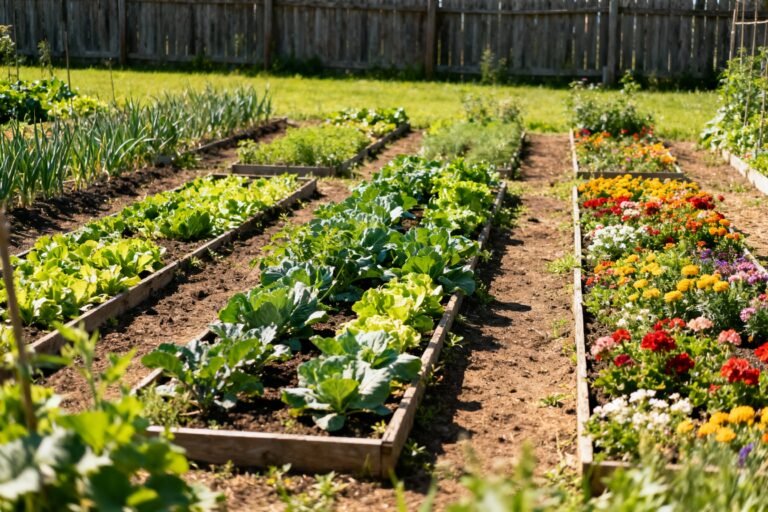
Vegetable and ornamental beds? Milorganite provides steady nitrogen without burning and improves soil tilth. Ironite can help iron-hungry plants like blueberries, azaleas, and gardenias, particularly in alkaline soils.
Soil pH matters
– High pH (alkaline) soils often lock up iron.
Ironite or chelated iron shines here. – Neutral to slightly acidic soils often respond well to Milorganite alone.
Ease of Use and Compatibility
Both spread easily in granular form. Liquids (mostly Ironite) offer faster uptake but need more careful handling. Good news: you can use them together.
Milorganite for long-term feeding plus Ironite for a color boost or deficiency correction. Just don’t stack heavy applications on the same day. Space them a week apart to see how plants respond.
Do you need both?
– If your lawn looks pale but grows fine: Ironite first. – If growth lags and soil feels “dead”: Milorganite first. – If you want the best of both worlds: Milorganite base program with occasional Ironite touch-ups.
9 Clear Differences at a Glance
- Purpose: Milorganite feeds; Ironite corrects iron deficiency and boosts color.
- NPK: Milorganite has meaningful N and some P; Ironite has minimal NPK.
- Iron content: Ironite is high-iron; Milorganite contains some iron but much less.
- Release speed: Milorganite is slow-release; Ironite acts fast.
- Soil impact: Milorganite improves soil organic matter; Ironite doesn’t.
- Use frequency: Milorganite forms a seasonal program; Ironite is used as-needed.
- Visible results: Ironite greens quickly; Milorganite builds steady growth and color over time.
- Best targets: Milorganite for overall plant and soil health; Ironite for chlorosis and cosmetic greening.
- Cost efficiency: Milorganite offers broader benefits per bag; Ironite is cost-effective for quick fixes.
FAQs
Can I apply Ironite and Milorganite together?
Yes, but you don’t need to apply them on the same day.
Apply Milorganite as your base feed, then evaluate color. If you still see yellowing, apply Ironite a week later. IMO, spacing them helps you avoid overdoing it and wasting product.
Will Ironite burn my lawn?
Used as directed, Ironite rarely burns because of its low nitrogen.
Still, follow the label, water it in, and avoid applying on scorching afternoons. Your lawn isn’t a griddle.
Does Milorganite smell?
A little. The scent fades after watering and a day in the sun.
Most folks find it tolerable; some dogs think it’s snack time. Keep pets off until you water it in.
Which is better for vegetable gardens?
Milorganite generally fits vegetable beds better due to slow-release nitrogen and soil benefits. If you see iron deficiency in specific crops (like blueberries near alkaline soils), spot-treat with Ironite or a chelated iron product.
Always follow label directions for edibles.
How do I know if my plants need iron?
Look for interveinal chlorosis: yellow leaves with green veins, especially on new growth. If that’s the symptom—and your pH runs high—Ironite or chelated iron helps. If entire plants look pale and weak, you probably need nitrogen, not iron.
Should I test my soil first?
Absolutely. A $20–$30 soil test saves you guesswork and money.
It reveals pH, nutrient levels, and organic matter so you can choose Milorganite, Ironite, or both with confidence. FYI, it’s the best lawn upgrade you can buy that isn’t a mower.
Conclusion
Ironite and Milorganite aren’t rivals—they’re tools for different jobs. Milorganite handles feeding and soil health, while Ironite swoops in for fast green and iron fixes.
Use Milorganite as your steady baseline, keep Ironite for targeted boosts, and let your soil test be the referee. Do that, and your lawn and garden will flex that rich, healthy green without the guesswork. IMO, that’s a win.