Watercolor Cake Roll: Edible Art in a Bite
Watercolor Cake Roll is not just dessert—it’s edible art that somehow tastes like a vacation in a bite. If you’ve ever stared at a sponge cake swirled with fruit stains and thought, “That looks too pretty to eat,” you’re not alone. Let’s dive into a playful, practical guide to crafting a watercolor cake roll that tastes as good as it looks.
What is a Watercolor Cake Roll, and why should you care?
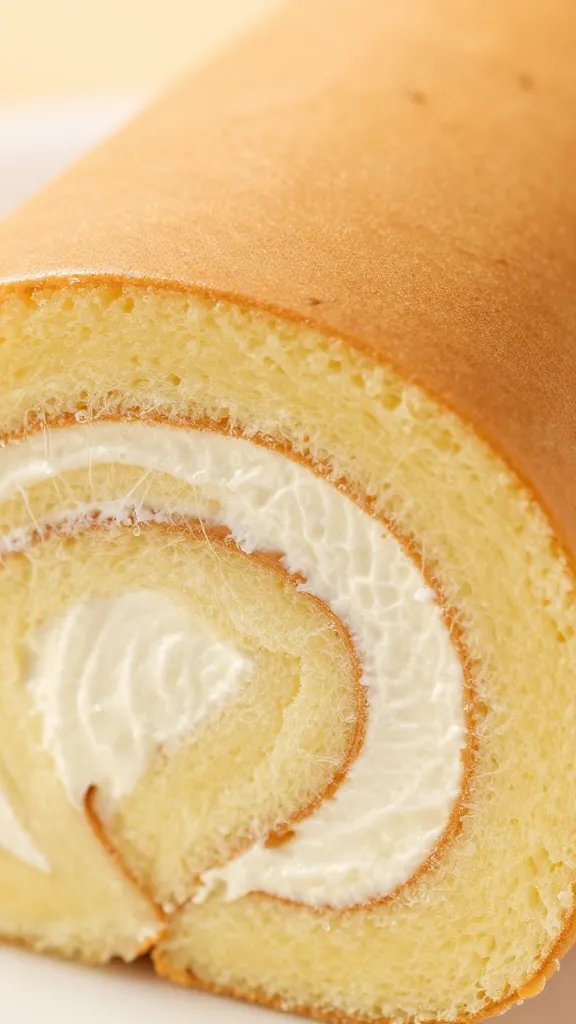
Watercolor cake roll is a light, rolled sponge cake filled with creamy layers that mimic watercolor swirls. The color comes from fruit purées, jams, or edible gels swirled into the batter or filling. The result is a cake with soft, dreamy color gradients that photograph beautifully and taste even better. FYI, the trick isn’t to be perfect—it’s to be charmingly imperfect.
Getting the vibes right: choosing the palette
– Pick two to three colors that complement each other. Think peach with lavender, mint green with coral, or berry tones with a touch of lemon.
– Use natural food colors or fruit purées for flavor-forward garnish. The more you can taste the color, the better.
– Consider the filling. A vanilla buttercream, mascarpone, or lemon curd works well with most palettes.
Subsection: flavor-first color pairing
Choosing colors that reflect a flavor helps the concept feel cohesive. If you’re going bright pink and turquoise, add a zingy lime zest in the filling to echo the citrusy bite. If you go for a muted rose and sage, a vanilla cream keeps things elegant. The goal is harmony, not chaos.
Tools and technique: rolling with confidence
– You’ll want a parchment-lined sheet pan—ideally around 12×17 inches for a nice thin sheet.
– A flexible spatula, a piping bag, and a toothpick or skewer for marbling are your best friends.
– A clean kitchen towel helps you roll smoothly without cracking.
Subsection: the sponge that behaves
Use a genoise or a light sponge so the roll doesn’t feel heavy. Whisk eggs and sugar until pale and fluffy, then fold in flour gently. Don’t overwork it, or you’ll lose that delicate texture. The batter should spread into a thin, even layer—think a lazy superhero cape.
Marbling magic: painting with batter
– Divide the batter into small bowls, color each with your chosen hues.
– Dollop colors onto the pan in a loose pattern. You don’t want perfect stripes—more like watercolor splotches.
– Use a skewer to swirl the colors together just a touch. Aim for soft edges, not muddy chaos.
– Bake just until set, not browned. A little underdone is okay—the roll will finish in the fridge.
Subsection: shaping and rolling like a pro
While the cake is warm, flip it onto a sugared tea towel. Gently roll with the towel inside to shape and prevent cracking. Let it cool completely in the towel. This “pre-roll” step locks in moisture and helps the final roll stay supple.
Filling ideas that complement the watercolor vibe
– Classic vanilla buttercream for a timeless backdrop.
– Lemon cream or mascarpone for brightness that pops under color.
– Whipped cream with a berry compote for a lighter, fruit-forward option.
Subsection: options that won’t weigh you down
If you’re counting calories or just want something less heavy, try a light ricotta-honey filling or Greek yogurt with a touch of vanilla. You’ll still get creaminess without feeling like you swallowed a pillow.
Assembly: from sheet to showstopper
– Unroll the cooled sponge, leaving it on the paper for alignment.
– Spread your chosen filling in a thin, even layer, leaving a small margin at the far edge to seal.
– Re-roll tightly using the towel for support. The trick is to keep it snug without squeezing out all the air.
– Chill for at least an hour so the roll holds its shape when sliced.
Decorating and finishing touches
– Dust with a light sugar glaze or powdered sugar for a soft, whimsical look.
– Drizzle a berry coulis or a white chocolate glaze in a loose, abstract pattern to accent the watercolor vibe.
– Add edible gold leaf specks if you’re feeling fancy and festive.
– Slice with a sharp, clean blade for clean rainbow-edged rounds.
Subsection: plating like a pro
Plate with a smear of coulis on the plate, then stack a few slices for mini watercolor columns. A few fresh berries or edible flowers can anchor the color story and give a pop of contrast.
Common hiccups and how to fix them
– Cracking on the roll: this happens when the sponge is too dry or the roll is too hot. Fix by rolling while warm but not hot, and keep the sponge moist with a light towel mist before rolling.
– Colors bleeding into each other: reduce the amount of wet color and swirl subtly. If needed, set colors a minute or two before adding to the batter to avoid bleeding.
– Filling squishes out: leave a small margin at the edge and roll snugly, but don’t overfill. A tight roll holds better than a fluffy one that bursts.
FAQ
Can I freeze watercolor cake rolls?
Yes. Wrap slices tightly in plastic wrap and freeze. Thaw in the fridge or at room temperature. The colors hold up well, and the texture stays light.
What flavors pair best with watercolor coloring?
Bright fruit flavors (strawberry, lemon, blueberry) compliment the colors beautifully. Classic vanilla or light mascarpone also work nicely as a neutral canvas.
Do I need special food coloring?
Not really. You can use gel food coloring, which gives vibrant hues without thinning the batter. If you’re using liquid color, reduce other liquids slightly to keep the batter from getting too runny.
How do I prevent the sponge from sticking to the towel?
Dust the towel with a thin layer of powdered sugar or cocoa powder, or place parchment between the sponge and towel. It should lift away cleanly when you roll.
Is there a non-dairy option?
Absolutely. Use dairy-free fillings like coconut cream, almond-based whipped cream, or soy mascarpone. Pair with fruit purées for the color and flavor punch.
Conclusion
Watercolor Cake Roll is basically edible art that you can actually eat for breakfast or dessert, depending on how fancy you’re feeling. It’s forgiving enough for a weekend experiment and pretty enough to wow guests with minimal effort. IMO, the best part is chasing the color while keeping flavors punchy and balanced. So grab your palette, roll up some creativity, and turn a simple sponge into a little rainbow you can bite into. Ready to start painting with batter? Let the colors fly—and don’t forget to take a few photos before the slice gets eaten.