Coconut Pound Cake Recipe That Slaps with Big Coconut Energy
Coconut pound cake doesn’t mess around. One slice, and you get buttery richness, sweet coconut vibes, and a crumb so tender it practically whispers. You don’t need a bakery degree to pull it off—just a bowl, a mixer, and a little patience while the house fills with tropical, toasty smells. Ready to bake the loaf people “casually” ask you to bring to every gathering?
Why Coconut Pound Cake Slaps (Hard)
Pound cake already brings the buttery baseline. Coconut takes it to a vacation-level upgrade. The result? A cake that stays moist for days, tastes like sunshine, and dresses up beautifully with a glaze or toasted flakes.
You’ll love this if you:
- Crave a dense-but-tender crumb with zero dryness
- Want a dessert that travels well and slices clean
- Believe coconut belongs in more than just macaroons
FYI: We’ll build flavor with coconut milk, shredded coconut, and a buttery glaze. Overkill? Nah—strategic deliciousness.
Ingredients That Actually Matter
Let’s keep it straightforward. Quality counts here, but no need to remortgage the house.
For the cake:
- 1 cup (226 g) unsalted butter, room temp
- 1 3/4 cups (350 g) granulated sugar
- 4 large eggs, room temp
- 1 1/2 teaspoons vanilla extract
- 1 teaspoon coconut extract (optional but clutch)
- 2 cups (240 g) all-purpose flour
- 1 teaspoon baking powder
- 1/2 teaspoon fine sea salt
- 1/2 cup (120 ml) full-fat coconut milk, room temp
- 1 cup (85 g) unsweetened shredded coconut
For the glaze:
- 1 cup (120 g) powdered sugar
- 2–3 tablespoons coconut milk
- 1/2 teaspoon vanilla or coconut extract
- Pinch of salt
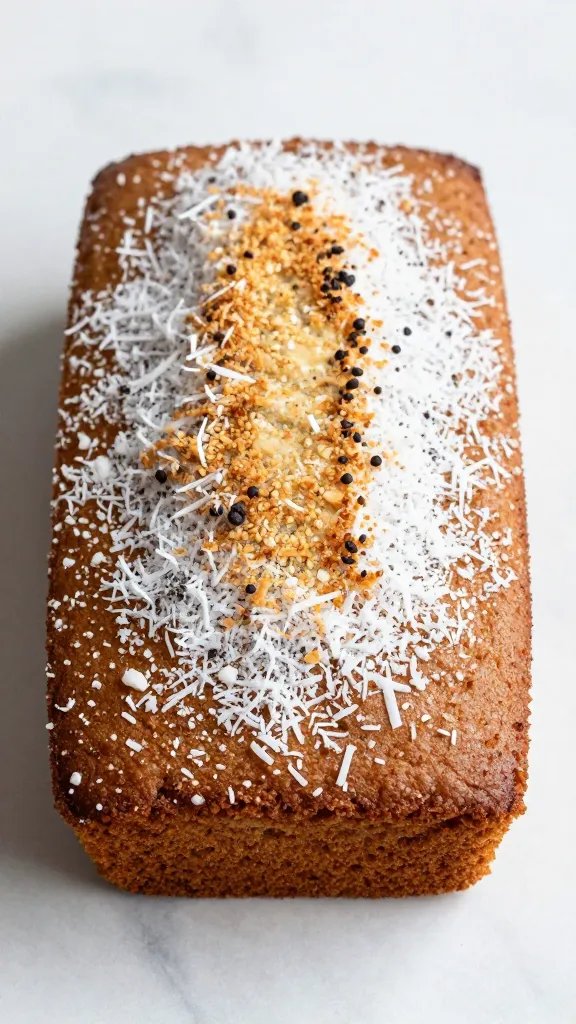
For garnish (optional): 1/2 cup toasted coconut flakes. They add crunch and a little drama.
Step-by-Step: The Method That Never Fails
1) Prep the pan and oven
- Preheat to 325°F (165°C). Lower temp = even bake, tender crumb.
- Grease and flour a 9×5-inch loaf pan or a 10-cup bundt pan. Line the bottom with parchment if you’re not into risks.
2) Cream like you mean it
- Beat butter and sugar together on medium-high for 3–4 minutes until fluffy and pale. Don’t rush this—air = lift.
- Add eggs one at a time, beating well after each. Scrape the bowl like a pro.
- Mix in vanilla and coconut extract.
3) Dry meets wet
- Whisk flour, baking powder, and salt.
- Add the dry mix to the batter in three parts, alternating with coconut milk. Start and end with dry. Mix on low until just combined.
- Fold in shredded coconut by hand. Don’t deflate all that nice creaming you just did.
4) Bake and chill (literally)
- Spread batter evenly. Tap the pan once to release big air bubbles.
- Bake 60–75 minutes for a loaf, 55–70 for a bundt. A skewer should come out with a few moist crumbs.
- Cool in the pan 15 minutes, then transfer to a rack. Let it cool fully before glazing, or the glaze will slide off like it’s late for a meeting.
Texture Secrets You’ll Actually Use
Room temperature matters
Butter, eggs, and coconut milk should feel cool but not cold. This helps everything emulsify so the crumb turns out tight but tender, not sad and greasy.
Don’t overmix
As soon as the flour disappears, stop. Overmixing develops gluten, which equals chew—not the vibe here.
Mind the oven
Pound cake burns fast at the edges if your oven runs hot. If the top browns too quickly, tent loosely with foil for the last 15–20 minutes.
Flavor Upgrades (Because We Can)
Want to go beyond classic? Use one of these twists:
- Lime zest love: Add the zest of 1–2 limes to the sugar before creaming. Citrus oils + coconut = magic.
- Almond vibe: Swap 1/2 teaspoon almond extract for half the vanilla. Nutty, bakery-level aroma.
- Brown butter: Brown the butter, cool it to room temp, and proceed. Adds toffee notes. IMO, worth the extra pan.
- Pineapple flip: Fold in 1/2 cup well-drained crushed pineapple. Reduce coconut milk to 1/3 cup to balance moisture.
- Chocolate cameo: Toss 3/4 cup mini chocolate chips with a teaspoon of flour and fold in at the end. Coconut + chocolate? Say less.
Glaze, Soak, or Both?
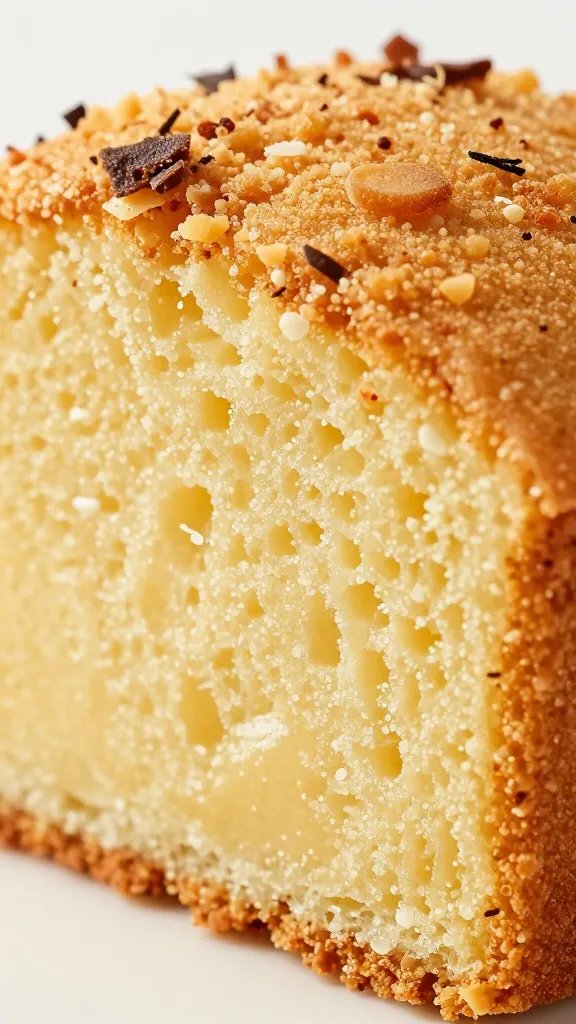
You’ve got options for the finish. Choose your level of extra.
Simple coconut glaze
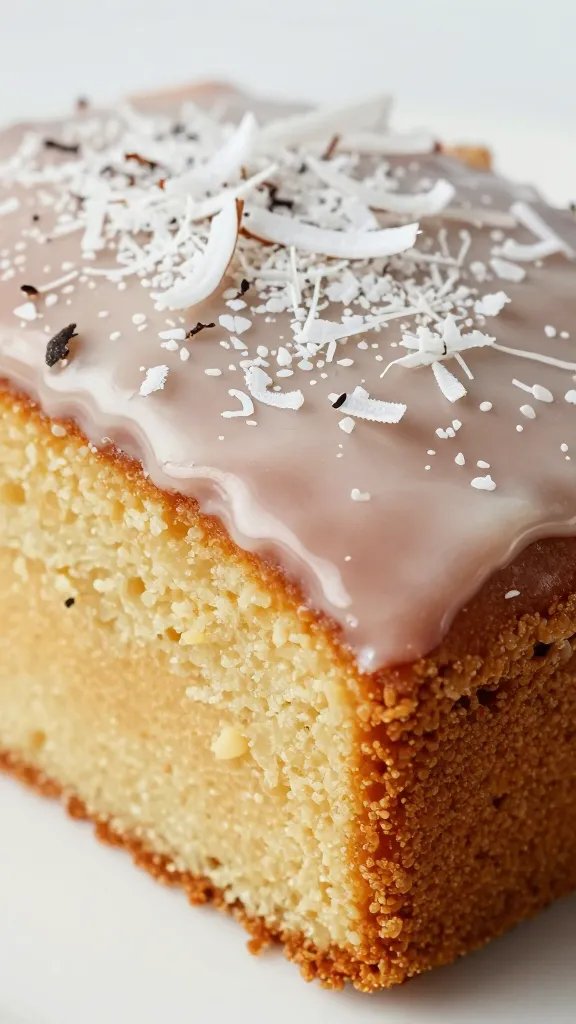
Whisk powdered sugar, coconut milk, extract, and a pinch of salt until pourable. Drizzle over cooled cake. Top with toasted coconut flakes for crunch and drama.
Coconut syrup soak
Warm 1/4 cup coconut milk with 2 tablespoons sugar and a pinch of salt until dissolved. Poke the warm cake with a skewer and brush the syrup over. You’ll lock in moisture and boost flavor. Add the glaze after it cools if you want the full red-carpet treatment.
Serving, Storing, and Make-Ahead Tips
Serving: Slice with a serrated knife to keep the crumb neat. Great plain, but also amazing with berries and whipped cream. Or a scoop of mango sorbet if you feel fancy.
Storing:
- Room temp: Wrap tightly; keeps 3–4 days and stays moist.
- Fridge: Not necessary, but fine if your kitchen runs hot. Bring to room temp before serving.
- Freezer: Wrap slices in plastic + foil; freeze up to 2 months. Thaw at room temp.
Make-ahead: Bake the day before. Glaze right before serving for the prettiest finish.
Troubleshooting Like a Pro
- Dense and greasy? Butter too cold or overmixed batter. Next time, cream longer and mix gently after adding flour.
- Collapsed center? Underbaked or too much leavening. Stick to 1 teaspoon baking powder and test doneness in multiple spots.
- Dry edges, pale center? Oven runs hot. Bake at 325°F and tent with foil if browning too fast.
- Weirdly bland? Use coconut extract and a pinch more salt. Also, toast your garnish coconut for deeper flavor.
FAQ
Can I use sweetened shredded coconut instead?
Yes, but reduce the sugar by about 2–3 tablespoons. Sweetened coconut adds extra moisture too, so don’t add more liquid. The cake will taste slightly sweeter and chewier—still great.
What if I don’t have coconut milk?
Use whole milk or half-and-half. You’ll lose a bit of coconut oomph, so keep the coconut extract. The texture stays lovely either way, IMO.
Do I need a stand mixer?
Nope. A hand mixer works fine. If you go fully analog with a whisk, you’ll build biceps and still get cake—just cream the butter and sugar thoroughly for that fluff.
How do I toast coconut without burning it?
Spread flakes on a sheet pan and bake at 325°F for 5–8 minutes, stirring halfway. Or toast in a dry skillet over medium heat, stirring constantly. Pull it early; it keeps browning off-heat.
Can I make this gluten-free?
Use a 1:1 gluten-free baking blend with xanthan gum. The crumb turns out a tad more delicate, but still moist. Let the batter rest 10 minutes before baking to hydrate the starches.
Why did my glaze soak in and disappear?
The cake was still warm (totally fine) or your glaze ran thin. If you want that glossy finish, chill the cake slightly and thicken the glaze with more powdered sugar. Then drizzle again. Double-win.
Conclusion
Coconut pound cake keeps things simple and wildly satisfying: buttery base, coconut-forward flavor, and a plush crumb that stays soft for days. Bake it once, and you’ll keep it in your back pocket for brunch, potlucks, or “I deserve cake” moments. Go classic with a coconut glaze, or add lime zest and toasted flakes for extra flair—either way, you just leveled up dessert, FYI.