Avocado Plant Care Tips: Light, Water, and Soil Requirements
Avocado plants have a way of making you feel like a plant whisperer and a chaos goblin at the same time. One day they look lush and smug; the next they drop leaves just to test your commitment. But when that glossy green canopy fills out?
Chef’s kiss. Whether you want homegrown guac dreams or just a chic living room tree, you can absolutely grow an avocado plant—no greenhouse, no PhD, just a little patience and a sunny spot.
Why Grow an Avocado Plant Anyway?
You want a plant with presence? Avocados deliver.
Those big, leathery leaves scream tropical vibes without you needing a passport. Plus, they grow from a pit you’d normally toss. Zero-waste bragging rights, unlocked.
And yeah, fruit would be amazing. But even if your plant never bears a single avocado, you still get a beautiful, sculptural houseplant. FYI: fruiting takes time, space, and sometimes a buddy tree.
More on that soon.
Starting From a Pit: The Classic Kitchen Experiment
You’ve got two main approaches to sprouting that seed, both totally doable. Choose what suits your patience level.
The Toothpick-and-Glass Method
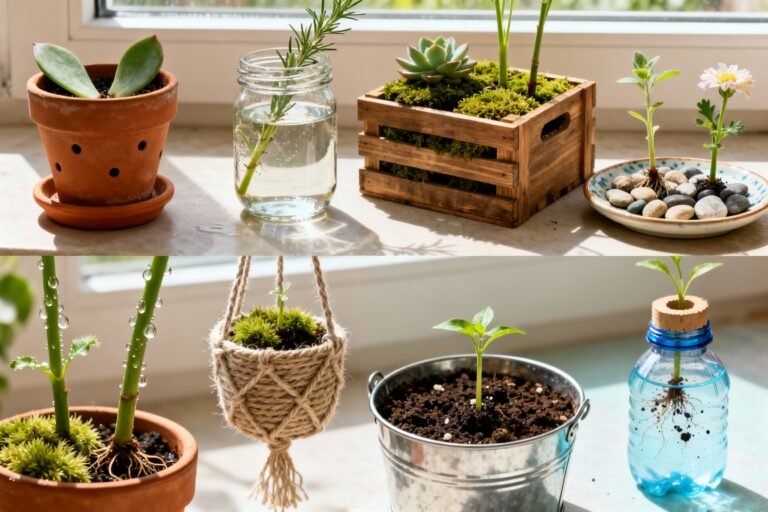
– Wash the seed and peel off the thin brown skin if it’s flaking (optional, but it speeds things up). – Identify the top (pointy) and bottom (flat). The bottom goes in water. – Stick 3 toothpicks around the middle and suspend the seed over a glass with water just touching the bottom. – Place it somewhere warm and bright, then change water weekly. What happens next: In 2–8 weeks, the seed cracks, a root shoots downward, and a stem rises.
Once the root looks robust and the stem reaches 6–8 inches, you’re ready for soil.
The Soil-First Method (IMO, easier)
– Pot in a small container with drainage and a well-draining mix. – Plant the bottom half of the seed below the soil line. – Water lightly and keep warm and bright. – Wait—same timeline as the water method, but with fewer spills and way less “Why is this moldy?” drama. Hot tip: Snip the first stem back to about 3–4 inches once it hits 6–8 inches tall. This encourages branching instead of a lanky sapling doing a sad pole-dance toward your window.
Light, Water, and Soil: The Big Three
If you nail these, your avocado will thrive. Mess them up, and your plant will throw attitude via crispy leaves and mysterious sulking.
Light
– Give it bright, indirect light indoors.
A few hours of gentle morning sun? Perfect. – Harsh afternoon sun can scorch leaves, especially on young plants. – Outdoors, go for bright shade or dappled light—then acclimate slowly to full sun if that’s your long-term goal.
Water
– Keep soil evenly moist, not soggy. Let the top inch dry before watering again. – Avocados hate wet feet—root rot ends the party fast. – Use a pot with drainage holes.
Always.
Soil
– Use a well-draining mix: potting soil + perlite + a bit of compost. – Slightly acidic to neutral pH works great (6.0–7.0). – Refresh the top couple inches of soil every spring if you don’t repot.
Pruning and Training: From Stick to Statement Tree
Want that lush, branching look? You’ll have to play barber. – Pinch tips when stems get leggy. This tells the plant to branch out. – Remove weak or crossing stems.
Keep airflow open. – Stake young plants so they grow straight. They don’t mind a little guidance—who does?
Height Control and Shape
– Indoors, keep it 3–6 feet by pruning regularly. – Trim during active growth (spring/summer) so it rebounds quickly. – Don’t fear cutting back hard; avocados handle it like champs.
Feeding and Repotting: Fuel the Glow-Up
Your avocado isn’t picky, but it won’t say no to a good meal. – Feed monthly during spring and summer with a balanced liquid fertilizer, diluted to half strength. – Skip fertilizer in winter—your plant naps. – Repot every 1–2 years, upgrading just one pot size. Big jumps lead to soggy soil and drama. Leaf tip burn? That often means fertilizer salts or low humidity.
Flush the soil with water and ease up on the food. Mist occasionally or use a pebble tray if your air runs dry.
Will It Ever Fruit? Let’s Set Expectations
Here’s the part everyone asks about.
Can your pit-grown plant fruit? Yes. Will it?
Maybe. Eventually. – Seed-grown trees take 5–10+ years to fruit, if at all. – They need strong light, warmth, and often outdoor conditions to flower. – Many varieties need cross-pollination between Type A and Type B trees for consistent yields.
Grafted Trees: The Shortcut
– Buy a grafted avocado tree from a nursery if fruit is your goal. – These bloom earlier (2–4 years), stay compact, and you get a known variety. – Popular types: ‘Hass’ (Type A), ‘Fuerte’ (Type B), ‘Reed’ (Type A), ‘Bacon’ (Type B). FYI: Indoor fruiting is rare.
If you live in USDA Zones 9–11, plant outdoors in the ground or a big container and give it sun, space, and frost protection.
Pests, Problems, and How to Chill About Them
Even tough plants have issues. The good news? You can fix most avocado tantrums fast.
Common Pests
– Spider mites: Dusty leaves and tiny webs.
Wipe leaves, shower the plant, and use neem oil or insecticidal soap. – Scale: Bumps on stems. Remove with a cotton swab + alcohol, then treat. – Thrips: Silvery scarring. Trim affected leaves and treat as above.
Leaf Drama
– Brown tips: Low humidity or fertilizer salts.
Increase humidity and flush soil. – Yellow leaves: Overwatering. Let it dry out more, check drainage. – Sudden leaf drop: Temperature shock or big environment changes. Give it time and stable conditions.
IMO, the most common mistake is overwatering. The second most common? Not enough light.
Fix those two and you avoid 80% of problems.
Avocado Outdoors: Big Tree Energy
If your climate allows, go big. – Choose a sunny, wind-protected spot with excellent drainage. – Plant on a mound if your soil holds water—roots need air. – Mulch generously but keep it off the trunk. – Water deeply, less often, to encourage deep roots. – Protect from frost, especially for young trees. A light freeze can toast leaves in one night.
Companions and Care
– Pair Type A and Type B trees for better fruit set. – Keep weeds away from the root zone. – Prune after harvest or in spring to shape and manage size.
FAQ
Can I grow an avocado plant from any grocery store avocado?
Yes. You can sprout almost any pit.
But the plant may not grow true to the fruit you bought, and it might never fruit at all. If you want reliable harvests, buy a grafted tree from a nursery.
How long before I see a sprout from the pit?
Anywhere from 2 to 8 weeks, sometimes longer. Warmth speeds it up.
If nothing happens after 10–12 weeks, start a new seed and don’t take it personally—some pits just vibe differently.
Why are my avocado leaves turning brown at the tips?
Usually low humidity or salt buildup from fertilizer. Increase humidity, flush the soil thoroughly, and hold off on feeding for a few weeks. Also check that you’re not letting the plant dry to a crisp between waterings.
Do I need two trees for fruit?
Not always, but it helps.
Avocados have Type A and Type B flowering patterns. Having one of each boosts pollination and yield. Some single trees fruit solo, but two improves your odds.
Can I keep an avocado plant small indoors?
Definitely.
Prune regularly, give it bright light, and use a modest-sized pot. You’ll get a compact, bushy plant that looks like a mini tree with major personality.
Is the avocado plant toxic to pets?
Leaves, bark, and seeds contain persin, which can upset pets. Keep curious chewers away.
The fruit flesh is safer, but the plant parts are a no-go. When in doubt, ask your vet.
Conclusion
Growing an avocado plant gives you tropical flair, science-class nostalgia, and a legit conversation starter. Start a pit in water for the spectacle or plant it straight in soil for fewer headaches—either works.
Give it bright light, don’t drown it, and prune with confidence. If fruit happens, fantastic. If not, you still get a gorgeous houseplant with glossy leaves and main-character energy.
IMO, that’s a win either way.