How to Design a Backyard Garden: Plants, Layouts, and Tips
You step outside with coffee in hand, and boom—your backyard whispers, “Let’s grow something.” Not an acre of corn, just a few herbs, some tomatoes, maybe a tiny citrus tree that makes you feel like a Mediterranean farmer. You don’t need a green thumb or a tractor. You need sunlight, a plan, and the willingness to get a little dirt under your nails.
Start Small, Win Big
You don’t need to turn your yard into a farm overnight.
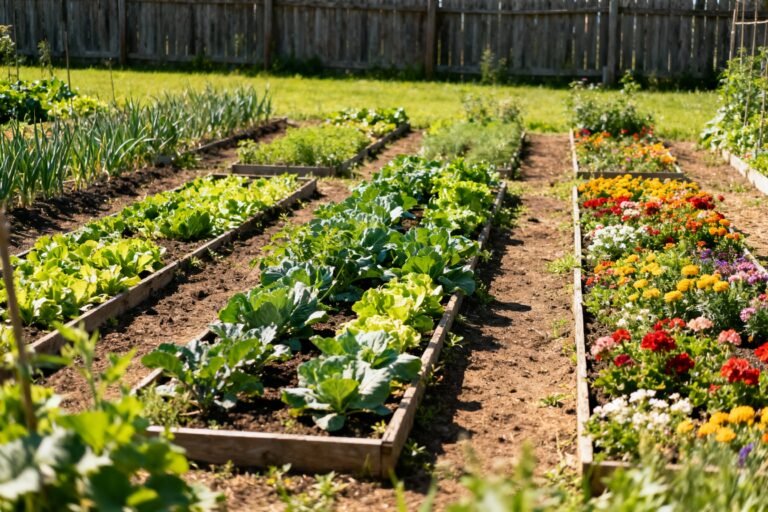
Start with a few containers or a 4×4 raised bed. Get wins early. Nothing boosts confidence like picking your first cherry tomato and realizing it tastes like summer had a baby with sunshine. Pick 3-5 plants you actually eat.
If basil, tomatoes, peppers, greens, and strawberries make your grocery list often, grow those. Keep it simple the first season and scale up once you know your space.
Container vs. Ground vs.
Raised Beds
– Containers: Great for renters or patios. Control soil quality easily. Just water more often. – Ground: Cheapest option, but soil might need work and weeds will join the party uninvited. – Raised beds: Best of both worlds.
Great drainage, fewer weeds, looks neat. Your knees will thank you.
Sunlight: The Real Boss
Most veggies demand 6-8 hours of direct sun. Herbs and leafy greens forgive a little shade.
Watch your yard for a day and note where the sunlight hits longest. No guesswork. Just observation.
If you’ve got shade, don’t panic. Grow greens (lettuce, spinach, arugula), mint, parsley, chives, and even some root crops like radishes. Match your plant to your light and you’ll avoid heartbreak.
Microclimates Are Sneaky
– South-facing walls reflect heat and help peppers and tomatoes thrive. – Low spots collect cold air—avoid planting tender babies there. – Decks and fences block wind, which some plants love and others hate. FYI: tomatoes like heat but also good airflow.
Soil: Where the Magic Happens
Healthy soil grows healthy plants.
You can’t cheat this. Your garden is a soil ecosystem, not just dirt. Feed it, and it feeds you. Ideal mix for raised beds and containers: – 40% high-quality compost (diversify: mushroom, cow, or homemade) – 40% topsoil or a raised bed mix – 20% aeration (perlite, coarse sand, or pine bark fines) Add a handful of slow-release organic fertilizer at planting.
Think of it like a buffet, not a sugar rush.
Compost: Black Gold Without the Drama
You can compost with minimal fuss: – Greens: fruit/veggie scraps, coffee grounds – Browns: dried leaves, shredded paper, cardboard – Keep it moist like a wrung-out sponge – Turn it occasionally (or don’t; it’ll still break down, just slower) IMO, even a small bin turns yard waste into soil superfood. Nature does the work; you take the credit.
Planting With a Plan
Plant what grows well in your climate and season. Sounds obvious, but we all try to grow something ridiculous once. (Looking at you, watermelon-in-a-4-foot-bed.) Simple beginner layout for a 4×4 bed: – Front edge: basil, chives, marigolds (pollinators + pest deterrents) – Middle: 2 cherry tomatoes with cages, spaced 18-24 inches apart – Sides: peppers or bush beans – In gaps: lettuce or radishes for quick harvests
Timing Matters
– Cool-season crops (greens, peas, radishes): spring and fall – Warm-season crops (tomatoes, cucumbers, peppers): after last frost – Succession sow: plant small batches every 2-3 weeks for continuous harvests Check your frost dates once and write them on your calendar.
Future you will be grateful.
Watering Without the Drama
Overwatering kills more plants than neglect. Plants like deep, infrequent watering. Shallow sips create needy roots. Watering basics: – Early morning beats evening (less mildew and evaporation) – Water at the base, not the leaves – Aim for 1 inch per week in the ground; containers may need daily water in heat Drip irrigation with a simple timer is the secret cheat code.
No more guilt about forgetting to water on hot days.
Mulch: Your Garden’s Security Blanket
Mulch keeps soil moist, suppresses weeds, and stabilizes temperature. – Use shredded leaves, straw (not hay), or bark chips – Spread 2-3 inches around plants – Keep mulch off stems to prevent rot
Pests, Problems, and Chill Solutions
You will get pests. It’s fine. Don’t reach for nuclear spray.
Think balance. Grow a garden that invites helpful bugs and repels the rude ones. Easy, non-toxic defenses: – Row covers: physical barrier against cabbage worms and beetles – Neem oil or insecticidal soap: gentle but effective – Hand-pick pests early morning (free workout!) – Companion planting: marigolds, nasturtiums, dill, and alyssum can help Invite pollinators with flowers. Your tomatoes will set fruit better, and your garden will look like a tiny paradise.
FYI: Most problems fade when you improve soil health and water correctly.
Common “Why is this happening?” moments
– Yellow leaves: overwatering or lack of nitrogen – Blossom end rot on tomatoes: inconsistent watering or low calcium – No fruit on squash: poor pollination—plant more flowers or hand-pollinate with a small brush
Harvesting and Keeping It Coming
Harvest early and often. Plants produce more when you pick regularly. Letting a zucchini get giant is basically telling the plant, “We’re done here.” Quick harvest tips: – Herbs: pinch from the top to promote bushy growth – Greens: cut outer leaves; leave the center to keep growing – Beans: pick every 2-3 days or they slow production – Tomatoes: harvest when fully colored and slightly soft
Easy Preservation Wins
– Freeze herbs in olive oil in ice cube trays – Quick-pickle cucumbers, onions, or radishes – Roast and freeze tomatoes for sauces later – Dehydrate peppers for chili flakes that blow store-bought out of the water
Design a Backyard That Feeds You and Feels Good
Your garden should vibe with your life.
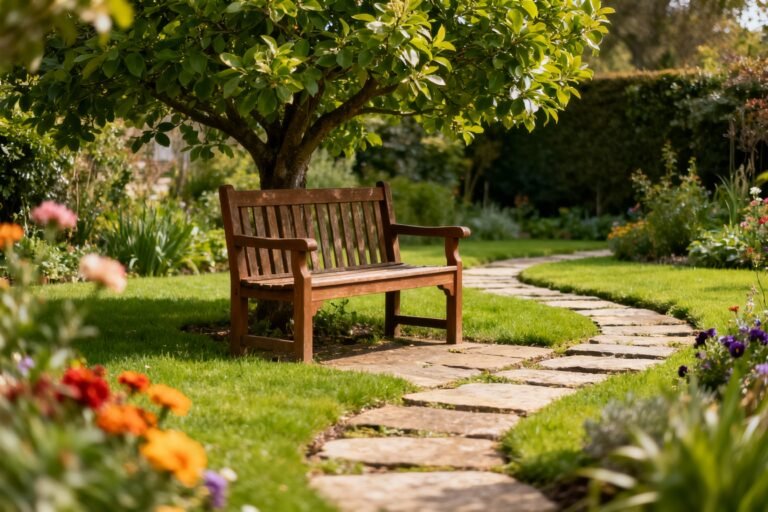
Make it inviting so you actually spend time in it. Stick a chair next to the bed. Add solar lights.
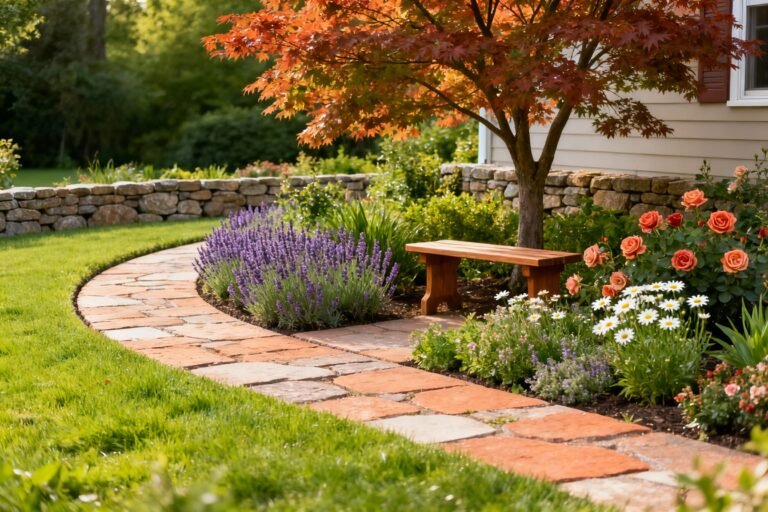
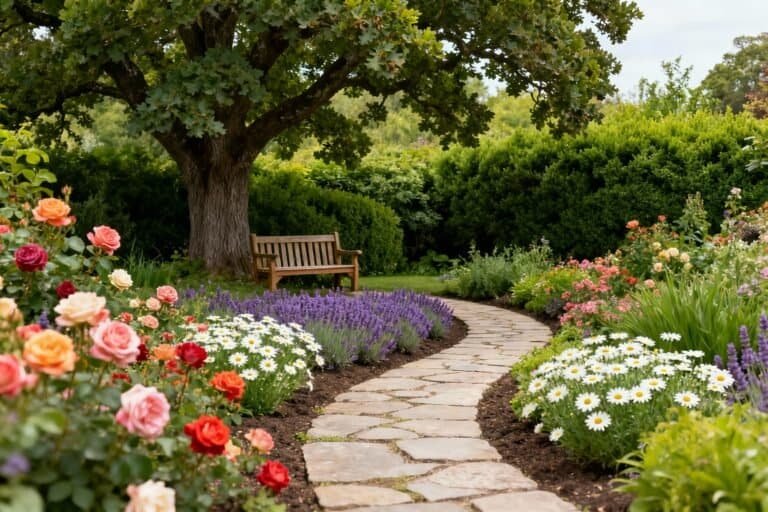
Sip something cold and admire your empire of leaves. Simple design ideas: – Mix edibles with ornamentals: purple basil, rainbow chard, and marigolds look fancy – Vertical gardening: trellis cucumbers, peas, or pole beans to save space – Pathways: mulch or stepping stones keep mud off your shoes and plants off your feet – Water source nearby: hose + nozzle = fewer excuses IMO, beauty matters. A pretty garden gets more attention, and attention grows better plants.
FAQ
How much time do I need to maintain a backyard garden?
Plan for 2-3 hours per week for a small garden. That includes watering, weeding, and harvesting.
Peak season might bump it to 4-5 hours, but you’ll be eating snacks off the vine, so it hardly counts as work.
What’s the easiest thing to grow for beginners?
Start with basil, mint (in a pot, or it will take over your life), cherry tomatoes, lettuce, and radishes. These grow fast, forgive mistakes, and reward you quickly. Success builds momentum.
Do I need fertilizer if I use compost?
Compost improves soil structure and adds nutrients slowly, but heavy feeders like tomatoes still appreciate a balanced organic fertilizer.
Use a slow-release at planting and a liquid feed mid-season. Your plants won’t ghost you in August.
How do I deal with limited space?
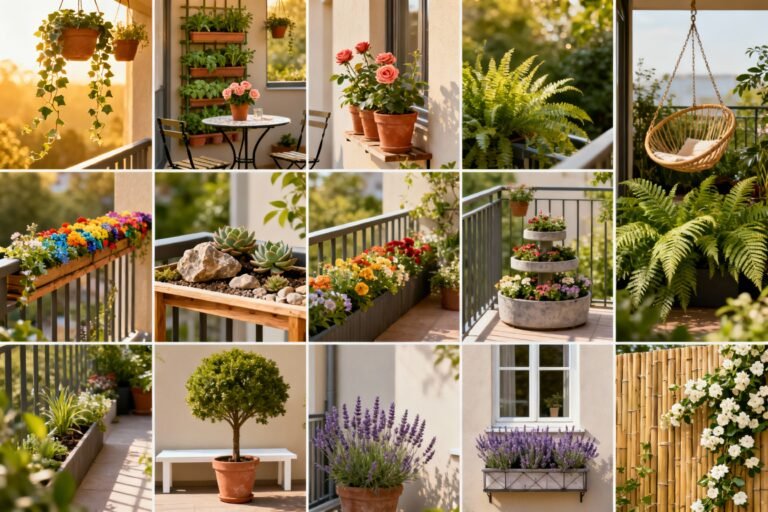
Go vertical and choose compact varieties. Use wall planters, tiered shelves, and trellises.
Dwarf tomatoes, bush cucumbers, and patio peppers were basically invented for small yards and balconies.
Why do my plants keep dying after a few weeks?
Common culprits: overwatering, too little sun, or poor soil. Double-check sunlight hours, switch to deep watering, and amend with compost. Also, don’t skip mulch—it stabilizes everything.
Can I grow year-round?
In many climates, yes—with season extension.
Use cold frames, row covers, and frost cloth to grow greens through cooler months. In hot climates, summer becomes your “winter” break and fall/winter is garden prime time.
Conclusion
Backyard gardening isn’t about perfection. It’s about stepping outside, growing food you love, and learning by doing.
Start small, give your plants sun, good soil, and steady water, and they’ll handle the rest. Before long, you’ll hand people tomatoes and say, “Here, try this,” like a proud backyard wizard. IMO, that’s the good life.