Beautiful Bouquet of Flowers: Ideas for Weddings, Gifts, and Decor
What is it about a beautiful bouquet of flowers that makes your brain squeal, “Yes, I’ll take ten”? Maybe it’s the color hit. Maybe it’s the scent that smacks you with nostalgia.
Or maybe it’s the way flowers quietly flex—no noise, just beauty—on your dining table. Either way, you’re here because bouquets aren’t just pretty; they’re mood-lifting magic.
Why Bouquets Hit Different
Flowers don’t just decorate a room—they shift the vibe. The right bouquet tells a story: romance, celebration, “I’m sorry I forgot our anniversary,” or simply “I saw these and thought of your face.” That’s power.
And no, you don’t need a florist certification to wield it. When you place a bouquet, your space instantly feels more intentional. Color, texture, and scent work together to trick your brain into feeling calm or energized. Honestly, it’s cheaper than therapy and prettier than a scented candle.
Color Palettes That Actually Work
Don’t overthink it.
Pick a vibe, then pick your palette.
- Monochrome drama: All one color (all whites, all pinks). Clean. Chic.
Zero chaos.
- Analogous harmony: Colors next to each other on the wheel—peach, coral, and orange. Soft and romantic.
- Bold contrast: Complementary colors—purple with yellow, blue with orange. Loud, fun, and impossible to ignore.
- Neutral with a pop: Whites and greens with one hero bloom (a single hot pink peony, for example).
Minimalist, but make it spicy.
Pro tip for balance
Use a 60-30-10 rule: 60% base color, 30% secondary, 10% accent. Your bouquet instantly looks “designed,” IMO.
Shape and Structure: Not All Bouquets Want to Behave
The shape sets the tone before the flowers even take a bow.
- Round and tight: Think peonies, roses, ranunculus. Great for gifting or centerpieces.
Polished and classic.
- Loose and airy: Garden-style with lots of negative space. Use cosmos, sweet pea, delphinium. Effortless and artsy (read: Instagram bait).
- Asymmetric and modern: Strong lines, unexpected angles.
Branches, grasses, orchids. Very “I know design.”
- Wild meadow: Mixed heights and textures—daisies, asters, grasses. Casual, cheerful, slightly feral (in a hot way).
The 3-5-8 guideline
Odd numbers create balance.
Group stems in 3s and 5s. Mix bloom sizes: focal (big boys), secondary (medium), and filler (greens or tiny flowers). Your bouquet stops looking like a random handful and starts looking intentional.
Choosing Flowers That Play Nice Together
Here’s how to build a bouquet that won’t flop—or rot—by tomorrow.
- Focal flowers: Peonies, garden roses, dahlias, sunflowers.
These do the heavy lifting.
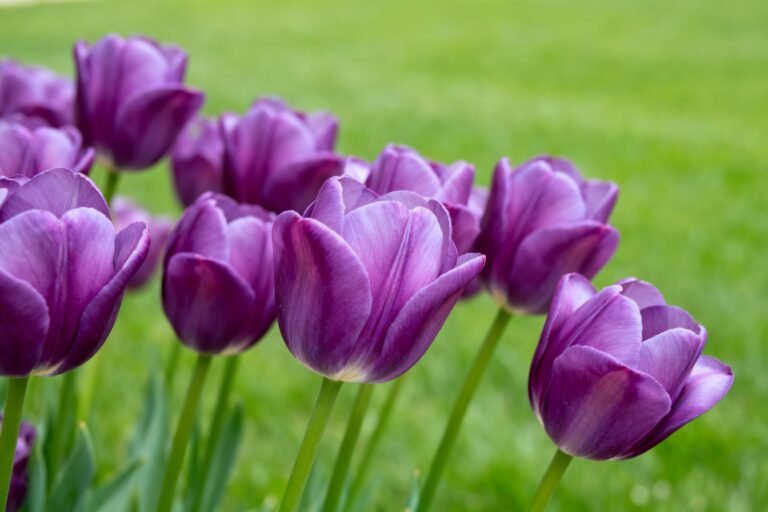
- Support squad: Spray roses, lisianthus, tulips. They bridge color and shape.
- Fillers and texture: Waxflower, statice, astilbe, veronica. The jewelry of the bouquet.
- Greens for depth: Eucalyptus, ruscus, salal, fern.
Never skip green. It’s the contrast your eyes crave.
Seasonal picks (because freshness matters)
Spring: Tulips, ranunculus, anemones Summer: Dahlias, zinnias, cosmos Fall: Chrysanthemums, marigolds, amaranthus Winter: Hellebores, paperwhites, ilex berries FYI: Seasonal flowers last longer and look happier. Out-of-season peonies are like jet-lagged celebrities—expensive and tired.
Quick Assembly: From “Uh, help?” to “I made that.”
You don’t need floral foam or wizardry.
Just follow this simple flow.
- Prep your stems: Strip leaves below the waterline. Cut stems at a 45° angle. Always.
- Start with greens: Create a loose base in your hand or vase.
It’s your bouquet’s skeleton.
- Add focal flowers: Place them at different heights. Think triangle, not straight line.
- Layer in secondary blooms: Fill gaps and bridge colors. Rotate the bouquet as you go.
- Finish with fillers: Tuck the small stuff around edges and near focal blooms for softness.
- Tie and trim: If hand-tied, secure with string or floral tape, then cut stems evenly.
Vase pairing 101
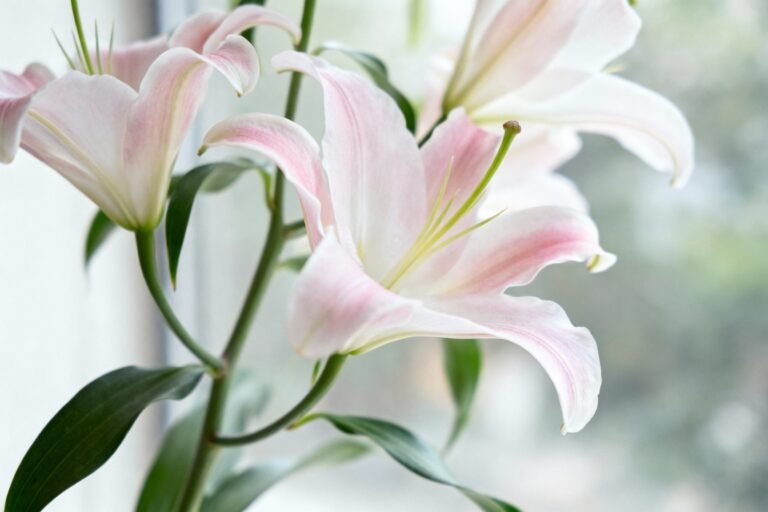
– Short and wide: Perfect for round, compact bouquets. – Tall cylinder: Great for long stems like lilies or delphinium. – Bud vases: Use multiples for single stems and scatter them for a “curated” moment.
IMO, the vase can make or break your bouquet. Choose one that supports the shape, not fights it.
Scent: The Invisible Flex
Color gets attention, but scent seals the deal. Fragrant heroes: garden roses, sweet peas, lilacs, stock, freesia. Keep them close to spaces where you chill—bedside table, reading corner, bathroom (trust me).
If you’re scent-sensitive, choose unscented stars like ranunculus, anemones, and dahlias. They look stunning without ambushing your sinuses.
Mixing scents without chaos
Stick to one dominant fragrance and one whisper. For example, lilac as the star and freesia as a backup.
Anything else, and your nose files a complaint.
Make Them Last: Care Tips That Actually Work
You paid good money (or time), so let’s stretch those blooms.
- Use clean tools and a clean vase. Bacteria is the bouquet villain.
- Change water every 1-2 days. Add flower food or a tiny pinch of sugar and a drop of bleach.
- Re-cut stems frequently. A quick snip revives hydration.
- Keep them cool. No direct sun, no heat vents, no fruit bowl (ethylene gas = speedy death).
- Remove spent blooms. One bad flower spoils the bunch. Literally.
Revive a drooper
Got a wilty hydrangea or ranunculus? Submerge stems and heads in cool water for 20–30 minutes.
Then recut and return to the vase. Magic.
Personality-Driven Bouquet Ideas
Let’s match flowers to the mood you’re targeting.
- Romantic without cheese: Blush garden roses, white ranunculus, waxflower, silver dollar eucalyptus.
- Cheerful AF: Sunflowers, zinnias, marigolds, chamomile. Add craspedia for a pop.
- Modern minimal: Three stems of white orchids in a glass cylinder.
Brutally chic.
- Wild cottagecore: Daisies, sweet pea, cosmos, grasses. Loose, airy, dreamy.
- Moody and dramatic: Burgundy dahlias, plum calla lilies, scabiosa, dark foliage. Candlelight required.
FAQs
How many stems do I need for a full bouquet?
For a hand-tied medium bouquet, aim for 20–25 stems: 5–7 focal, 8–10 secondary, 5–8 filler/greens.
For a lush, “wow” arrangement, bump it to 30–35 with extra foliage for volume.
What flowers last the longest in a bouquet?
Chrysanthemums, alstroemeria, carnations, statice, and eucalyptus go the distance, often 7–14 days with proper care. Add a few divas (like peonies) for drama, but let the long-haulers carry the arrangement.
Can I mix grocery store flowers with garden cuts?
Absolutely. Combine grocery store staples (spray roses, mums, alstroemeria) with garden goodies (herbs, cosmos, roses).
Just condition everything well and keep garden stems extra clean to reduce bacteria.
What if I’m allergic to pollen?
Choose low-pollen or pollen-free varieties: hydrangea, roses (remove guard petals), orchids, ranunculus, lisianthus. For lilies, snip the anthers before they shed. Your nose will thank you.
How do I pick the right bouquet for gifting?
Match the person and the moment.
For birthdays, go bright and joyful. For sympathy, choose calm whites and greens. For romance, soft pinks and reds with a hint of fragrance.
When in doubt, keep it simple and elegant—you can’t go wrong.
Is floral foam worth it?
For most home arrangements, nope. It’s messy, not eco-friendly, and unnecessary. Use a chicken wire ball, a flower frog, or the trusty “grid with clear tape” trick on your vase.
Conclusion
A beautiful bouquet doesn’t need fancy tricks—just good color choices, balanced shapes, and fresh stems that play well together.
Build from greens, layer focal blooms, and finish with texture. Keep the water clean, give them a trim, and they’ll love you back all week. And if anyone asks, yes—you totally meant for it to look that effortlessly gorgeous, FYI.