Beautiful Roses: Stunning Varieties to Brighten Your Garden
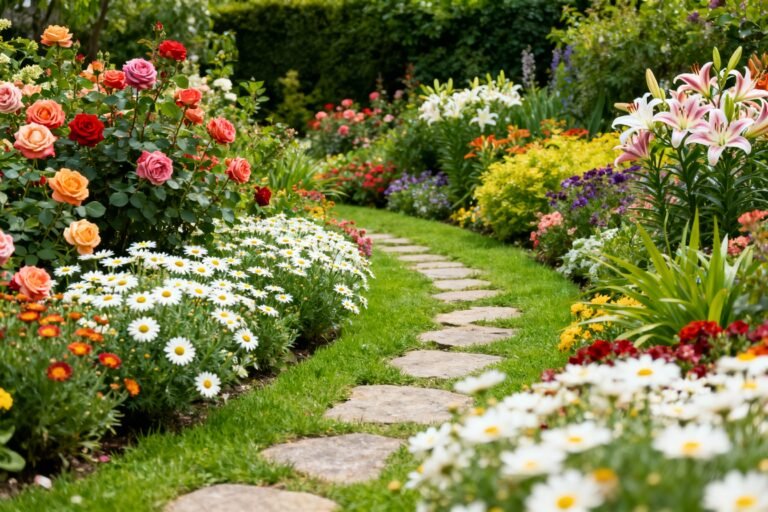
Roses don’t whisper; they shout. A single bloom turns a basic yard into a mini romance novel. They climb, they sprawl, they perfume the air like a fancy candle someone actually lit.
If you think roses equal high-maintenance drama, give me five minutes. I’ll convince you they’re gloriously worth it—and not nearly as fussy as their reputation suggests.
Why Roses Still Make Us Swoon
Roses hit the senses from every angle. Color that pops, fragrance that lingers, petals that look like silk.
You get instant “wow” for relatively little space. They also carry stories. Roses symbolize love, friendship, gratitude, and even defiance—hi there, War of the Roses. And unlike short-lived trends, roses never go out of style.
They’re the little black dress of the garden.
Picking the Right Rose (No, They’re Not All the Same)
Roses come in a buffet of types. Your yard, balcony, or sunny windowsill can handle at least one of them.
Popular Types You’ll Actually Use
- Hybrid Teas: Classic long-stemmed roses. Think florist-shop elegance.
Great for cutting, a bit higher maintenance.
- Floribundas: Clusters of blooms. Constant color, less drama. Your low-stress color machine.
- Grandifloras: A hybrid tea/floribunda mashup.
Taller plants with clusters of big flowers. Statement makers.
- Climbers: Long canes that drape over trellises, arches, and fences. Instant romance.
They don’t “cling”—you’ll guide them.
- Shrub/English Roses: Bushy, fragrant, old-timey charm with modern toughness. IMO, the best for beginners.
- Miniatures/Patio Roses: Small size, big personality. Perfect for containers and tiny spaces.
Match the Rose to Your Life
Ask yourself:
- Do you want cut flowers or a showy shrub?
- Do you want fragrance or pure color overdose?
- How much sun do you get? Roses crave 6+ hours of direct sunlight.
- Do you water regularly or rely on good intentions?
Be honest.
Planting for Success (So Your Rose Doesn’t Hate You)
Roses look fancy, but their needs feel basic. Give them sun, good soil, and air, and they’ll reward you with drama.
Soil and Site
- Sun: Aim for 6–8 hours. Morning sun dries dew and reduces disease.
- Drainage: Roses love moisture but despise wet feet.
Improve clay with compost. Raise beds if needed.
- Airflow: Space plants so leaves can dry quickly. Crowded roses sulk.
Planting Steps (Simple and Quick)
- Dig a hole twice as wide as the root ball and just as deep.
- Mix compost into the backfill.
Add a slow-release organic fertilizer if you like.
- Set the plant so the graft (that knobby bit) sits just above soil in warm climates and slightly below in cold ones.
- Backfill, firm gently, and water deeply.
- Mulch 2–3 inches to keep roots cool and moisture steady.
Care That Doesn’t Take Over Your Life
You can micromanage roses, but you don’t have to. A simple routine keeps them happy.
Watering, Feeding, Mulching
- Water: Deeply once or twice a week. Drip irrigation beats overhead sprinklers.
- Feed: Start in spring when new growth appears.
Use balanced rose food every 4–6 weeks until midsummer.
- Mulch: Keeps moisture in and weeds out. Refresh yearly.
Pruning Without Fear
Pruning freaks people out. Don’t let it.
- When: Late winter to early spring, right before vigorous growth.
- How: Remove dead, damaged, or crossing stems.
Open the center for airflow.
- Shape: Cut above outward-facing buds. Keep it tidy, not bald.
- Deadhead: Snip spent blooms to encourage more flowers (unless you want hips).
Fragrance: The Invisible Showstopper
Not all roses smell. But when they do?
Wow. You get notes of citrus, spice, tea, or even fruit.
Highly Fragrant Favorites
- Damask and Bourbon roses: Intense old-rose scent.
- English roses (e.g., ‘Gertrude Jekyll’): Strong, classic perfume.
- Hybrid teas like ‘Mister Lincoln’: Deep, velvety fragrance.
FYI: Heat releases fragrance more than cool weather. Sniff in the afternoon and thank me later.
Color and Design: Paint With Petals
Roses don’t just do red.
They do every shade from blush to neon.
Color Tips That Always Work
- Monochrome beds: All pinks or all whites look chic and calm.
- High-contrast drama: Pair deep reds with silvery foliage like artemisia.
- Soft blends: Peach, apricot, and cream melt together beautifully.
- Ground the show: Add companions like lavender, catmint, salvia, or alliums.
Companion Plants That Help
- Lavender: Smells good, attracts pollinators, discourages pests.
- Catmint (Nepeta): Clouds of blue-purple flowers hide leggy rose stems.
- Marigolds and calendula: Cheerful borders, beneficial-bug magnets.
- Alliums: Tall, sculptural, and surprisingly good rose friends.
Pests, Problems, and Chill Solutions
Roses catch flak for disease. True, some varieties get black spot, mildew, or aphids. But you can handle it without hazmat gear.
Prevention > Panic
- Choose disease-resistant varieties—modern shrubs and many English roses excel here.
- Water at the base in the morning.
Wet leaves overnight invite fungus.
- Clean up fallen leaves. Don’t compost diseased ones.
Common Issues, Fast Fixes
- Aphids: Blast with water, introduce ladybugs, or use insecticidal soap.
- Black spot: Improve airflow, remove infected leaves, and consider a targeted fungicide if needed.
- Powdery mildew: Prune for light and air, water roots only, and treat early.
- Japanese beetles: Handpick into soapy water in the morning. Traps can backfire, FYI.
IMO, good culture beats constant spraying.
Healthy plants shrug off a lot.
Roses for Small Spaces and Cut-Flower Obsessions
No yard? No problem. Roses crush it in containers.
And yes, you can grow your own bouquet material.
Container Tips
- Pick compact varieties: Miniatures, patio roses, or small shrubs.
- Use large pots: 16–20 inches minimum, with drainage holes.
- Soil: High-quality potting mix, not garden soil.
- Water and feed: Containers dry out fast; fertilize lightly but regularly.
Cut-Flower Besties
- Hybrid teas: Long stems, classic form.
- Grandifloras: Sturdy stems with clusters—great for arrangements.
- Fragrant shrubs: They add scent and texture to bouquets.
Cut early in the morning. Use clean shears. Strip lower leaves and place stems in lukewarm water.
Your kitchen will smell like a fancy boutique in minutes.
Seasonal Rhythm: What to Do and When
Keep it simple with a seasonal checklist.
Spring
- Prune, feed, and mulch. Check irrigation.
- Plant new roses while the soil feels cool and workable.
Summer
- Water deeply, deadhead, and watch for pests.
- Lightly feed if plants keep blooming.
Fall
- Stop heavy feeding so plants harden off.
- Let some blooms form hips for winter interest.
Winter
- In cold zones, mound mulch around crowns and protect with burlap if needed.
- Sharpen tools and dream up next year’s color scheme. Priorities.
FAQ
Do roses need full sun all day?
Roses perform best with 6–8 hours of direct sun.
Morning sun matters most because it dries dew and discourages disease. If you only have partial sun, choose lighter-colored varieties and expect fewer blooms, but you’ll still get a show.
Are roses really high-maintenance?
Not anymore. Modern, disease-resistant varieties trimmed with a simple routine feel easy. Water deeply, feed modestly, prune once a year, and you’ve covered 90% of rose care, IMO.
Can I grow roses in pots on a balcony?
Absolutely.
Pick compact varieties, use a large pot with drainage, and water consistently. Add a slow-release fertilizer and a layer of mulch. Protect from harsh wind and scorching reflected heat.
What’s the best time to prune?
Prune in late winter or early spring right before strong growth.
If your lilacs or forsythia bloom, you’re in the ballpark. In warm climates, a light midseason tidy-up keeps things blooming.
How do I get more blooms?
Give them sun, feed lightly during the growing season, and deadhead spent flowers. Keep the plant healthy with mulch and consistent moisture.
Also, choose remontant (repeat-blooming) varieties rather than once-blooming old garden roses if you want nonstop color.
Why don’t my roses smell?
Some varieties focus on color and form over fragrance. Heat boosts scent, so sniff in the afternoon. Next time, look for roses labeled “strong fragrance” and plant them where you pass by daily—pathways, near seating, or by the front door.
Conclusion
Roses bring big-league beauty with surprisingly chill care—if you pick the right type and set them up well.
They reward a little effort with nonstop color, lush petals, and perfume that makes neighbors “casually” linger at your fence. Try one shrub, then try not to collect a dozen more. Spoiler: you’ll fail, and your garden will look incredible.