7 Ways To Use Potting Soil Directly In Your Garden Ground
You’ve got bags of potting soil and a patch of garden that needs love—perfect match, right? Kind of. Potting soil was made for containers, but you can absolutely use it in the ground if you use it smartly.
The trick: treat it like an ingredient, not the whole recipe. Ready to turn those dry beds and stubborn clay into plant heaven? Let’s play soil chef.
Topdress Beds for a Quick Boost
Sprinkle potting soil over your garden beds like Parmesan on pasta.
You add a thin layer—about 1/2 to 1 inch—across the surface, then lightly rake it in. This feeds the top layer, improves moisture retention, and gives seedlings a comfy landing pad. Why it works?
Potting soil has light, fluffy materials like peat or coco coir and perlite, which help the surface layer breathe and drain. Plants love that. Use it at the start of spring and again mid-season for a quick refresh.
Pro tip: Don’t bury your crowns
When topdressing perennials and strawberries, keep the potting soil away from crowns and stems. You don’t want soggy rot parties.
Not fun.
Blend It Into Clay to Improve Drainage
Got clay that feels like potter’s clay? Mix potting soil into the top 6–8 inches to loosen things up. Aim for a 1:3 ratio of potting soil to native soil.
You’ll create air pockets and make it easier for roots to breathe. Will it fix clay forever? No, clay holds grudges.
But this method buys you time while you add compost and mulch over the season. IMO, it’s one of the fastest ways to make a stubborn bed plantable.
Skip the “pure potting soil” trench
Avoid digging a hole and filling it only with potting mix. Roots will circle inside that cushy pocket and refuse to explore the real world.
Blend is best.
Use It as Seed-Starting Rows Right in the Ground
Sow seeds directly into a strip of potting soil in your garden. How? Create shallow furrows, fill them with potting soil, and sow your seeds there.
Water gently and keep moist. Why this rocks:
- Better germination: Seeds love the fine texture.
- Fewer crusting issues: Potting mix stays looser than native soil.
- Easier thinning: Pull or snip without uprooting half your row.
Use this trick for carrots, lettuce, beets, and herbs. FYI, it’s especially good if your soil tends to crust or compact after a rain.
Create a Root-Zone “Feather Blend” for Transplants
When you plant tomatoes, peppers, or perennials, mix a few handfuls of potting soil into the backfill around the root ball.
Not a hole full—just a feathered blend where roots will grow next. This softens the transition from nursery mix to the real garden. Roots push into the surrounding soil more willingly, and your plant won’t sulk for a week.
Add a sprinkle of slow-release fertilizer if your potting mix is inert (many are).
Add biology for bonus points
If you have compost or worm castings, blend in a small amount. Potting soil often lacks microbes, and microbes run the underground show.
Mulch Containers and In-Ground Plants (Yes, Really)
Running low on bark mulch? Use potting soil as a light mulch around plants.
Spread 1/2 inch around the base (but not touching stems) to limit weeds and slow water evaporation. It breaks down faster than wood mulches, but it’s great for a short-term solution. For tender seedlings, this softer mulch keeps the top layer from baking in the sun and helps roots settle.
Patch Bare Spots and Edge Garden Paths
Got a ragged border or a spot that just won’t grow? Rake the area, scratch the surface, and blend potting soil into the top inch.
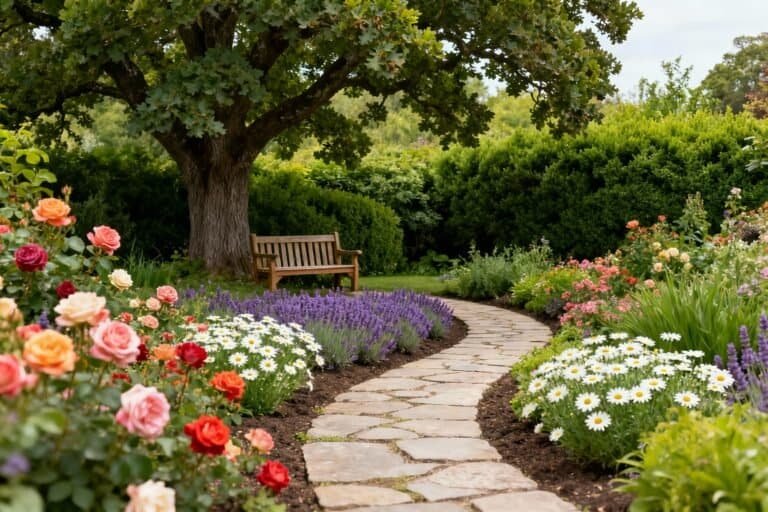
Then overseed with flowers or groundcovers, or plant plugs. Along paths, it helps even out depressions and makes a tidy base for low-growers like creeping thyme. Just don’t use it as the main path material unless you like weedy runways.
Where potting soil shines for patching
- Herb spirals and raised berms
- Edging around stepping stones
- Small cut-out beds under shrubs
Build a Quick “Lasagna” Layer for New Beds
Starting a bed from scratch?
Layer cardboard over the grass, water it, then add compost, garden soil, and stir in potting soil as a light, aerating layer. Top with mulch. Plant into it right away or wait a couple of weeks for it to settle.
This method smothers weeds and creates a soft, workable bed fast. It’s like a raised bed without the lumber and the drama. IMO, if you’ve got extra potting soil lying around, this is the most satisfying way to use it.
Simple layering recipe
- Cardboard (overlapped, no glossy prints)
- 1–2 inches compost
- 1–2 inches native soil blended with potting soil
- Mulch on top
What to Watch Out For
Before you go wild, a few sanity checks:
- Fertilizer content: Many potting mixes include synthetic fertilizer.
Keep it away from seedlings that burn easily.
- Hydrophobic peat: Very dry peat repels water. Pre-wet your mix before spreading.
- pH drift: Peat-based mixes skew acidic. Balance with your native soil and don’t use huge amounts in alkaline-loving beds.
- Perlite floaties: Those white bits float and blow around.
Lightly rake in and water to anchor.
- Not a compost replacement: Potting soil adds structure, but compost adds nutrients and microbes. Use both when you can.
FAQ
Can I fill a garden bed entirely with potting soil?
You can, but you’ll fight dry-outs, nutrient swings, and slump. Potting soil was designed for containers, not windy, wide beds.
Blend it with compost and topsoil for better structure and long-term fertility.
Will potting soil improve sandy soil?
Yes—temporarily. It helps sandy soil hold moisture and nutrients. For lasting results, add compost regularly and use mulch to reduce evaporation.
Is potting soil safe for vegetables?
Generally yes.
Most bagged mixes are safe for edibles. If your mix includes synthetic fertilizers, follow label rates and avoid overdoing it with tender seedlings. If you prefer organic, look for OMRI-listed bags.
How much potting soil should I add to my ground?
As a rule of thumb, start with 10–30% by volume when blending into beds.
For topdressing, 1/2–1 inch is plenty. You want to improve structure, not replace your soil entirely.
What’s better: coco coir or peat-based potting soil?
Both work. Coco coir re-wets easily and is more sustainable.
Peat is lightweight but can repel water when dry and skews acidic. Choose based on your plants and your local availability. FYI, either one benefits from added compost.
Can I reuse old potting soil in the ground?
Absolutely.
Break up clumps, pull old roots, and mix it into beds or use it for seed rows. If it looks tired and gray, revive it with compost before using.
Wrap-Up: Use It Like a Smart Shortcut
Potting soil in the ground? Totally fair game—as long as you treat it like a helper, not the star.
Topdress for quick wins, blend to fix texture, and use strips for seeds and transplants. Add compost for nutrients, mulch for moisture, and you’ve got a garden that feels high-end without the drama. Go forth and sprinkle wisely.