How to Grow Carnation Flowers: Care Tips for Beginners
Carnations don’t shout; they smirk. They look frilly and sweet, then quietly outlast every other flower in the vase. Need color?
They’ve got a whole paint store. Want meaning? They’ve been sending secret messages since before texting existed.
Let’s talk about why this humble bloom earns a spot in your garden and on your table.
Meet the Carnation: Classic, Colorful, Underrated
Carnations (Dianthus caryophyllus) show up everywhere: weddings, graduations, hospital rooms—because they thrive almost anywhere you plop them. They bring a nostalgic vibe, but they never feel dated. They smell lightly spicy, like cloves met sugar and had a floral baby.
And yes, they last ridiculously long in a vase—sometimes up to three weeks. Not bad for a “filler,” right?
Origins and Meaning: A Flower With a Secret Language
Carnations go way back to ancient Greece and Rome, where people used them in garlands and ceremonies. Their name likely comes from “coronation,” FYI, because folks literally crowned winners with them.
Over time, each color picked up a meaning—Victorian-era texting with petals.
Color Meanings You’ll Actually Use
- Red: Love and admiration. Deep red says “romance,” light red says “you’re awesome.”
- Pink: Gratitude and motherly love. The classic Mother’s Day flower for a reason.
- White: Pure love, luck, and remembrance.
Graceful and calm.
- Purple: Capriciousness (aka “I’m quirky”). Fun for birthdays.
- Yellow: Historically disappointment, but modern florists use it for cheer. Meanings evolve—IMO, go with “bright and happy.”
- Striped: “Regret I can’t be with you.” Victorians were complicated.
Types and Varieties: Not Just the Grocery-Store Bunch
You probably know the standard big, ruffled blooms, but carnations have a whole extended family.
Some feel fancy, some feel wild, all look great.
The Big Three
- Standard Carnations: Single, large bloom per stem. Perfect for bouquets and centerpieces.
- Spray Carnations (Mini Carns): Multiple small blooms per stem—great for texture and filler that still shines.
- Dianthus (Pinks): Smaller garden forms with crazy fragrance and pretty, jagged petals.
Standout Cultivars
- ‘Chabaud’: Old-school, clove-scented, great for cottage gardens.
- ‘La France’: Elegant blush tones that scream “wedding.”
- ‘Odessa’: Deep, dramatic red—romance in a stem.
- ‘Green Trick’: Technically a dianthus type, with fuzzy, mossy pom-poms. Weird and wonderful.
How to Grow Carnations Without Trying Too Hard
You don’t need a green thumb—just follow a few basics.
Carnations reward consistency, not coddling.
Soil, Light, and Water
- Sun: Full sun for 6+ hours daily. They tolerate light shade, but blooms drop their enthusiasm.
- Soil: Well-draining, slightly alkaline soil (pH 6.7–7.3). Add compost and a bit of lime if your soil runs acidic.
- Water: Keep evenly moist, not soggy.
Overwatering = root rot, and nobody wants that drama.
Planting Tips
- Spacing: 10–12 inches apart so air can circulate. Crowding invites mildew.
- Feeding: Light fertilizer monthly during bloom season. Go easy—overfeeding means leggy growth.
- Staking: Tall varieties flop in wind.
Use discreet supports or corral with a ring.
Pruning and Deadheading
Snip faded blooms to push out new ones—like telling the plant, “More of that, please.” Cut back by a third after the first flush to encourage a second show. You’ll get better shape and more flowers—win-win.
Common Problems (And Fast Fixes)
- Gray mold or powdery mildew: Improve airflow, water at the base, and remove affected parts.
- Yellowing leaves: Usually overwatering. Let soil dry slightly, then adjust your schedule.
- Aphids or thrips: Blast with water or use insecticidal soap.
Don’t panic; they go quickly.
Cut Flower Magic: Make Them Last Forever (Almost)
Carnations already outlive most blooms, but you can stretch that even more. Think of them as the meal-preppers of flowers—just a little setup for a long payoff.
Pro Conditioning Tips
- Cut stems at an angle under water. This prevents air bubbles from messing with hydration.
- Strip lower leaves so nothing sits below the waterline.
Rot = bacteria = short vase life.
- Use clean vases and fresh water with flower food. Change water every 2–3 days.
- Keep them cool and out of direct sun. Also away from ripening fruit—ethylene gas ages flowers fast.
Design Tips That Don’t Feel Basic
- Monochrome bunches look chic—try all-white or all-deep-red for drama.
- Mix textures with eucalyptus, waxflower, or roses.
Carnations play well with everyone.
- Cluster minis for a lush, gardeny vibe. It feels expensive without the actual expense—IMO, best hack.
DIY Projects: Fun, Easy, Totally Doable
Want to get crafty without hot glue and tears? Carnations to the rescue.
Simple Centerpiece
- Grab a low bowl, floral foam, and 20–30 stems in one color.
- Soak foam, then pack in short stems tightly for a domed look.
- Add a few sprigs of greenery around the base, and boom—hotel-lobby vibes.
Flower Crowns
- Use minis and floral wire/tape.
They hold up at parties without wilting.
- Alternate colors for a playful look or stick to white for ethereal fairy energy.
Dyed Carnations (Because Science)
- Split a stem and place each half in different colored water.
- Wait 24–48 hours for ombré petals. Kids love it. Adults pretend they don’t and then ask for photos.
Cultural Moments and Symbolism: More Than Pretty
Carnations show up in art, literature, and national traditions everywhere.
In Korea, pink carnations honor parents. In Portugal, the Carnation Revolution symbolizes freedom. In many places, white carnations honor remembrance at ceremonies.
Few flowers carry this much baggage and still look this cheerful.
FAQs
Are carnations annuals or perennials?
Both, depending on the type and your climate. Many garden varieties act as short-lived perennials in cooler zones and as annuals in hot, humid areas. Check your zone and pick accordingly.
Do carnations really smell like cloves?
Yes—many traditional varieties carry a warm, spicy clove scent.
Some modern hybrids focus on color and vase life, so the fragrance can be lighter. If scent matters, look for heirloom or “Chabaud” types.
Why do my carnation buds never open?
They might need more sun or less nitrogen. Too much fertilizer pushes leaves, not blooms.
Also, cool nights help—carnations prefer moderate temps rather than hot, sticky weather.
Can I grow carnations in containers?
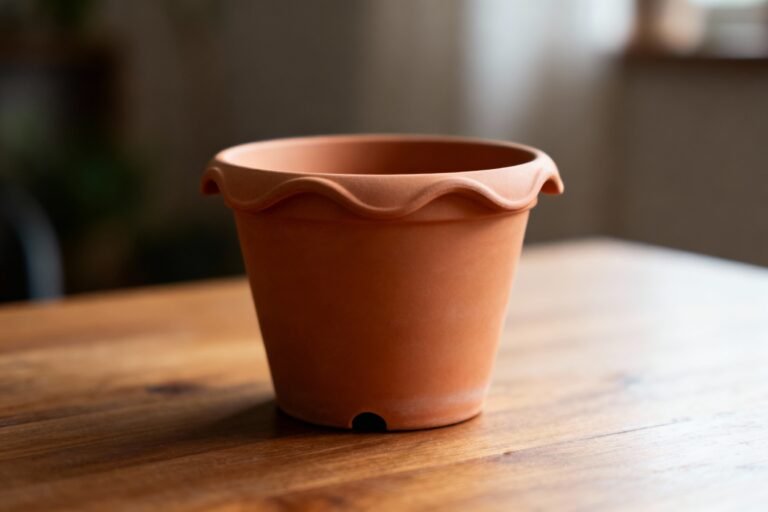
Absolutely. Use a well-draining potting mix, a container with drainage holes, and full sun. Water when the top inch dries out, and trim regularly to keep them compact and blooming.
Are carnations safe around pets?
They can cause mild stomach upset if chewed by cats or dogs.
Not the end of the world, but not ideal. Keep arrangements out of nibbling range, just in case.
How long do cut carnations last?
With clean water, flower food, and cool temps, they often last 10–21 days. That’s superstar status in the cut-flower world.
Final Thoughts: Give Carnations Their Flowers
Carnations don’t need hype—they earn it.
They’re beautiful, affordable, long-lasting, and surprisingly meaningful. Plant them for steady color, cut them for endless bouquets, and enjoy the subtle spice that sneaks up on you. If you slept on carnations, consider this your gentle wake-up call—no judgment, just more blooms coming your way.