Cheese Ravioli with Sage Butter: Cozy Weeknight Win
From the moment the steam hits your nose, you know you’re in for a good meal. Cheese ravioli kissed with sage butter feels cozy, indulgent, and somehow virtuous all at once. Let’s skip the pretentiousness and get straight to the club sandwich of pasta—simple, salty, silky, and always ready to impress.
What makes Cheese Ravioli with Sage Butter feel special
You’re not just boiling pasta here. You’re marrying two classic comfort foods: pillowy ravioli and a butter-soaked sage glaze that smells like a cozy kitchen on a Sunday afternoon. The cheese внутри the ravioli should be creamy and bright, not bland. The sage butter ties it all together with a nutty aroma and a hint of earthiness. FYI, this dish shines when you keep the components simple and let each flavor breath.
The star players: choosing ravioli and cheese filling
What to buy
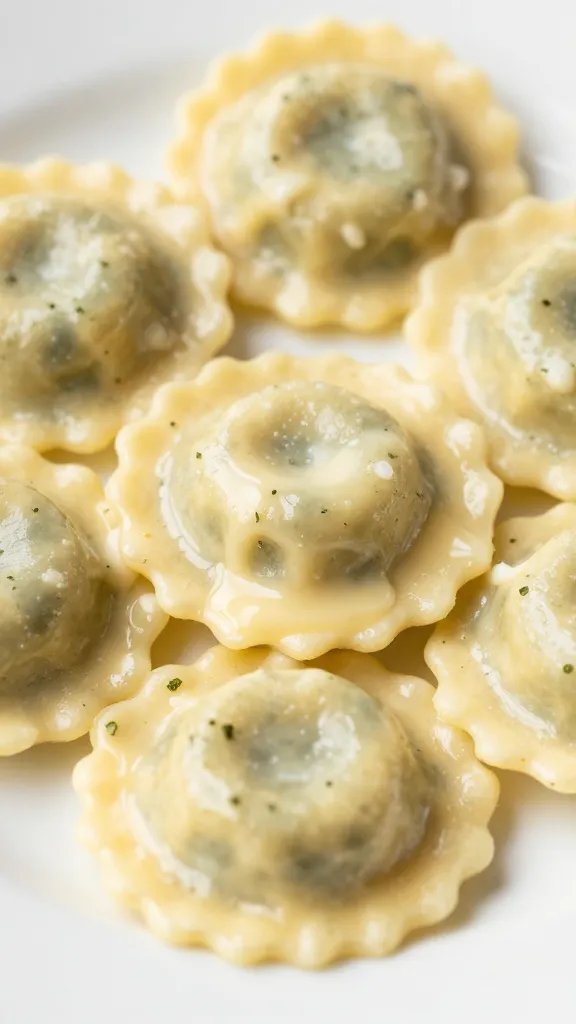
- Fresh or high-quality store-bought cheese ravioli—whatever keeps you from crying over a pot of water for hours.
- Cheese filling options: ricotta-heavy gives a creamy bite; mozzarella inside adds stretch; parmesan or pecorino boosts sharpness. Pick one or mix a couple.
- Butter with a little high smoke point oil (to keep butter from browning too aggressively).
What not to ignore
- Salt in the pasta water matters. Salt it like the sea and taste as you go.
- Avoid overfilling ravioli. You don’t want cheese apocalypse leaking into the pot.
Making the sage butter magic
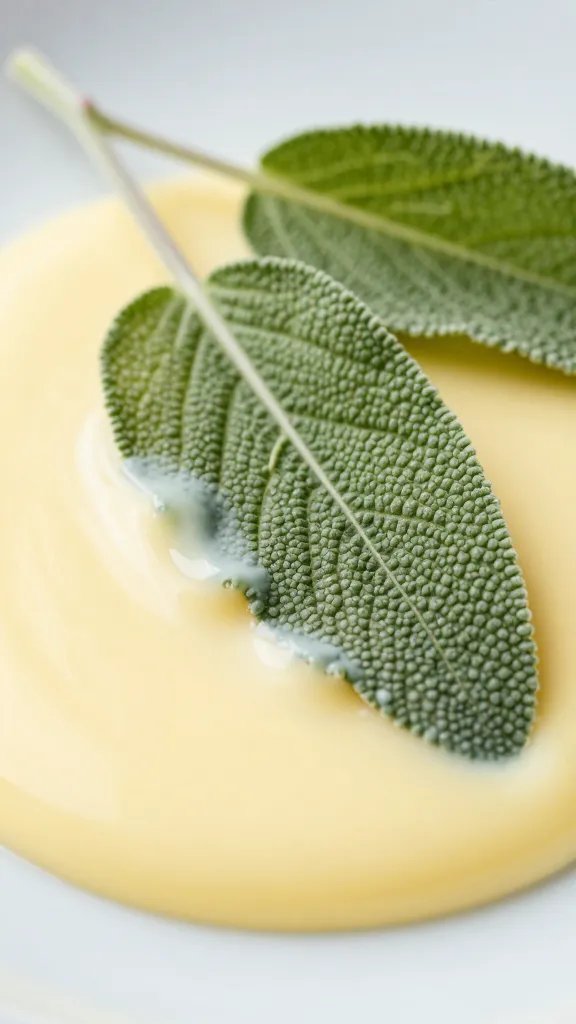
Imagine butter that sighs with autumn leaves. That’s sage butter. It’s quick, fragrant, and transformative.
- Melt a generous pat of butter in a skillet over medium heat.
- Add a few fresh sage leaves. Let them crisp and scent the butter—don’t burn them; you want a toasty aroma, not a campfire.
- Tilt the pan and baste the ravioli with the bubbling brown bits for depth. A little lemon juice or zest brightens the finish if you’re into it.
Tips for success
- Keep an eye on color. Browned butter is great; burnt butter is not.
- Finish with a pinch of salt and a crack of black pepper to wake the flavors.
Cooking flow: from pot to plate
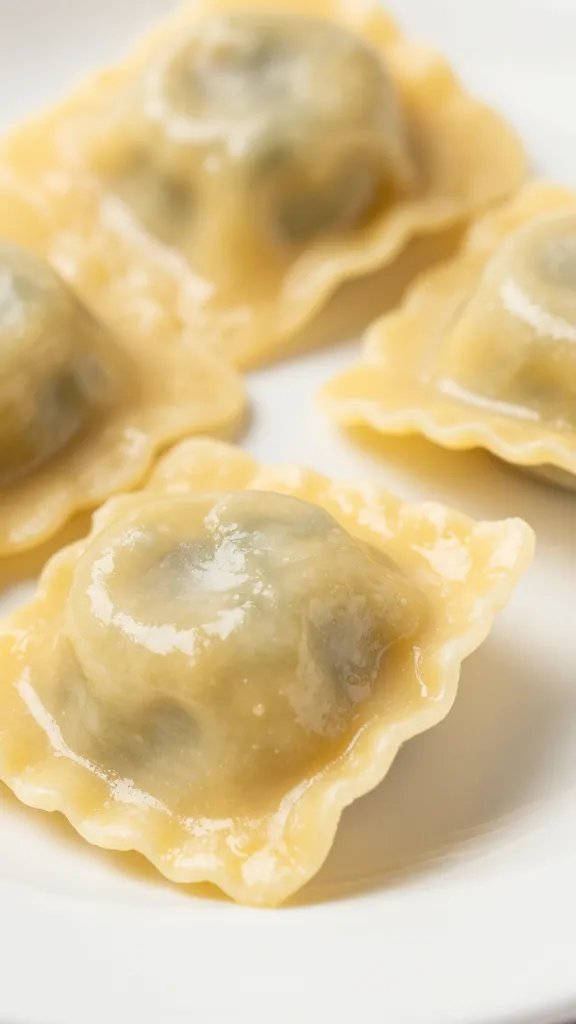
- Boil salted water. Drop in ravioli when it’s at a rolling boil; cook until they float and feel tender but not mushy.
- Reserve a splash of pasta water. It’s your secret weapon to loosen sauce if needed.
- Transfer ravioli to the skillet with sage butter. Toss gently to coat. A quick splash of pasta water helps the sauce cling.
- Finish with parmesan, extra sage leaves, or a squeeze of lemon if you want brightness. Serve immediately.
Variations to scratch that itch
Too many options? Good. Here are a few simple tweaks to keep things interesting.
Herby twist
Swap sage for thyme or rosemary for a piney, fragrant from-the-garden vibe. The butter will carry the forest notes beautifully.
Cheese lineup
Go beyond standard ricotta—try a blend of ricotta, mozzarella, and a poud of parmesan. Or pepper it with gorgonzola for a bite that makes you sit up straight.
Finishers that zing
Red pepper flakes for heat, lemon zest for brightness, or toasted pine nuts for crunch. FYI, texture matters as much as taste here.
Pairing ideas that won’t mess with the vibe
- A crisp white wine like Pinot Grigio or Soave keeps things refreshing.
- Dry sparkling water with a splash of lemon is a surprisingly good palate cleanser.
- Simple green salad with a sharp vinaigrette cuts the richness nicely.
Common mistakes and how to dodge them
- Overcooking ravioli: it becomes mushy and sad. Cook to al dente and resist the urge to taste-test every 30 seconds.
- Mogadon butter: don’t burn the butter or the sage. Watch the color of both closely.
- Sauce clumping: keep a little pasta water on hand to loosen if needed.
Techniques that actually help (without being pedantic)
- Salt the pasta water like the ocean. If your water isn’t briny, your ravioli won’t sing.
- Tenderly handle ravioli. They’re delicate little pillows—no rough juggling.
- Let butter emulsify with a touch of water. It creates a glossy, clingy sauce that coats every noodle.
FAQ
Can I use dried ravioli for this?
Yes, but fresh or refrigerated ravioli usually cooks faster and tastes brighter. If you go dry, follow package directions and add a minute or two to the timing. IMO, fresh beats dry here, but dry still works in a pinch.
What if I don’t have fresh sage?
Dried sage works, but use it sparingly. Fresh sage has that aromatic punch you want; dried can overpower the dish quickly.
How do I prevent the butter from getting too dark?
Keep the heat at medium and watch it like a hawk. Remove the pan from heat briefly if it starts to browns too fast, then return to finish the sauce off the heat. A little lemon juice can balance any nutty notes.
Can I add protein to this?
Totally. Pan-seared chicken, crispy prosciutto, or shrimp all pair nicely. Add them after the ravioli finish cooking; let them mingle in the pan with the butter for a minute to soak up flavor.
Is this good as a leftovers lunch?
It can be, but reheat gently. Re-saucing with a splash of pasta water helps keep the coating cohesive. If you’re packing for lunch, store components separately and combine when reheating.
Conclusion
Cheese ravioli with sage butter is comfort on a plate with a little fancy footwork. The cheese inside plushes your bite while the sage butter coats every edge with a toasty, herbaceous kiss. It’s simple enough for a weeknight but special enough to serve to guests without breaking a sweat. So, grab some ravioli, raid your herb garden if you’ve got one, and cook like you actually know what you’re doing. IMO, you’ll be rewarded with smiles, leftovers you’re not mad about, and a pantry staple that feels just a touch celebratory. FYI, you might find yourself making this on repeat.