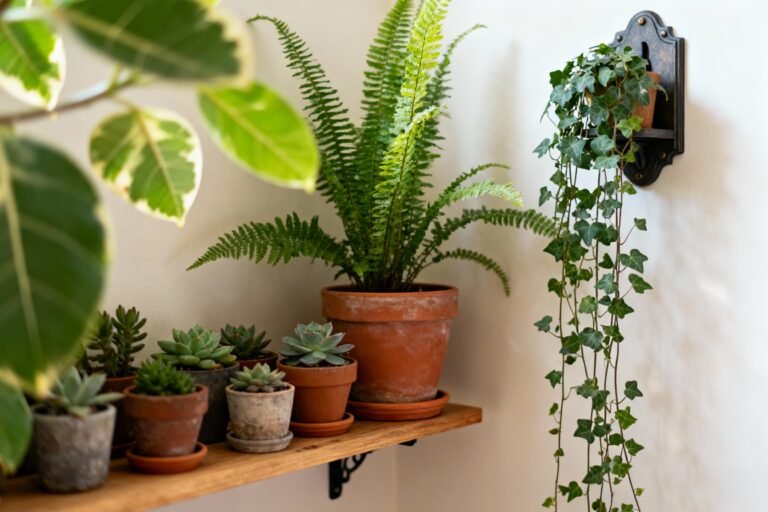
How to Grow Citronella Plant at Home: Easy Care Tips
Mosquitoes crash your summer evenings faster than you can say “where’s the bug spray?” The citronella plant steps in like a tiny green bouncer. It looks pretty, smells fresh, and, yes, it helps with the bugs—just not always the way people think. Let’s unpack the hype, the how-to, and the “OMG why is it dying” panic, so you can actually enjoy that patio.
So… What Exactly Is a Citronella Plant?
Most folks call anything lemony that says “bug repellent” a “citronella plant.” But there are two main players, and they’re not the same:
- Cymbopogon nardus or Cymbopogon winterianus: True citronella grass.
Tall, strappy, grassy clumps. This is where citronella oil comes from.
- Plectranthus tomentosa, aka “citronella” or “mosquito plant” geranium: A fuzzy-leaved, compact plant with a citrusy scent. Smells great, not the same as citronella grass.
FYI: Stores often sell the geranium as “citronella.” If you want the oil-producing plant, you need the grass.
If you want an easy, fragrant patio buddy, the geranium works fine.
Does Citronella Actually Repel Mosquitoes?
Short answer: yes, but not like a forcefield.
- Crushed leaves release fragrant oils that can help repel mosquitoes for a short time.
- Citronella candles help a little in still air, not so much in a breeze.
- Essential oil diluted and applied to skin works better than just having the plant nearby.
Think of the plant as a helpful teammate, not the MVP. Combine it with fans, screens, and removing standing water for real results. IMO, a fan blowing across your seating area does more than a ring of plants.
Choosing Your Citronella: Grass vs. “Mosquito Plant”
You’ve got options, and your vibe matters.
Citronella Grass (Cymbopogon)
- Look: Tall, arching blades, ornamental grass vibe.
- Climate: Loves warmth; treat as an annual in cold climates or overwinter indoors.
- Use: Best for harvesting leaves for DIY oil infusions and potpourri.
Citronella “Geranium” (Plectranthus/Pelargonium)
- Look: Compact mounds, textured leaves, sometimes tiny flowers.
- Climate: Great in containers; easy to bring inside.
- Use: Frequent leaf-crushing near your seat gives a local scent cloud.
Cute as heck in pots.
Can’t decide? Plant both. It’s not a monogamous relationship.
How to Grow It Without Babying It
Citronella is low drama if you set it up right from day one.
Light
- Full sun is best: 6–8 hours daily.
Some afternoon shade in very hot regions keeps leaves from crisping.
- Indoors, put it in your brightest window or under a grow light.
Soil
- Well-draining mix is key. Think potting soil + perlite or sand.
- Avoid heavy, soggy soil. This plant hates wet feet like I hate pop-up ads.
Water
- Water when the top inch of soil dries out.
Don’t keep it constantly wet.
- Containers need more frequent watering in summer; don’t let them bone-dry for days.
Feeding
- Use a balanced, slow-release fertilizer in spring.
- Or feed monthly with a diluted liquid fertilizer during the growing season. Easy does it—no protein shakes needed.
Pruning
- Pinch stems to keep it bushy and prevent leggy growth.
- Harvest leaves regularly for fragrance—your plant will thank you.
Containers, Landscaping, and “Make It Cute” Ideas
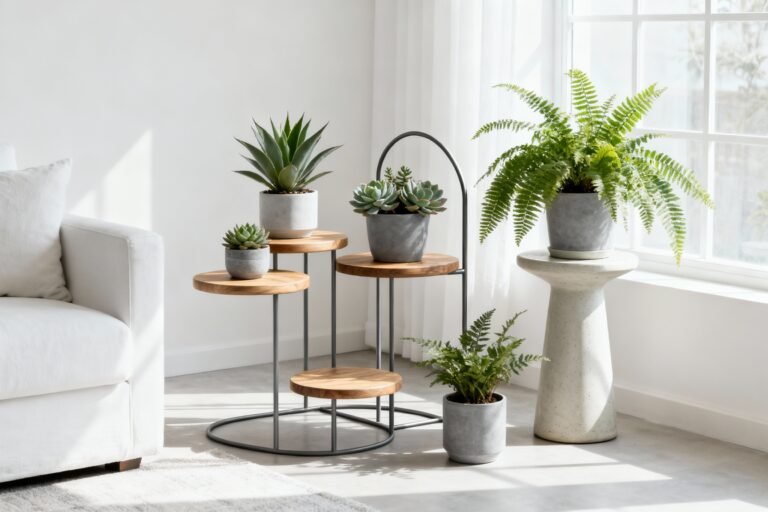
Citronella shines in containers and mixed planters. You get control over soil, water, and winter moves.
- Patio ring: Place 3–5 pots around your seating area.
Crush a few leaves before you sit down.
- Mixed planters: Combine citronella geranium with lavender, marigolds, and basil for a fragrant, pollinator-friendly look.
- Design tip: Use a tall pot for citronella grass to show off the arching blades. Add trailing plants like sweet potato vine for drama.
Want a hedge? Citronella grass can form a seasonal border in warm climates.
Just give it room—those clumps spread.
Overwintering Without Tears
If frost is coming, you need a plan.
- Before first frost, move container plants indoors near bright light.
- Trim lightly to manage size and improve airflow.
- Water less in winter, but don’t let it fully dry out.
- Expect slower growth. It’s chilling, literally and figuratively.
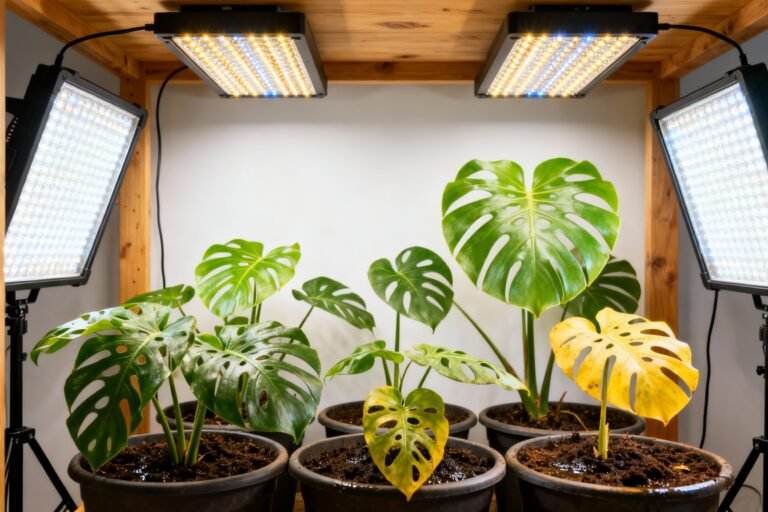
If your plant sulks indoors (droopy leaves, slow growth), give it more light. A cheap LED grow light works wonders, FYI.
Pests, Problems, and Drama Control
No plant lives a totally peaceful life.
Here’s how to keep the chaos down.
- Yellowing leaves: Usually overwatering or poor drainage. Check the pot holes; repot if needed.
- Leggy growth: Not enough light. Move it to a sunnier spot and pinch back.
- Spider mites/mealybugs: Wipe leaves with soapy water or use neem oil.
Repeat weekly until clear.
- Leaf scorch: In extreme heat, give afternoon shade and consistent moisture.
Pro tip: Always inspect new plants before introducing them to your indoor crew. Hitchhiking pests are sneaky.
DIY Uses That Actually Work
You won’t distill pure citronella oil at home (unless you own a still and questionable life choices), but you can make simple things.
Quick Leaf Rub
- Crush a few leaves between your fingers and rub on patio tabletops, chair arms, or outdoor railings.
- For skin, test a small area first—some folks react. Dilute with a carrier oil if you’re sensitive.
Scented Sachets
- Air-dry leaves for a few days, then tuck into small fabric bags.
- Use in drawers, gear bins, or the car for a fresh citrus-herbal hit.
Simple Infused Oil
- Lightly bruise clean, dry leaves.
- Cover with a neutral carrier oil (like grapeseed) in a clean jar.
- Steep in a sunny window for 1–2 weeks, shaking daily; strain.
- Use to scent candles or as a light outdoor body oil (patch test first).
Not into DIY?
Buy a reputable citronella essential oil and dilute it properly. Your time is valuable, IMO.
Frequently Asked Questions
Is citronella plant safe for pets?
Citronella and scented geraniums can cause mild digestive upset if pets chew them. Keep plants out of munching range and call your vet if your pet eats a lot.
Also avoid using concentrated oils on pets unless your vet gives the thumbs-up.
How much mosquito control can I expect from just the plant?
Some, but not total protection. The plant helps in small, still-air spaces when you crush leaves to release scent. For real relief, pair it with a fan, remove standing water, and consider topical repellents when needed.
Can I grow citronella indoors year-round?
Yes, if you give it strong light and good airflow.
A south-facing window or a grow light keeps it happy. Rotate the pot, water when the top inch dries, and prune to prevent a weird, one-sided shrub.
What’s the difference between citronella and lemongrass?
They’re cousins. Lemongrass (Cymbopogon citratus) smells lemony and shows up in curries; citronella grass smells sharper and fuels repellent oils.
Don’t swap them in recipes unless you enjoy culinary chaos.
Why does my citronella plant look droopy after I bring it inside?
It’s adjusting to lower light and drier indoor air. Trim lightly, increase light, and don’t overwater. It usually perks up in a couple of weeks once it acclimates.
Can I propagate citronella easily?
Totally.
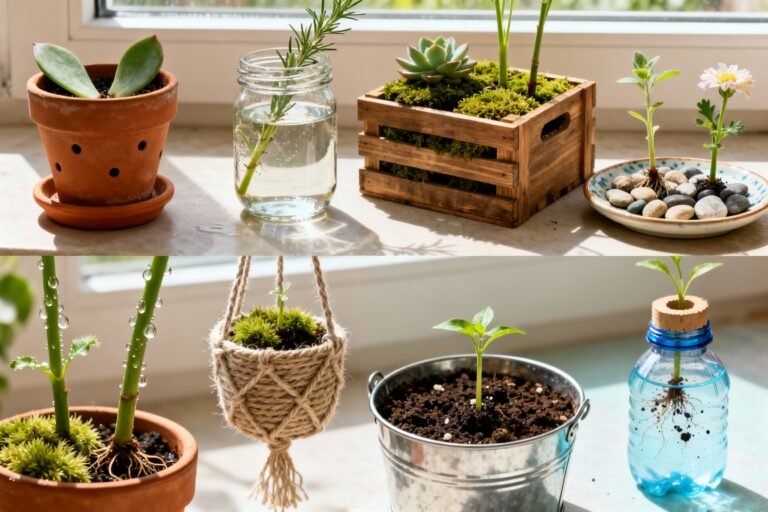
For the geranium, take 4–6 inch stem cuttings, strip lower leaves, and root in water or moist perlite. For citronella grass, divide clumps in spring or early summer and replant the sections.
Final Thoughts
Citronella won’t make mosquitoes pack their tiny suitcases and leave forever, but it does pull its weight when you grow it right. Grab the grass if you want that classic oil source, or the geranium if you prefer compact, fragrant cuteness.
Pair it with smart mosquito tactics, keep the care simple, and enjoy your evenings outside—no hazmat-grade bug spray required.