Classic Martini Recipe: the Bold, Bare Martini Guide
The classic martini isn’t just a drink; it’s a tiny rebellion in a glass. Clean, cold, and impossibly chic, it sits at the intersection of confidence and ritual. You’ll either love its clarity or dismiss it as too fussy—but you won’t forget it.
What makes a martini truly classic?
A classic martini isn’t about gimmicks or bells and whistles. It’s about two ingredients, a clean technique, and the attitude to match. Gin or vodka, dry vermouth, and a twist or olive is all you need to enter the sacred hall of cocktails. FYI, the ratio is where the magic happens, not the glassware.
Gin vs. vodka: choosing your base spirit
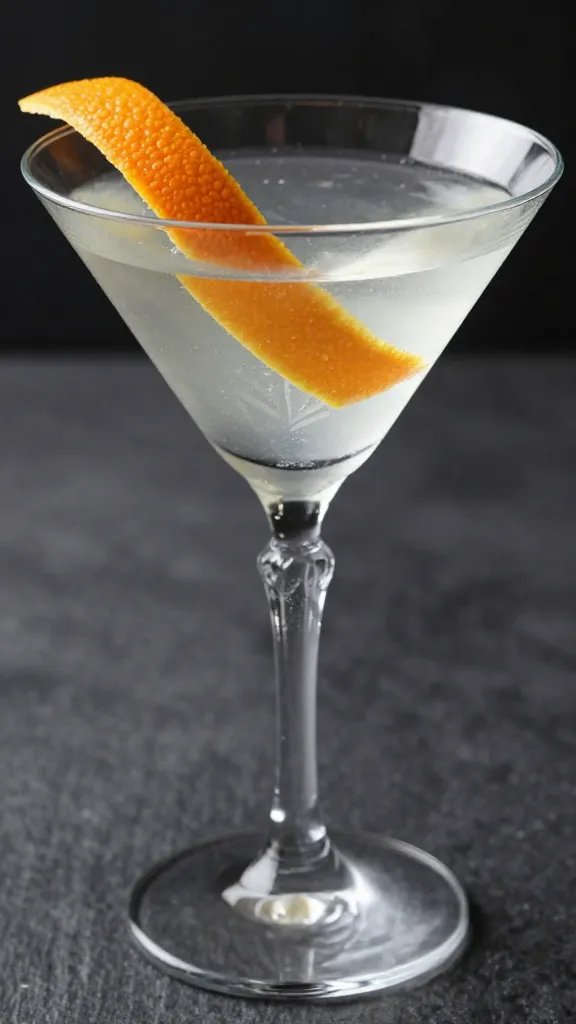
– Gin is the traditional hero. Its botanical chorus—juniper, citrus, perhaps coriander and angelica—gives the martini depth.
– Vodka makes a smoother, more approachable version. It’s a blank canvas that highlights vermouth and garnish.
When to pick gin
If you want a crisp, aromatic sip with a hint of complexity, go gin. A classic London dry works beautifully—bold, dry, and a touch spicy.
When to pick vodka
If you crave a cleaner, more neutral profile and a lighter mouthfeel, vodka is your friend. It’s also handy if you’re making a lot of martinis and want less botanical buzz on the palate.
Dry vermouth: yes, it matters
Vermouth isn’t an afterthought. It’s the seasoning that can make or break your martini. The dry kind is typically used, but the amount and quality can shift the entire vibe. A few dashes or a measured splash? Your call, but don’t drown it.
How dry should you go?
– Extra dry: just a whisper of vermouth, barely there, especially if you’re chasing that stony, cold bite.
– Classic dry: a small amount that still lets the gin or vodka shine.
– Damp martini: a bit more vermouth for a softer, rounder edge.
Technique: stir, don’t shake (mostly)
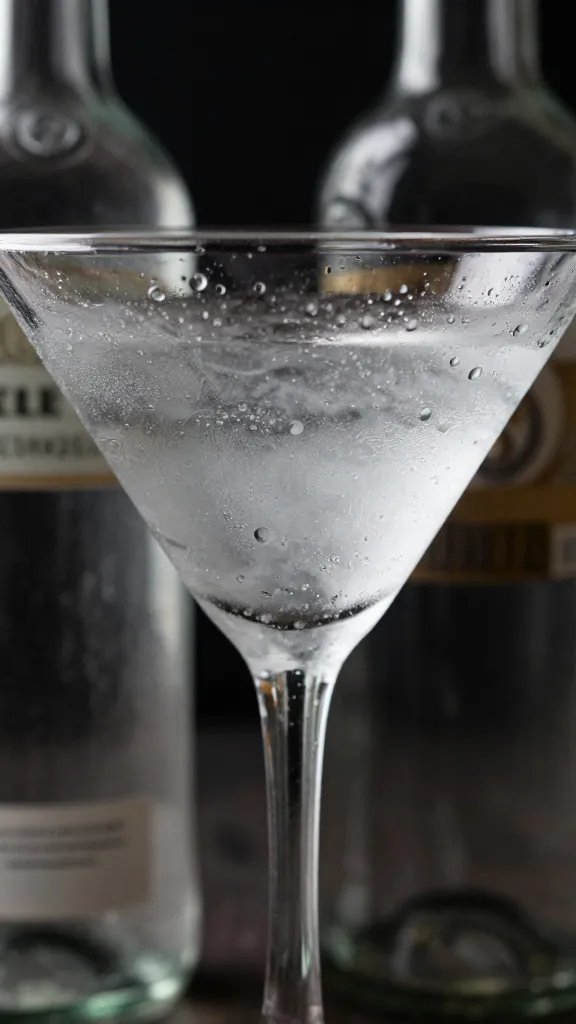
The ritual matters as much as the ingredients. Stirring with ice chills and dilutes slowly, preserving clarity and mouthfeel. Shaking can chill fast, but it introduces air and a cloudiness that many purists frown upon.
- Use plenty of ice for ultra-cold expectations.
- Stir for about 20–30 seconds. Taste along the way if you’re unsure.
- Strain into a chilled glass to keep the surface pristine.
What about the twirl of the shaker?
A gentle rhythm, not a rattle apocalypse. You want the liquid to mingle with ice, not get brutalized into a less elegant version of itself.
Garnish: olive or twist, and why
Garnishes aren’t just decoration. They carry aroma and a little bite of personality. An olive gives a briny whisper; a lemon twist delivers citrus oils that brighten every sip.
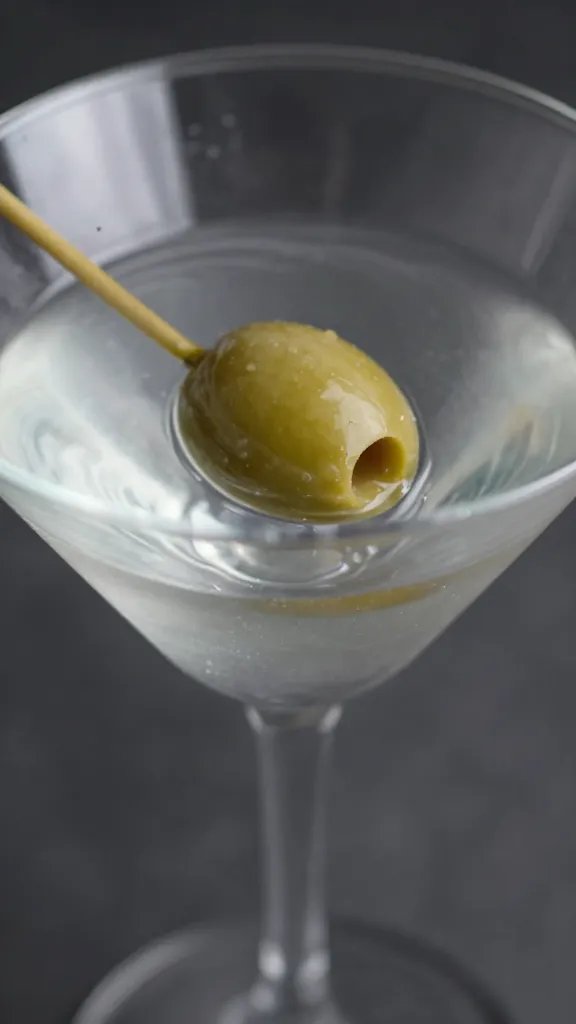
- Olive: classic, salty, comforting. Keep it simple—one olive works.
- Twist: express the oils over the glass, wipe the rim, and drop in. The citrus aroma changes the drink in a glorious microsecond.
How to choose your garnish
If you want tradition with a crisp bite, go with an olive. If you crave brightness and zing, opt for a twist. FYI, you can even do both, but that’s a decision that will spark debates at the bar (or your kitchen).
Pro tips for a reliably great martini
– Chill everything: glass, spirit, and even the vermouth bottle before you start.
– Quality matters: you don’t need a fancy bottle, but a decent dry vermouth and a well-made spirit will pay dividends.
– Personalize slowly: start with a traditional ratio, then adjust to your taste. Don’t reinvent the wheel on the first try.
– Don’t overdo the ice in the glass—your martini should stay cold but not waterlogged.
Common mistakes to dodge
– Over-diluting: 30 seconds of stirring is plenty; longer and you’ll start tasting watering down.
– Too much vermouth: a heavy hand will mute the spirit’s character.
– Garnish gaffes: a wilted olive or a lifeless twist doesn’t do the drink any favors.
Variations that still feel classic
There’s room for nuance without breaking the vibe. Here are a few tweaks that stay true to the spirit.
- Dirty martini: add a splash of olive brine for a savory edge. It’s not for everyone, but some people claim it’s life-changing.
- Perfect martini: equal parts dry and sweet vermouth for a softer, more nuanced profile.
- Vesper-style: a nod to Bond, but with restraint—use a mix of gin, vodka, and a splash of Lillet Blanc for a citrusy lift.
Serving science: glassware and ambiance
– Glass: a chilled coupe or a classic martini glass for that iconic silhouette.
– Temperature: aim for a glass that’s frosty but not frosted over. You want the first sip to feel crisp, not icy.
– Atmosphere: a quiet moment with a friend, or a playful tasting with a few varieties. The drink plays best when the setting is relaxed.
Size and proportion sanity check
If you’re serving guests, a practical approach is to pre-measure a few ready-to-pour kits: 2 oz gin (or vodka) to 1/4 oz to 1/2 oz vermouth, depending on how dry you’re feeling. Then add the garnish after pouring. Simple, elegant, efficient.
FAQ
What is the most traditional martini ratio?
The traditional approach leans toward gin with a very dry vermouth touch. A common starting point is 2.5 ounces gin to 0.5 ounce dry vermouth, with adjustments to taste. If you’re feeling bold, dial vermouth down further and you’ll taste more of the gin’s character.
Is a martini shaken or stirred?
Purists say stirred to preserve clarity and texture. If you like a colder, more aerated texture, shaking works too. Either way, strain well and serve icy cold.
Can I use flavored gin or vodka?
You can, but it changes the game. Flavored bases push the martini toward a cocktail-y vibe rather than a strict classic. If you want a true classic, stick to a clean base and let vermouth and garnish do the talking.
What’s the deal with vermouth shelf life?
Vermouth isn’t a forever friend. Once opened, keep it in the fridge and use within a month or two for best aroma and flavor. If it starts to smell off or taste flat, it’s time to retire it.
Can I make a big batch for a party?
Yes, but keep proportions sane. Mix the base spirits and vermouth in a pitcher with plenty of ice, then chill and strain into proper glasses as guests arrive. Don’t batch the garnish; add it fresh per glass for aroma and brightness.
Conclusion
If you’re chasing a moment of cool, the classic martini is your passport. It’s not about complicating things; it’s about precision, restraint, and a little swagger. Start with a solid base, respect the vermouth, and keep the garnish honest. IMO, the result is a drink that honors simplicity while letting your taste buds do the high-fiving. So, are you in for a perfectly balanced, glass-shiny martini night?