Crustless Orange Ricotta Cheesecake That Steals the Show
Ricotta cheesecake without a crust? Yep. All the creamy, citrusy joy—none of the crumbly mess. If you’ve ever wanted dessert that feels elegant but cooks like a weeknight project, this one’s your new bestie. You’ll whisk, you’ll zest, you’ll bake, and then you’ll strut around like a pastry chef who also knows how to keep things chill.
Why Crustless Works (and Wins)
Crust tastes great, sure. But ricotta cheesecake shines when you skip it. The texture turns extra tender, and the orange zest takes center stage. Plus, you dodge soggy bottoms and overbaked edges. We love triumphs that require less effort and fewer dishes, right?
You also bake it a little gentler, which keeps the custard silky. No crust means you can serve it straight from the pan, or lift it out cleanly if you line it right. FYI, nobody at the table misses the crust when the flavor pops this hard.
The Flavor Blueprint: Orange + Ricotta

We build this cheesecake around two stars: whole-milk ricotta and fresh orange. Ricotta brings mild creaminess that won’t knock you out. Orange adds perfume, brightness, and a hit of sunshine that makes every slice feel like brunch and dessert had a very happy baby.
What You’ll Taste
– Gentle sweetness that doesn’t clobber your palate
– Citrus top notes from zest and a squeeze of juice
– Creamy center with slightly custardy edges
– A whisper of vanilla that ties everything together
Ricotta Matters—A Lot
If your ricotta feels watery, you’ll get a weepy cheesecake. Not cute. For the best texture:
– Use high-quality whole-milk ricotta
– Drain it in a fine-mesh sieve or cheesecloth for 30–60 minutes
– Blend or whip it smooth to avoid graininess
Ingredients (Simple, But Choose Wisely)
You don’t need a lab, just a solid grocery run. Here’s the lineup:
- Ricotta cheese (whole milk): 2 cups (about 450–500 g), drained
- Cream cheese: 8 oz (225 g), room temp, for extra body
- Granulated sugar: 3/4 cup (150 g), adjust to taste
- Eggs: 3 large, room temp
- Orange zest: 2–3 teaspoons (from 1–2 oranges)
- Orange juice: 2 tablespoons, freshly squeezed
- Vanilla extract: 1 teaspoon
- Salt: a pinch, to wake everything up
- Cornstarch or flour: 1 tablespoon, to set the custard
- Sour cream (optional): 1/3 cup for extra silkiness
IMO, the sour cream gives it that classic cheesecake vibe, but if you want it lighter and more ricotta-forward, skip it.
How to Bake It Like You Mean It
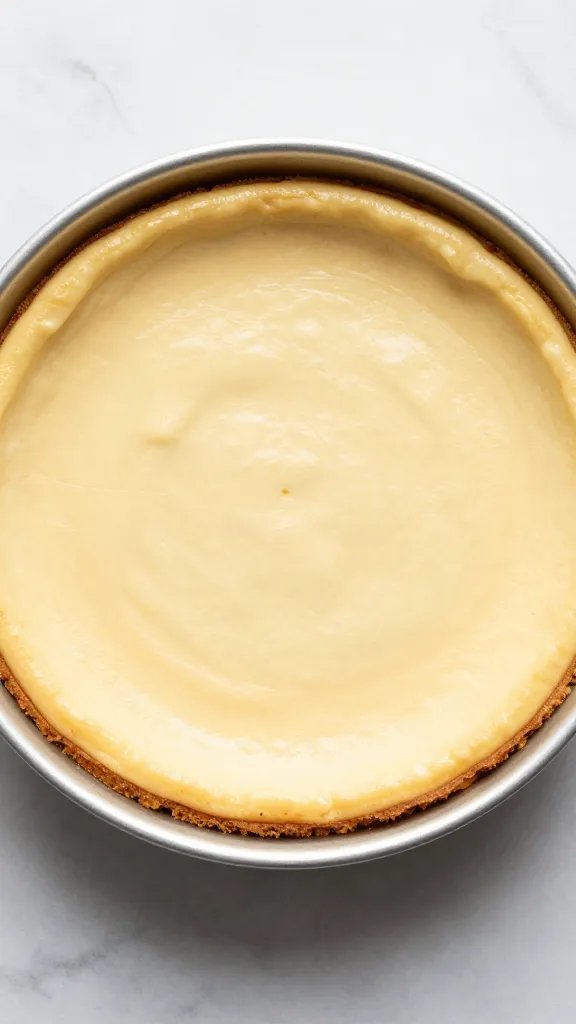
This is where you relax and follow a rhythm. No pastry degree required—just patience and a rubber spatula.
- Prep the pan: Line a 9-inch springform or a 9-inch cake pan with parchment on the bottom. Lightly grease the sides. You can also use a 8-inch for a taller bake; just add 5–10 minutes.
- Heat the oven: 325°F (160°C). Low and steady wins.
- Blend the base: In a food processor or bowl with a hand mixer, beat ricotta until smooth, 1–2 minutes. Add cream cheese and blend till creamy with no lumps.
- Add the flavor: Mix in sugar, orange zest, orange juice, vanilla, and salt. Taste the batter—yes, it’s allowed. Adjust zest if you want it brighter.
- Stabilize: Beat in eggs one at a time. Sprinkle in cornstarch and sour cream (if using). Mix just until combined. Don’t overwhip; you’re making cheesecake, not whipped cream.
- Pour and smooth: Tap the pan gently to release bubbles. If you see stubborn bubbles, poke with a toothpick. Satisfying, right?
- Bake: 45–55 minutes. The edges should look set and slightly puffed; the center should jiggle like Jell-O in a good mood.
- Cool slowly: Crack the oven door and let it cool 30–45 minutes. Then move to a rack until room temp. Chill at least 4 hours (overnight = chef’s kiss).
Water Bath: Do You Need One?
Short answer: not required. The lower oven temp keeps cracks minimal. If you want ultra-smooth custard, set the pan inside a larger pan and pour hot water halfway up the sides. Wrap the springform with foil first. But again—optional.
Texture Tweaks (Because You’re Picky, And We Love That)
– For creamier: Add the sour cream and use an extra yolk.
– For lighter: Skip sour cream, add an extra tablespoon of orange juice, and whip the ricotta very smooth.
– For sweeter: Increase sugar to 7/8 cup.
– For tangier: Swap sour cream for plain Greek yogurt.
– For gluten-free: Use cornstarch instead of flour. Easy win.
Flavor Boosts
– Add a tablespoon of orange liqueur (like Cointreau) to the batter.
– Swirl in 2–3 tablespoons of orange marmalade before baking.
– Fold in a handful of mini chocolate chips because chocolate + orange? Elite combo.
– Finish with a thin sour cream topping after baking: whisk sour cream, a spoon of sugar, and a splash of OJ; spread on the warm cake, bake 5 more minutes.
Serving Suggestions That Feel Fancy Without Trying
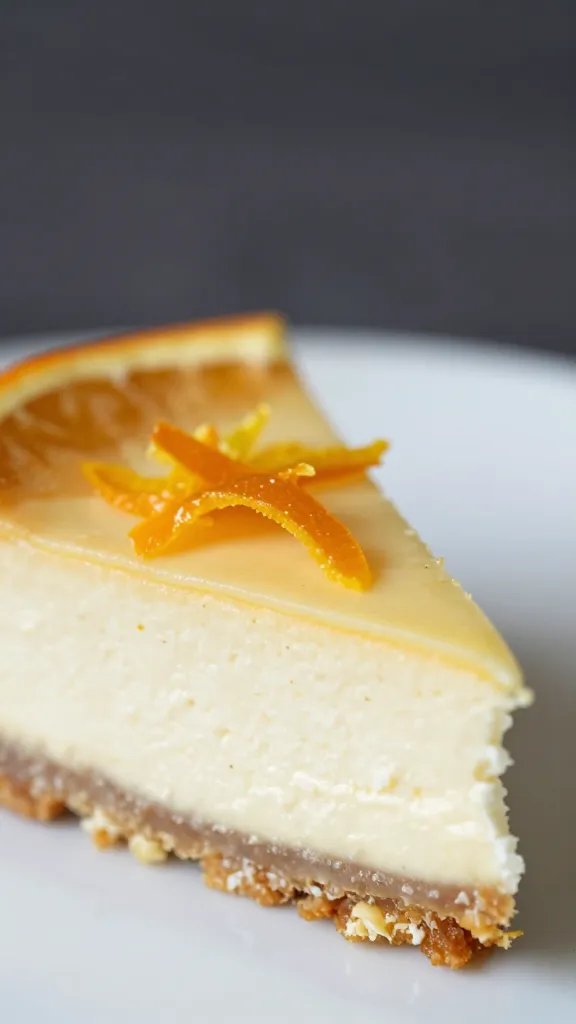
You can serve it straight up and win. But if you want a little drama, try these:
- Orange-honey drizzle: Warm 2 tablespoons honey with 1 tablespoon orange juice and a pinch of salt. Spoon over slices.
- Mac-erated berries: Toss strawberries or raspberries with a spoon of sugar and a squeeze of lemon. Let them hang out 10 minutes.
- Candied orange peel: Flex on everyone with a few shiny strips on top.
- Toasted almonds or pistachios: Crunch factor = high. Flavor = big.
FYI, serve it cold for clean slices, or just slightly chilled for a creamier bite. Both hit.
Make-Ahead, Storage, and Zero-Stress Hosting
Cheesecake loves a nap, which makes your life easier. Bake it a day ahead, chill overnight, and slice when guests show up demanding dessert.
Storage Basics
– Fridge: Cover and chill up to 4 days.
– Freezer: Freeze whole or in slices, well wrapped, up to 2 months. Thaw overnight in the fridge.
– Transport: Keep it in the pan until you arrive. Nobody needs a cheesecake slide disaster, IMO.
FAQ
Can I use only ricotta and skip the cream cheese?
Yes. Expect a lighter, more custardy texture with a slightly grainier bite. Blend the ricotta super smooth, drain it well, and add an extra tablespoon of cornstarch for stability. It tastes fantastic—just different from classic New York-style.
Do I really need to drain the ricotta?
If it’s very wet, yes. Excess moisture leads to weeping and a loose center. Thirty minutes in a sieve or cheesecloth fixes it. If your ricotta already looks thick and scoopable, you’re fine.
How do I prevent cracks on top?
Use room-temp ingredients, avoid overmixing, bake low and slow, and cool gradually with the oven door cracked. A small crack won’t ruin anything—cover it with zest, whipped cream, or your undeniable charm.
Can I swap lemon for orange?
Absolutely. Use the same amount of zest and juice. Lemon tastes sharper and a touch less sweet; you might like a smidge more sugar to balance. Blood orange also slaps if you can find it.
What pan works best?
A 9-inch springform keeps unmolding simple. A regular 9-inch cake pan lined with a sling of parchment also works. If you go smaller, add a few minutes to the bake; if you go wider, shave a few minutes off.
Is this gluten-free?
Yes, if you use cornstarch instead of flour. No crust = no crumbs to worry about. Check labels on ricotta and add-ins, just to be safe.
Conclusion
Crustless orange ricotta cheesecake keeps dessert breezy and bright. You get creamy texture, bold citrus, and an ingredient list that doesn’t feel like homework. Bake it the day before, chill it, and slice into sunshine whenever you want. And if someone asks for the recipe? Tell them it’s a family secret… then send them this and take all the credit.