7 Ways To Design A Garden That Works While You Don’t
You want a garden that basically runs itself while you sip iced tea and admire your handiwork? Totally doable. You don’t need a full-time groundskeeper or a secret irrigation degree.
You just need a few smart design choices that save you time, water, and sanity. Let your garden do the heavy lifting while you kick back and take the credit.
Start With the Bones: Plan the Paths and Beds
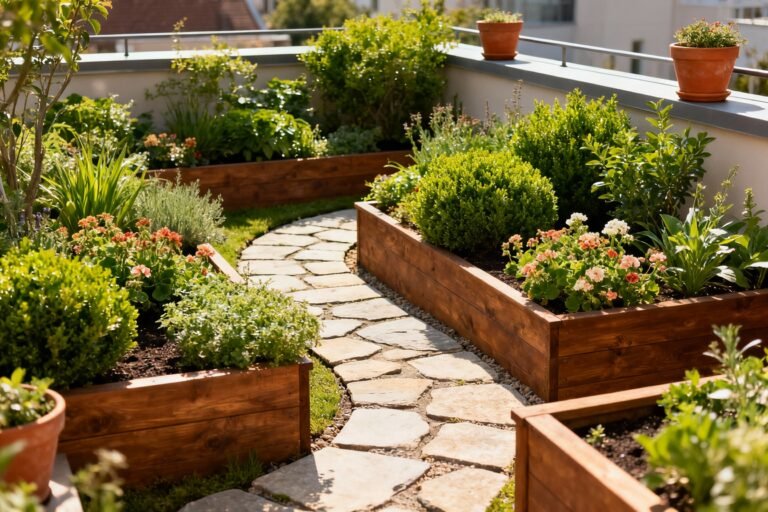
A low-maintenance garden starts with structure. If your beds and paths make sense, you’ll walk less, water smarter, and weed less often.
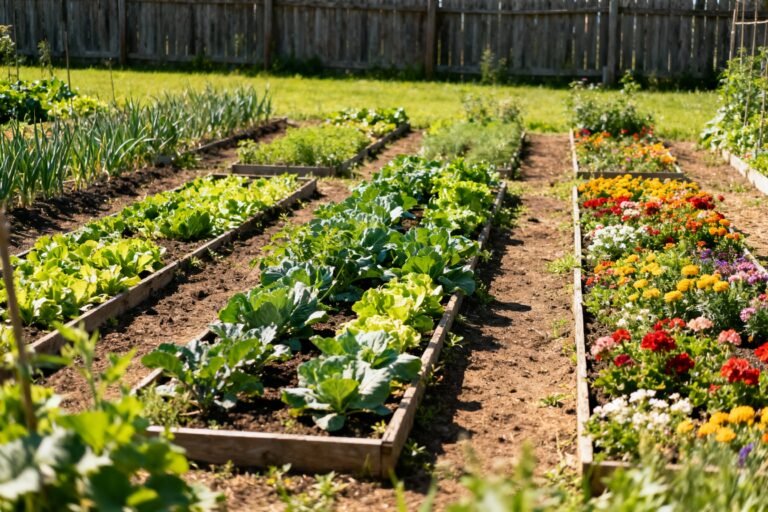
Keep beds narrow enough to reach the middle from either side—no acrobatics required.
- Use defined edges: Steel, brick, or stone edging keeps grass and mulch in place and stops sprawling plants from colonizing your paths.
- Choose permeable paths: Gravel, decomposed granite, or bark keeps weeds down and water flowing into the soil.
- Group plants by needs: Sun-lovers together, shade-lovers together, thirsty plants in one zone. Your hose will thank you.
Pro tip: Fewer, bigger beds
You’ll maintain two large beds way faster than eight tiny ones. Bigger beds mean fewer edges to weed and less path area to fuss over.
Go All-In on Mulch (Your Weeding Nemesis)
Mulch does more than make your garden look tidy.
It smothers weeds, holds moisture, protects soil, and keeps roots cool. Basically, mulch is the garden’s weighted blanket.
- Depth matters: Lay down 2–4 inches of organic mulch. Thin mulch = weeds.
Thick mulch = nope.
- Use the right type: Shredded bark, wood chips, or pine straw work well. Avoid dyed mulch near edibles.
- Top up annually: It breaks down and improves the soil (yay), but it also needs refreshers (still yay).
Sheet mulching for problem areas
If you’re battling weeds or starting fresh, lay cardboard over the soil, wet it, then mulch on top. Plants can go into cut holes.
It’s like hitting the weed reset button.
Automate the Water (Then Ignore It)
You can’t have a lazy garden without a lazy watering system. Set-and-forget irrigation saves plants from heat waves and you from guilt.
- Drip irrigation: Delivers water directly to roots, uses less water, and avoids leaf diseases. It’s the gold standard.
- Smart timer: Use a timer with a rain sensor or weather-based adjustments.
It waters when needed, not “just because it’s Tuesday.”
- Zones by thirst: Separate drought-tolerant beds from veggies. One size never fits all with water.
Maintenance that doesn’t annoy you
Run your system once a month in-season and check emitters. Clogged drip lines are sneaky.
Five minutes now saves plant drama later.
Plant the Right Crew: Tough, Beautiful, and Boringly Reliable
If you want a garden that works while you don’t, you need plants that don’t need you. Choose workhorses that suit your climate and soil.
- Think native or well-adapted: They handle your weather and pests like champs. Less coddling, more thriving.
- Evergreens for structure: Low-maintenance shrubs keep things looking alive in winter and tidy in summer.
- Perennials over annuals: Fewer planting sessions, more consistent color.
Save annuals for a few high-impact spots.
- Drought-tolerant stars: Lavender, salvia, sedum, yarrow, rosemary, thyme, ornamental grasses. Low drama, high style.
Limit the divas
Skip plants that need staking, daily deadheading, or constant pest control. IMO, if a plant needs therapy and a spreadsheet, it can live at the nursery.
Cover the Ground (So Weeds Don’t)
Bare soil invites weeds and lost weekends.
Fill every inch with groundcovers and living mulch. Looks lush and works hard—like a green carpet you never vacuum.
- Sun options: Creeping thyme, catmint, low-growing sedums, dwarf yarrow.
- Shade options: Sweet woodruff, pachysandra, lamium, mondo grass.
- Between stepping stones: Irish moss, elfin thyme, blue star creeper.
Plant densely
The best weed control? No space for weeds to exist.
Follow spacing recommendations, then cheat slightly closer for fast coverage.
Choose Containers That Don’t Babysit You
Container gardens can be high-maintenance—or not. Choose bigger, self-watering setups and call it a day.
- Go big: Large containers hold more soil, which means steadier moisture and fewer drought tantrums.
- Self-watering planters: Built-in reservoirs turn daily watering into weekly refills.
- Right soil mix: Use a high-quality potting mix with compost and perlite. Never garden soil in pots, FYI.
Pick the right plants for pots
Herbs like rosemary and thyme, dwarf shrubs, trailing sedum, and heat-loving annuals thrive in containers.
Skip thirsty drama queens unless you enjoy daily watering.
Design for Easy Care: Tools, Access, and Smart Choices
Make the garden easy to use and you’ll use it more. Silly, but true. Your future self will send thank-you notes.
- Put tools where you use them: A small stash of essentials in a weatherproof box near the garden eliminates excuses.
- Install soaker-friendly zones: Raised beds with capped corners for irrigation lines keep things tidy and upgradeable.
- Pick slow-growers: Choose shrubs and trees that stay within bounds.
Less pruning = more weekends.
- Use plants as mulch: Layering (trees, shrubs, perennials, groundcovers) shades soil and reduces watering.
Make maintenance a loop, not a saga
Design a simple path that loops past all beds, compost, and hose bibs. One loop while you sip morning coffee = a quick check and done.
Let Nature Help: Pollinators, Predators, and Soil Life
You can’t outwork nature—so recruit it. When your garden feeds the good guys, they handle the bad guys.
- Plant for pollinators: Mix bloom times and flower shapes.
Bees and butterflies boost veggie yields and overall ecosystem health.
- Invite predators: Ladybugs, lacewings, birds, and frogs eat pests for free. Provide water and shelter and let them clock in.
- Feed the soil: Add compost once or twice a year. Healthy soil grows resilient plants that shrug off stress.
Compost without the drama
Use a covered tumbler or two-bin system.
Add kitchen scraps and brown materials, turn occasionally, and skip the overthinking. It doesn’t need to smell—or become a raccoon buffet.
FAQ
How do I water less without killing everything?
Upgrade to drip irrigation, mulch deeply, and group plants by water needs. Choose drought-tolerant varieties and water infrequently but deeply.
Your plants will root down instead of panicking at the surface.
What’s the easiest way to reduce weeding?
Mulch 2–4 inches, plant densely, and edge your beds. Block the light and weeds give up. For stubborn areas, use cardboard under mulch to smother the seed bank.
It feels sneaky because it is.
Do I need to fertilize if I compost?
Often, no. Compost improves soil structure and slow-feeds plants. If something looks hungry, spot-treat with an organic fertilizer.
Think “as-needed,” not “every Sunday like a ritual.”
Can I have color without constant deadheading?
Absolutely. Choose long-blooming perennials like coneflower, black-eyed Susan, and catmint, plus shrubs like spirea and hydrangea. Many modern varieties bloom without babysitting.
Deadhead if you want, not because you must.
What about lawns? Are they worth the effort?
Lawns eat time and water. If you love the look, shrink it.
Replace edges or tough-to-mow patches with groundcovers or no-mow fescues. IMO, lawns are fine—but they shouldn’t run your life.
Will a low-maintenance garden still look lush?
Yes, if you design with layers and texture. Mix evergreen structure, seasonal flowers, and groundcovers.
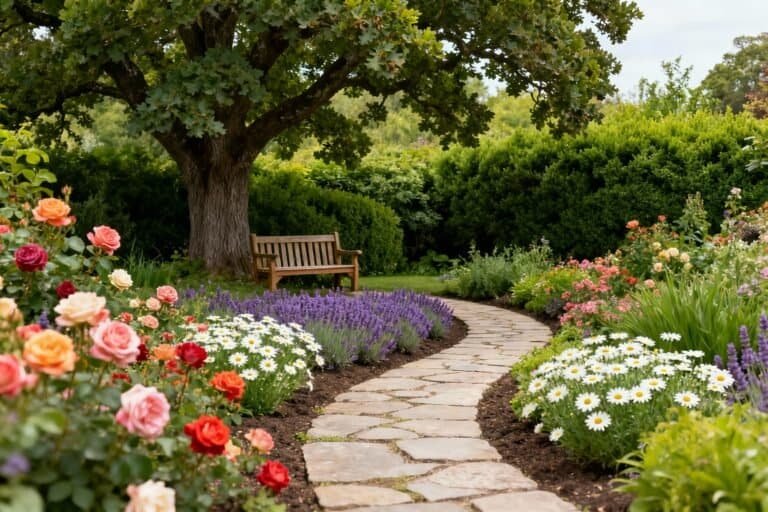
Add a couple of focal points (a pot, a small tree, a bench) and the whole space feels intentional—without extra work.
Conclusion
Design your garden to run on autopilot, and you’ll trade chores for chill time. Build strong bones, mulch like you mean it, automate the water, and plant tough beauties that don’t need pep talks. Nature will handle the rest.
You? You’ll be busy “gardening” from the hammock, FYI.