6 Things You Need To Know About Succulents Needing Proper Drainage
Succulents look tough, but they have one non-negotiable: they hate wet feet. If water sits around their roots, they sulk, rot, and ghost you in a week. Give them fast drainage and they’ll thrive with minimal fuss.
Want plump leaves and zero drama? Let’s talk about getting water in, and more importantly, out.
Why Drainage Makes or Breaks Your Succulents
Succulents store water in leaves and stems, so they don’t need soggy soil hanging around like a bad roommate. When water lingers, roots can’t breathe and fungi throw a party.
Rot follows fast. Good drainage means two things: water runs through the soil quickly, and excess water has somewhere to go. Nail both, and your succulents will love you for years. Miss either, and it’s mush-city.
Pot Choice: Holes Or Bust
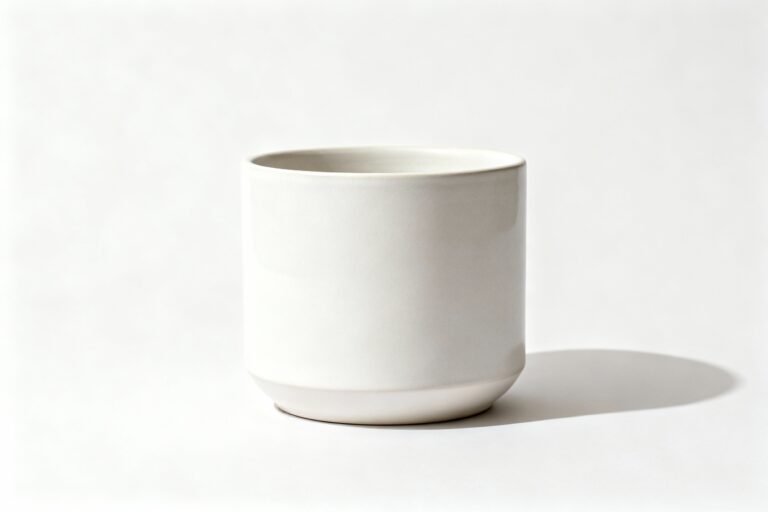
If a pot doesn’t have a drainage hole, it’s a decorative vase, not a planter.
I don’t make the rules—succulents do. Always choose pots with at least one open hole at the bottom.
But what about “no-hole” pots?
You have options:
- Double-potting: Place a plastic nursery pot (with holes) inside your cute, no-hole cachepot. Pour out any water that collects in the outer pot.
- Drill a hole: Ceramic and terracotta can often be drilled with the right bit. Safety goggles on, hero.
- Use strictly as decor: Keep the plant in a real pot and drop it in just for looks.
Fake it till you make it.
Terracotta vs. Ceramic vs. Plastic
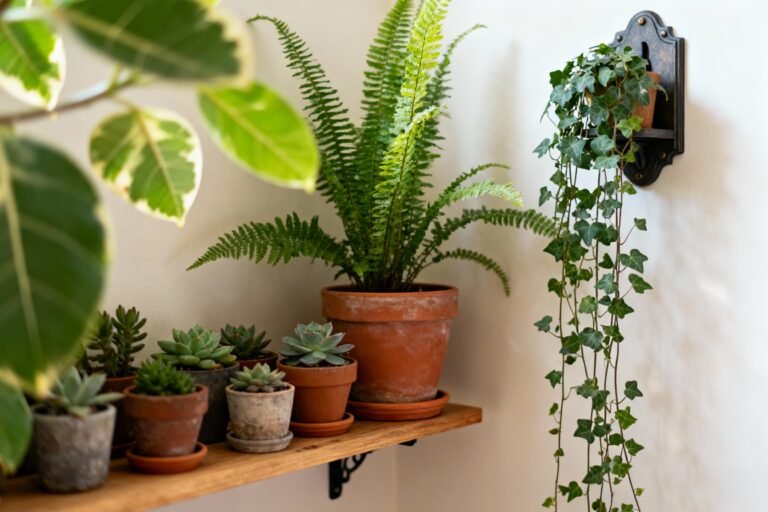
- Terracotta: Breathable, dries fast, great for beginners and over-waterers.
- Glazed ceramic: Holds moisture a bit longer, still solid if it has drainage holes.
- Plastic: Lightweight, cheap, but retains more moisture—better for hot climates where soil bakes dry.
Soil Mix: Fast, Gritty, and Lean
Succulent roots want air pockets and quick-drying soil.
Regular potting mix holds too much water. You need a gritty, well-draining blend.
Easy DIY Succulent Mix
Aim for a 1:1 ratio of organic to inorganic:
- 1 part cactus mix (or light potting mix)
- 1 part mineral grit like pumice, perlite, or coarse sand
Want the turbo version? Try:
- 1 part cactus mix
- 1 part pumice
- 0.5 part coarse sand
FYI, pumice beats perlite in stability and doesn’t float. Perlite still works and costs less—do what your wallet says.
What to avoid
- Moisture control mixes: They hang onto water.
Your plant does not consent.
- Fine sand or dirt: It compacts and suffocates roots.
- Compost-heavy blends: Great for tomatoes, terrible for Echeveria.
Watering Strategy: Deep, Then Wait
You can use the best pot and grit, and still drown your plant if you water like it’s a fern. Water thoroughly, then wait until the soil is bone dry. No half sips.
The “soak and dry” method
- Water until it runs out the bottom.
- Let the pot drain completely—no saucer puddles.
- Wait until the top 2 inches feel dry and the pot feels light before watering again.
Season matters. In warm, bright months, you’ll water more. In winter or low light, you might water every 3–4 weeks.
IMO, it’s better to underwater than overwater.
Light and Airflow Boost Drainage
Drainage isn’t just a pot thing—light and airflow help the soil dry faster and keep roots happy. Give succulents bright, direct light for several hours a day if possible.
Airflow hacks
- Don’t cram plants too close together—crowding traps humidity.
- Use a fan indoors if your space feels stuffy.
- Rotate plants for even light and drying.
Low light = slower drying = heightened rot risk. If leaves stretch and soil stays wet, bump up the light or grit.
Common Myths That Kill Drainage
Let’s bust a few legends that refuse to die.
- Myth: “Add rocks at the bottom for drainage.” Nope. That raises the water table and keeps roots wetter.
Use a hole and a gritty mix instead.
- Myth: “A little water every day is gentle.” It’s actually a slow drowning. Water deeply, then wait.
- Myth: “All succulents like the same soil.” Some, like Haworthia and Gasteria, tolerate a bit more moisture. Others, like Lithops, want extra grit and ruthless dryness.
- Myth: “Bottom watering prevents rot.” It can still oversaturate.
It also leaves salts behind. Use top watering and flush occasionally.
Diagnosing Drainage Problems
Something looks off? The plant tells you if water isn’t moving right.
Signs you need better drainage
- Mushy leaves, black stems, or a sour smell: Root rot incoming.
- Leaves yellowing and dropping from the base: Overwatering plus poor airflow.
- Soil stays wet for 5+ days: Not enough grit, low light, or no airflow.
Quick fixes
- Repot into a gritty mix and a pot with a drainage hole.
- Trim off rot, let the plant callus for 1–2 days, then replant in dry soil.
- Water less often and increase light.
Advanced Tips For Overachievers
Want to go pro?
Try these extras.
- Top dress with rocks (2–5 mm gravel) to keep leaves dry and reduce fungus gnats. It won’t fix bad soil, but it helps.
- Add mesh over the hole to stop soil loss while keeping flow. A coffee filter works in a pinch.
- Use pumice-heavy blends (up to 70% mineral) for rot-prone species or humid homes.
- Match pot size to root ball: Oversized pots hold extra moisture.
Snug fits dry faster.
- Leach salts every 2–3 months by flushing the pot thoroughly, then letting it drain completely.
FAQ
Can I grow succulents in pots without drainage if I’m careful?
Technically yes, practically no. You need perfect timing, tiny water amounts, and constant vigilance. One slip and rot happens.
Use a nursery pot inside the decorative one and you’ll keep the look without risking the plant.
How do I know if my soil drains fast enough?
Water the pot, then time it. If water pools on top for more than a few seconds or the soil stays wet for more than 3–4 days, it’s too dense. Add more pumice or perlite and consider a smaller pot or brighter spot.
What’s the best mix for indoor succulents?
For most homes, a 50–70% mineral blend (pumice/perlite/sand) with 30–50% cactus mix works great.
Indoors usually means lower light and slower evaporation, so go grittier. FYI, if your air is super dry and bright, you can dial back the grit slightly.
Do trays or saucers cause problems?
They’re fine as long as you empty them. Don’t let water sit under the pot.
If you forget often (same), slip a cork or riser under the pot so air can move and water doesn’t wick back up.
Why does my succulent wrinkle even though I water?
Wrinkling can mean dehydration, but it can also mean root rot from chronic wetness. Check the roots. If they’re firm and white, water a bit more often.
If they’re brown and mushy, repot into a gritty mix and cut back on watering.
Is top dressing necessary?
Not required, but helpful. It keeps leaves clean, discourages gnats, and improves airflow at the soil surface. Just remember: it’s not a substitute for a real fast-draining mix.
Conclusion
Succulents don’t ask for much—just bright light, a gritty mix, and a way for water to leave the premises. Pots with holes, fast-draining soil, and smart watering will save you from mushy-leaf heartbreak.
Get those basics right and your plants will repay you with glossy rosettes, new pups, and zero drama. IMO, that’s the easiest plant win you can get.