9 Expert Tips For Dwarf Fiddle Leaf Fig Care At Home
Tiny tree vibes, big plant energy. That’s the dwarf fiddle leaf fig in a nutshell. It gives you those iconic violin-shaped leaves without the “I demand a sunroom and a butler” attitude of its full-size cousin.
But yes, it still has opinions. If you want those glossy leaves to thrive (and not throw tantrums), here are nine pro tips you can actually follow at home.
Know Your Dwarf: What Makes It Different
The dwarf fiddle leaf fig (Ficus lyrata ‘Bambino’ or similar compact cultivars) grows shorter with tighter leaf spacing. You get the drama without the eight-foot ceiling problem.
It still wants light, decent humidity, and a stable routine. FYI: Dwarfs don’t automatically mean “low-maintenance.” They just save you from buying a ladder.
1) Give It Bright, Indirect Light (But Don’t Bake It)
Place your dwarf fiddle near a bright window with filtered light. Think east or bright north exposure, or a few feet back from a sunny south/west window.
- Too little light: Small, dull leaves and leggy growth.
- Too much direct sun: Crispy edges and faded patches.
- Sweet spot: Bright room, gentle direct morning sun is okay.
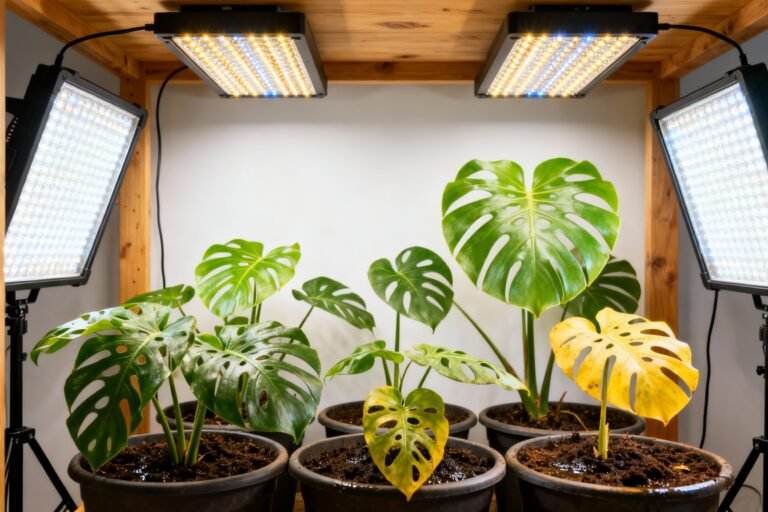
Grow Light Backup
No bright windows? Use a full-spectrum LED grow light 12–18 inches above the plant for 8–12 hours a day.
Set a timer and forget it. Your plant will think it moved to a nicer neighborhood.
2) Water Deeply, Then Wait (Your Soil Matters)
Fiddles hate soggy feet and bone-dry neglect. Use the soak-and-dry method.
- Water thoroughly until it drains from the bottom.
- Let the top 1–2 inches of soil dry before watering again.
- Empty saucers after 10–15 minutes so roots don’t stew.
Pro tip: Stick a wooden chopstick deep into the soil.
If it comes out mostly clean and dry, it’s time to water. If it’s damp or muddy, wait.
The Right Potting Mix
Use a chunky, airy mix:
- 2 parts high-quality potting soil
- 1 part perlite or pumice
- 1 part pine bark or coco chips
This combo keeps roots oxygenated and happy. IMO, premade “aroid mixes” also work great.
3) Keep Temperatures Stable (No Draft Drama)
Aim for 65–80°F (18–27°C).
Sudden cold or hot blasts cause leaf drop faster than you can say “what happened.”
- Keep it away from AC vents, heaters, drafty doors, and fireplaces.
- Avoid temps below 55°F (13°C). That’s a hard nope.
FYI: Big temperature swings = sulking plant. Consistency wins.
4) Humidity: Not Tropical, But Not Crispy
Fiddles appreciate 40–60% humidity.
Most homes live at 30–40%, especially in winter.
- Use a small humidifier near the plant (best option).
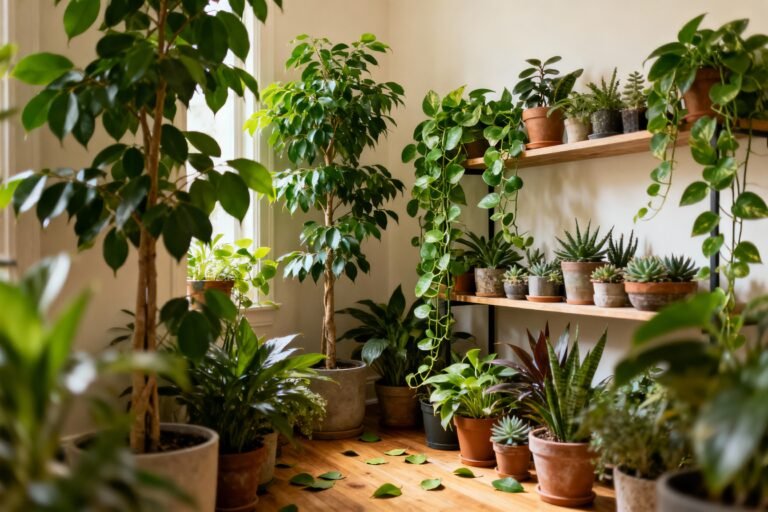
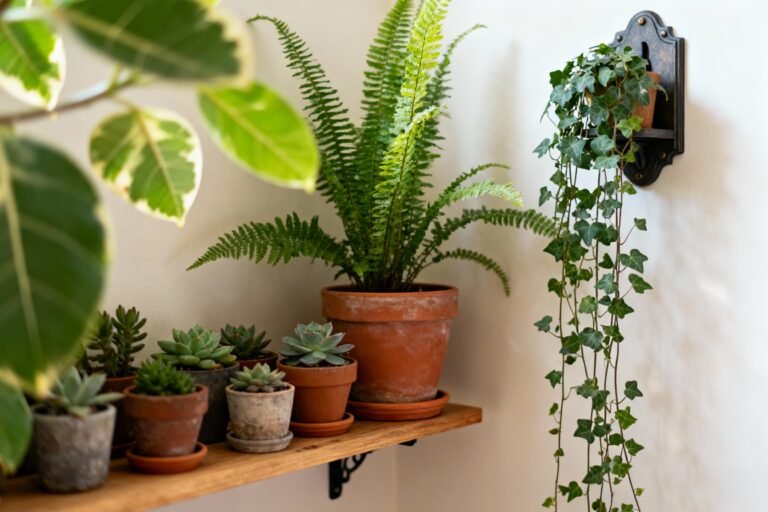
- Group plants together to create a mini microclimate.
- Optional: a pebble tray can give a small boost.
Misting? Cute, but it evaporates fast and doesn’t move the needle much. Save the spritzing for your face, not your fig.
5) Feed for Glossy Growth (But Don’t Overdo It)
During spring and summer, fertilize lightly and regularly.
In fall and winter, slow down.
Fertilizer Routine That Works
- Growing season: Use a balanced liquid fertilizer (like 3-1-2) at half strength every 4–6 weeks.
- Dormant months: Once every 8–10 weeks or not at all if growth stalls.
- Flush salts: Every few months, water thoroughly to wash out any buildup.
If leaves look pale or growth slows in bright conditions, a gentle feed usually perks it up.
6) Prune, Shape, and Clean Leaves
Dwarf fiddles still need grooming. Prune for shape, remove damaged leaves, and keep that foliage dust-free.
- Pruning: Use clean shears to snip above a node to encourage branching.
- Cleaning: Wipe leaves with a damp cloth every month. They photosynthesize better and look like they pay rent.
- Stakes: If the plant leans, stake gently with soft ties.
Pinching for Bushiness
Pinch the tip (the very top growth point) to encourage side branches.
Do this in spring for best results. Your dwarf will puff out nicely.
7) Pot Size and Repotting: Don’t Rush It
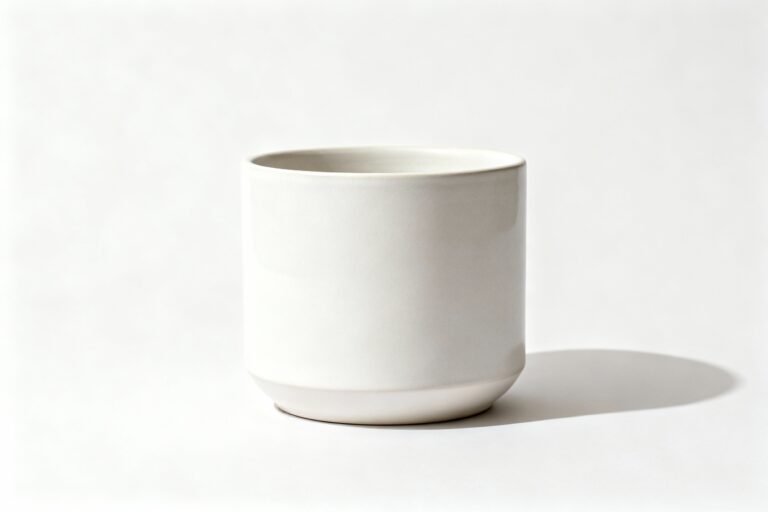
Repot every 1–2 years, or when roots circle and peek from drainage holes. Choose a new pot only 1–2 inches wider than the current one.
- Oversized pots hold extra moisture and can suffocate roots.
- Use pots with drainage.
No drainage = slow sadness.
- Spring is the best time to repot for quick recovery.
IMO: Terracotta works great because it breathes and prevents overwatering.
8) Pest Patrol (Catch Them Early)
Spider mites, scale, and mealybugs love fiddles like it’s an all-you-can-eat buffet.
- Inspect leaves weekly, especially undersides and stems.
- At the first sign, isolate the plant and treat.
Simple Treatment Plan
- Shower the plant gently to knock off pests.
- Wipe leaves with diluted insecticidal soap or neem oil (test a leaf first).
- Repeat weekly for 3–4 weeks. Persistence beats everything.
9) Read the Leaves (They Tell the Truth)
Your plant broadcasts its feelings. You just need the translation.
- Brown crispy edges: Low humidity or underwatering.
- Brown soft spots: Overwatering or poor drainage.
- Yellowing from bottom up: Overwatering or root issues.
- Dropped leaves after moving: Shock.
Hold steady; it’ll adjust.
- Small new leaves: Not enough light or nutrients.
Keep a simple log of watering, feeding, and any changes. It turns you into a plant detective, minus the trench coat.
Common Setups That Work
- Bright window + sheer curtain + terracotta pot + chunky mix: Easy mode.
- Office corner + grow light + self-watering insert: Consistent and low-fuss.
- Dry home + humidifier + weekly leaf wipe: Glossy-leaf heaven.
FAQ
How big does a dwarf fiddle leaf fig get?
Most dwarfs top out around 2–4 feet indoors, with tighter spacing between leaves. Some may hit 5 feet over years if they’re spoiled rotten with light and care, but they stay compact compared to standard fiddles.
Can I keep it in low light?
You can try, but it’ll complain.
Expect slower growth, smaller leaves, and a lean toward the nearest window. If your space feels dim to your eyes, use a grow light. Your plant will stop side-eyeing you.
Why are the leaves dropping?
Leaf drop usually means stress: overwatering, sudden moves, cold drafts, or sharp changes in light.
Check the roots and soil moisture, stabilize the environment, and give it a couple of weeks. New growth equals recovery.
Should I mist my fiddle leaf fig?
Misting won’t hurt, but it won’t fix dry air either. If humidity sits under 35%, run a small humidifier instead.
That actually shifts the environment in a meaningful way.
Is bottom watering okay?
Occasionally, yes. But alternate with top watering so you flush salts and evenly hydrate the mix. Always let excess water drain away.
No standing water, ever.
Do I need to rotate the plant?
Yes. Rotate a quarter turn every week or two. It keeps growth even and prevents the “single-shoulder gym bro” look toward the window.
Conclusion
Dwarf fiddle leaf figs bring big-leaf drama without the spatial chaos.
Give yours bright indirect light, a chunky soil mix, deep-but-infrequent watering, and steady vibes. Prune a little, clean leaves, and keep an eye out for pests. Do that, and your tiny tree will reward you with glossy, Instagram-level foliage—no butler required.