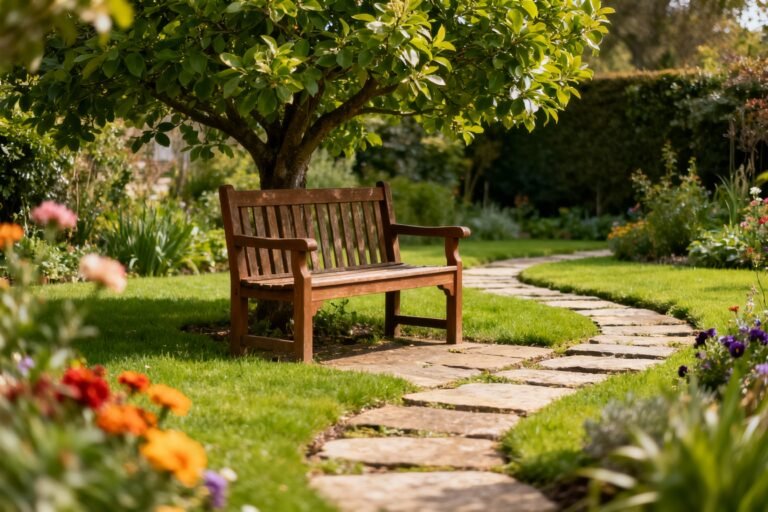
English Cottage Garden Ideas: Create a Charming and Cozy Outdoor Space
Imagine opening your back door and stepping into a riot of color, buzzing bees, and flowers tumbling over each other like they’re at a garden party. That’s the magic of an English cottage garden. It looks wild, but it hides a plan.
You’ll smell herbs, see roses snuggling up to foxgloves, and maybe trip over a very smug cat. Ready to grow your own little slice of floral chaos?
What Actually Is a Cottage Garden?
The cottage garden started as a practical food-and-medicine plot around humble homes. Over time, it evolved into a lush, romantic style that mixes flowers, herbs, fruit, and even veggies.
Think “happy abundance,” not “precision topiary.” Key vibe: densely planted borders, layered heights, a mix of perennials, self-seeders, and shrubs, with paths and structures that feel charming, not fussy. That “I woke up like this” look? Totally curated.
Don’t be fooled.
Designing the Look Without Losing Your Mind
You don’t need a manor house. You need structure… then exuberance. Start with bones, then add fluff.
- Define edges: low hedges, brick edging, or woven willow set boundaries for the wildness.
- Layer heights: tall at the back (hollyhocks, delphiniums), mid-height in the middle (roses, catmint), low at the front (lady’s mantle, violas).
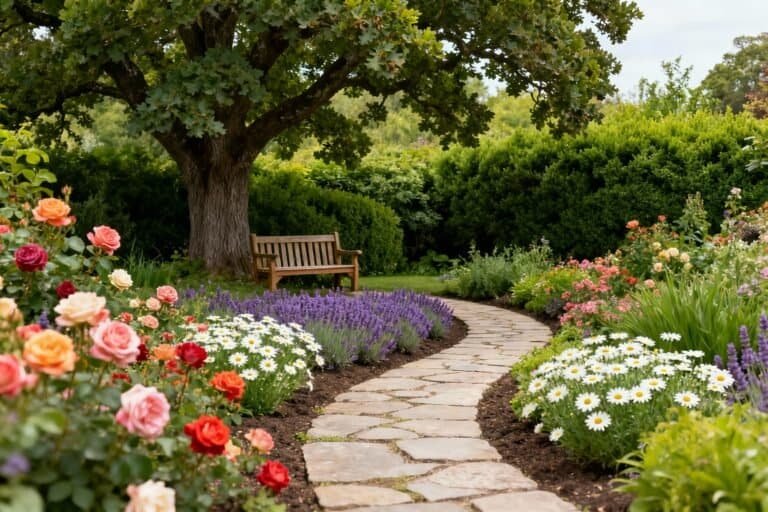
- Create a focal point: an arch with a climbing rose, a weathered bench, or a birdbath.
- Curved paths: gravel or brick paths invite wandering and make everything feel older (in a good way).
- Repeat colors: pick a palette and echo it so the garden looks cohesive, not chaotic.
Color Palettes That Always Work
- Soft romance: blush pinks, lavender, cream, and dusty blue.
- Country cheer: butter yellow, coral, sky blue, and white.
- Moody cottage: deep purples, burgundy, dusky rose, and silver foliage.
IMO, this one slaps.
Plants That Scream “Cottage” (In a Nice Way)
Mix classics with sturdy workhorses. You want long bloom times, fragrance, and texture. Bonus points for plants that feed pollinators.
Perennials and Biennials
- Roses (old garden and shrub types): ‘Gertrude Jekyll,’ ‘Munstead Wood,’ ‘Boscobel’ – repeat-flowering and scented.
- Foxgloves: those dramatic spires love partial shade and self-seed like pros.
- Delphiniums and lupines: vertical drama; stake them or regret it.
- Catmint (Nepeta): lavender-blue haze, long blooming, bees will write you thank-you notes.
- Hardy geraniums: groundcover with color; ‘Rozanne’ blooms forever, basically.
- Lady’s mantle: chartreuse clouds that make everything else pop.
Annuals and Self-Seeders
- Nigella (love-in-a-mist): airy and adorable; self-seeds politely.
- Cosmos: tall, easy, and cheerful; keeps the party going late season.
- Sweet peas: grow on trellises for fragrance and cottage cred.
- Calendula and cornflowers: bright fillers that pull colors together.
Herbs, Edibles, and Shrubs
- Lavender and rosemary: scent, structure, and drought tolerance.
FYI, perfect along paths.
- Thyme and chives: great edging and kitchen heroes.
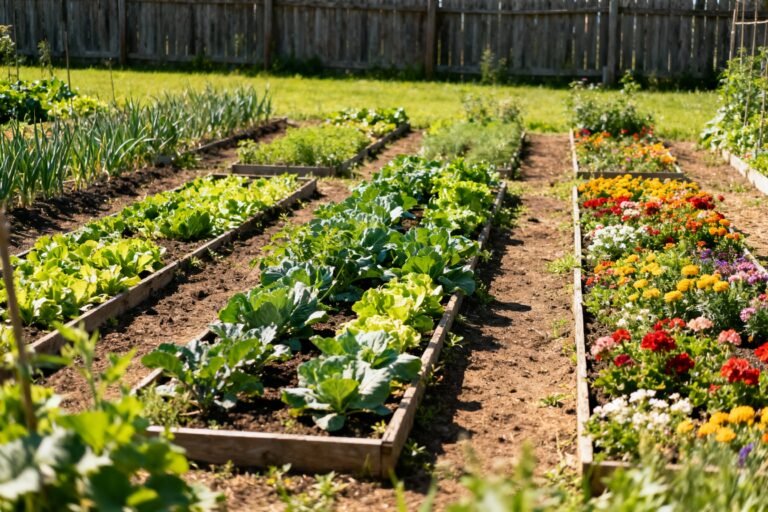
- Currants, gooseberries, or espaliered apples: edible and charming.
- Box or yew (for low hedges): provides that neat frame for messy beds.
Soil, Sun, and Simple Prep
You can’t fake good soil. Build it and your plants will do the heavy lifting.
- Sun: aim for 6+ hours. Mix in shade-lovers at the back or under shrubs if needed.
- Soil: add compost every season.
Your garden isn’t picky; it’s hungry.
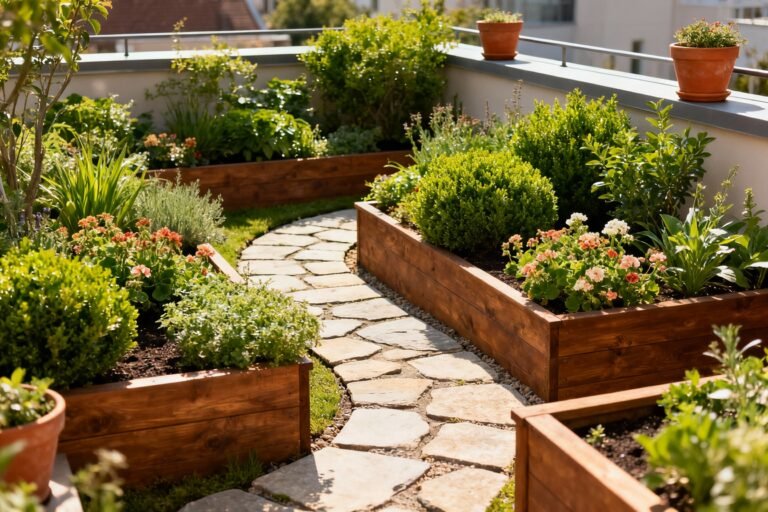
- Drainage: raised beds or gritty amendments if water lingers.
- Mulch: 2-3 inches keeps moisture steady and the weeds mostly embarrassed.
Planting Strategy That Actually Works
- Group in threes and fives: clumps look intentional, singles look lonely.
- Tuck and weave: fill gaps with annuals; let perennials bulk up over time.
- Stagger bloom times: early (tulips, wallflowers), mid (roses, foxgloves), late (dahlias, asters).
Low-Maintenance (For Real) Care
You’ll do some work, but not constant misery. Cottage gardens reward small, steady efforts.
- Water deeply, less often: train roots to go deep; drip hoses save time.
- Deadhead smartly: remove spent blooms on roses and cosmos to extend flowering.
- Let some seed: foxgloves and nigella will restock your beds for free. You’re welcome.
- Stake early: delphiniums and hollyhocks need support before the wind says hello.
- Prune shrubs after bloom: especially once-flowering roses and spring shrubs.
Pests and Problems (And Chill Solutions)
- Aphids: blast with water or invite ladybugs; a little soapy spray if needed.
- Powdery mildew: space plants, water soil not leaves, pick resistant varieties.
- Slugs: sharp grit, beer traps, or nighttime hand-picking.
It’s a vibe.
Paths, Arches, and All the Cute Extras
Structures make the magic feel anchored. Go classic, not plastic.
- Arbors and arches: train climbing roses, clematis, or sweet peas for a floral tunnel.
- Fencing: pickets, hazel hurdles, or low hedges add boundaries and charm.
- Seating: a bench half-hidden by roses turns your garden into a storybook.
- Containers: terracotta pots with lavender or strawberries fill awkward corners.
- Wildlife perks: birdbaths, bee hotels, and shallow dishes for pollinators.
Seasonal Touches
- Spring: bulbs + wallflowers = instant romance.
- Summer: peak bloom; keep deadheading and watering.
- Autumn: asters, dahlias, seed heads for birds, and ornamental grasses.
- Winter: structure shines—evergreens, seed heads, and frosted rose hips.
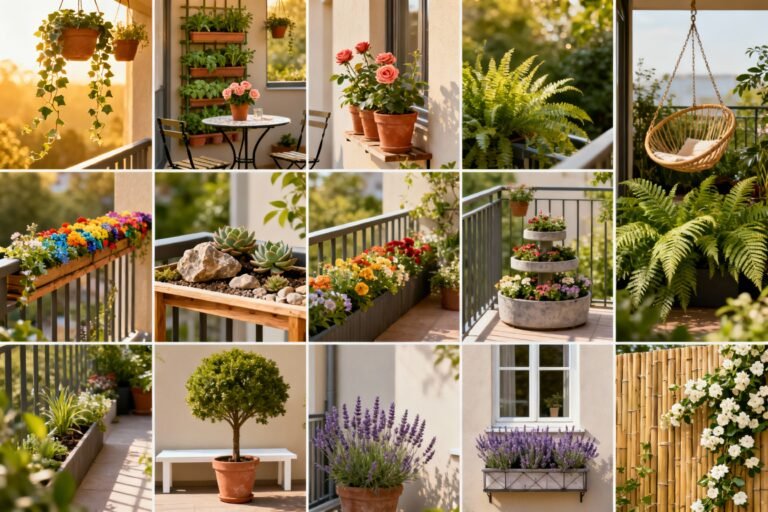
Mini Cottage Garden for Small Spaces
No yard? No problem.
You can fake it like a pro on a patio or tiny patch.
- Vertical first: trellis with sweet peas or a compact climbing rose.
- Layer containers: tall planter in back (delphinium), mid pot (catmint), low bowls (thyme, violas).
- Fragrance matters: lavender by the door, mint in a pot (trust me: pot it).
- Color control: limit to 3-4 hues so it feels lush, not loud.
Common Mistakes to Dodge
We’ve all done at least one of these. Learn from our chaos.
- Overcrowding too soon: leave room for growth; fill with annuals the first year.
- Ignoring height: tall plants shade out shorter buddies if you don’t layer correctly.
- Too many divas: pick reliable bloomers; a garden of fussy rarities equals heartbreak.
- No winter structure: add evergreens or topiary so it doesn’t look sad in January.
- Skipping soil prep: compost now, fewer problems later. IMO, it’s the best investment.
FAQ
Do I need super fertile soil for a cottage garden?
Not super fertile, just healthy.
Mix in compost and organic matter each season, and you’ll improve structure and drainage. Many cottage plants thrive in average soil as long as you feed it a little love.
Can I grow a cottage garden in partial shade?
Yes, with the right plants. Go for foxgloves, lady’s mantle, hardy geraniums, and certain roses that tolerate light shade.
Brighten with silver foliage and white blooms to keep it luminous.
How long until it looks “full”?
Usually 2-3 seasons. Perennials need time to bulk up. Use annuals and self-seeders the first year to fake fullness while the long-term stars get comfy.
Are cottage gardens high maintenance?
They require regular little tasks, not marathon weekends.
Water deeply, deadhead a bit, stake tall plants, and add compost. Ten minutes here and there beats a full overhaul later.
What roses work best for beginners?
Choose disease-resistant shrub or English roses that repeat flower. Look for varieties noted for blackspot resistance and strong fragrance.
Pair with catmint or lavender for easy companion planting.
Do I need a strict plan?
Have a loose framework—paths, focal points, height layers—then let plants mingle. The charm comes from abundance and serendipity. Controlled chaos is the goal.
Conclusion
A cottage garden doesn’t ask for perfection.
It asks for curiosity, a bit of compost, and the courage to plant generously. Start with structure, layer in color and scent, and let nature do her thing. Soon you’ll step outside and think, “Yep—this is the good stuff.”