Beautiful Farm Garden Ideas to Transform Your Outdoor Space
You don’t need acres of land or a tractor named Gary to grow a farm garden. You just need a patch of soil, a bit of patience, and the willingness to get your hands dirty. Farm gardens blend the productivity of a small farm with the charm of a backyard plot.
Want baskets of veggies, buzzing pollinators, and a mini produce aisle at your doorstep? Let’s dig in.
What Exactly Is a Farm Garden?
Think of a farm garden as the love child of a homestead and a backyard garden. You aim for real harvests—vegetables, fruit, herbs, maybe even cut flowers—without going full pioneer.
You plan beds, rotate crops, build soil, and harvest enough food to matter. Key idea: You create a small, efficient system that feeds your kitchen, your compost, and your soul. Oh, and you’ll accidentally become that person who gives away zucchini.
Designing Your Layout (Without Losing Your Mind)
You don’t need graph paper, but a little planning saves frustration later. Start simple and scale.
- Pick your sunniest spot. Most crops need 6–8 hours of direct sun.
No sun? Pivot to greens, herbs, and shade-tolerant crops.
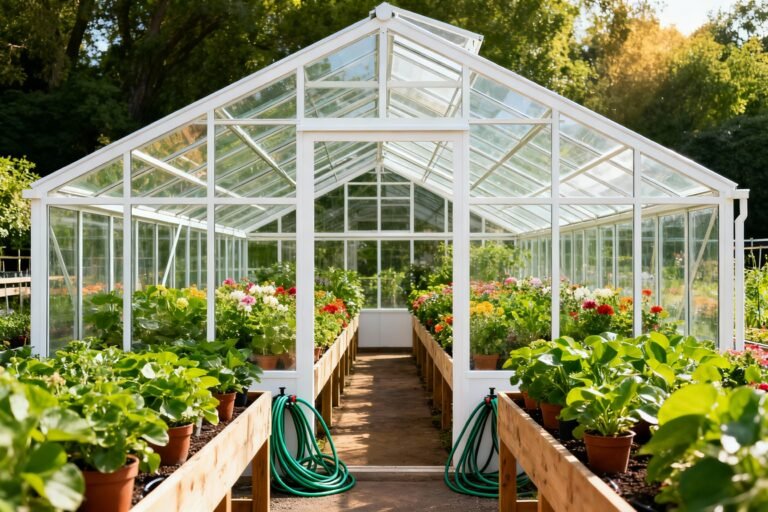
- Use beds, not rows. Raised or in-ground beds (3–4 feet wide) beat long rows for home scale. You reach everything without stepping on soil.
- Make paths permanent. Mulch them thick.
You’ll thank yourself when it rains.
- Plan for water. Place beds near a spigot or run drip irrigation. Watering cans are cute… for one day.
Bed Types: Raised vs. In-Ground
- Raised beds: Warm up fast, look tidy, ideal for poor or compacted soil.
Downsides: cost and dry out quicker.
- In-ground beds: Cheap, hold moisture, scale easily. Downsides: more weeding if you skip mulch, soil quality matters.
Sample Layouts
- Small yard (2–4 beds): 4×8 beds, one trellis for vining crops, herb border.
- Ambitious (6–10 beds): Dedicated beds for roots, leafy greens, fruiting crops, and a cut-flower strip for pollinators.
Soil: The Secret Sauce
No soil, no garden. Well, technically you still have a garden, but it sulks.
Focus here and you’ll win.
- Test your soil. pH and nutrients tell you what to add. FYI: Most veggies prefer 6.0–7.0 pH.
- Add organic matter. Compost, aged manure, leaf mold—these feed microbes and improve structure.
- Don’t till constantly. You shred soil life. Try broadforking or layer compost on top and let worms work.
- Mulch like a pro. Straw, leaves, or wood chips on paths.
Mulch keeps moisture in and weeds out.
Fertility Basics
- Compost: Broadly useful, low risk of burn.
- Organic fertilizers: Blood meal (nitrogen), bone meal (phosphorus), kelp (micronutrients). Use modestly; plants aren’t teenagers.
- Cover crops: Clover, rye, or vetch add nutrients and protect soil in off seasons.
What to Grow (And What to Skip)
Grow what you eat, not what your neighbor flexes on Instagram. Tomatoes look great online, but do you actually want ten pounds a week? Beginner-friendly winners:
- Leafy greens: Lettuce, kale, chard.
Fast, forgiving, constant harvest.
- Roots: Carrots, beets, radishes. Radishes are basically instant gratification.
- Fruiting crops: Cherry tomatoes, cucumbers, zucchini. Set up a trellis and watch them climb.
- Herbs: Basil, parsley, thyme, chives.
Flavor boosters that don’t demand much.
Maybe skip (at first):
- Big space hogs: Pumpkins, winter squash, corn. Fun, but they eat real estate.
- Fussy divas: Cauliflower. Perfect weather or bust.
Succession Planting: More Harvest, Same Space
Plant small batches every couple weeks.
Replace harvested crops immediately.
- After spring peas, plant bush beans.
- After garlic, plant late-summer greens or carrots.
- After early lettuce, tuck in basil or cucumbers.
Watering, Weeding, and the “I Only Have 20 Minutes” Routine
You don’t need to babysit your garden daily, but a quick routine keeps chaos at bay.
- Water deeply, less often. Aim for 1 inch per week. Drip lines with a timer = sanity.
- Weed early and often. Five minutes every other day beats weekend marathons.
- Mulch everything. It’s your weed insurance policy.
- Harvest on time. Overgrown cucumbers taste like regret.
Time-Saving Tools
- Hori-hori knife: dig, weed, cut twine—your garden multitool.
- Stirrup hoe: scuffle weeds fast between plants.
- Pruners: keep tomatoes and herbs in line.
Pests, Diseases, and the Circle of Life
Some critters want a bite. You can handle it without turning your garden into a chemical experiment.
- Prevention first: Healthy soil, good spacing, and airflow prevent most issues.
- Row covers: Physical barriers stop cabbage worms, beetles, and moths cold.
- Hand-pick: It’s oddly therapeutic.
Into a soapy water cup they go.
- Encourage predators: Plant flowers like alyssum, calendula, and dill to attract ladybugs and lacewings.
Common Issues and Fixes
- Powdery mildew on squash: Improve airflow, prune leaves, water soil not leaves; try potassium bicarbonate sprays.
- Tomato blossom-end rot: Irregular watering and calcium imbalance. Mulch, water consistently.
- Aphids: Blast with water, use insecticidal soap, bring in beneficials.
Adding Fruit and Perennials
Want long-term payoff? Layer in perennials slowly.
- Berry patch: Strawberries, raspberries, blueberries.
Warning: birds also love them.
- Asparagus and rhubarb: Plant once, harvest for years. Patience required.
- Herb perennials: Thyme, oregano, sage, mint (in containers unless you enjoy mint everywhere).
Espalier and Trellises
Train apples or pears flat against fences. You save space, it looks fancy, and you feel like a garden wizard.
IMO, trellising cucumbers and peas also boosts yield and keeps fruit clean.
Make It Beautiful (Because You’ll Be Out There a Lot)
Functional doesn’t mean boring. Mix in flowers, textures, and structure.
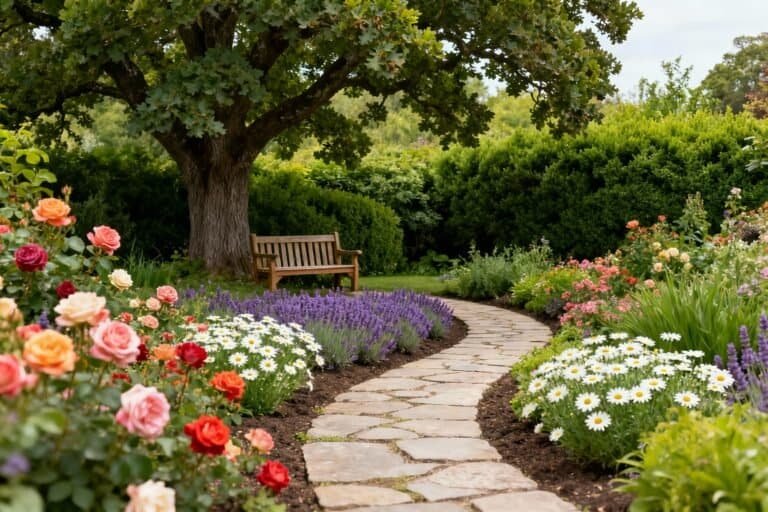
- Pollinator strips: Zinnias, marigolds, sunflowers, cosmos—beauty plus beneficial insects.
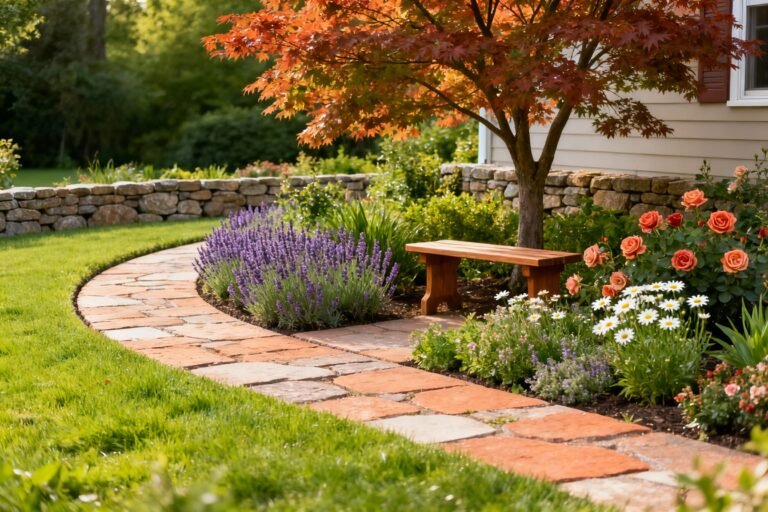
- Edges and borders: Brick or wood edges make beds look intentional.
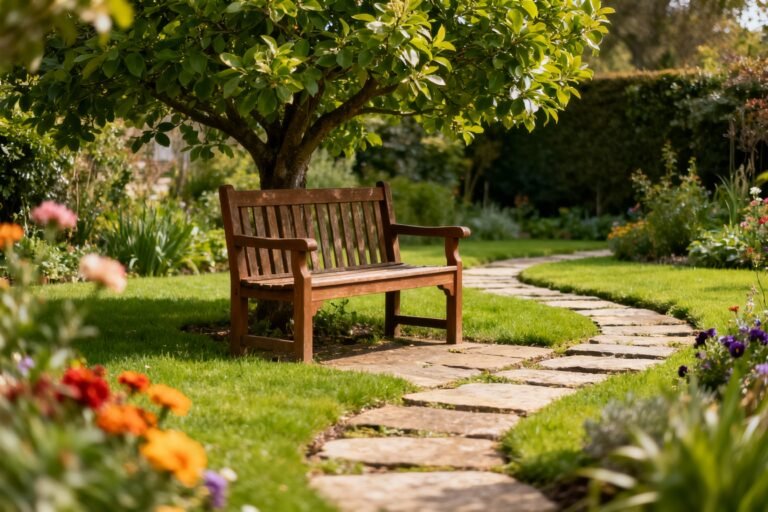
- Seating: A simple bench turns harvest time into hangout time.
- Compost corner: Tuck it in the back with easy access. Black gold factory.
Harvest, Store, Repeat
You grew it—now don’t waste it.
- Cut-and-come-again: Harvest outer leaves of kale and lettuce regularly.
- Quick storage: Greens go in a container with a paper towel; root crops like cool, humid conditions.
- Preserve extras: Freeze pesto, can tomatoes, dehydrate herbs.
FYI, a small chest freezer pays off fast.
FAQ
How much space do I need for a productive farm garden?
You can feed a couple people salads and herbs with two 4×8 beds. With 6–8 beds, you’ll harvest greens, roots, and fruiting crops most of the year. Add a few containers for herbs and you’re golden.
Do I really need raised beds?
Nope.
Raised beds help in poor soil or wet areas, but in-ground beds with compost and mulch can perform just as well. Choose what fits your budget, climate, and aesthetic.
How do I keep animals out without building a fortress?
Use a 4-foot welded wire fence for dogs and garden-raiding toddlers. For rabbits, add 1-inch mesh at the bottom.
For deer, either go 7–8 feet high or use a double fence with 3–4 feet between—deer hate depth perception puzzles.
What should I plant first if I’m brand new?
Start with lettuce mixes, kale, radishes, bush beans, cherry tomatoes, basil, and cucumbers. They forgive mistakes, produce fast, and make meals feel fancy with minimal effort.
Is composting complicated?
Not really. Mix browns (dry leaves, cardboard) and greens (kitchen scraps, grass), keep it moist like a wrung-out sponge, and turn it occasionally.
Or go lazy: pile it up and wait longer—nature still does the work.
Can I garden if I only have shade?
Yes, but manage expectations. Grow leafy greens, herbs like mint and chives, and experiment with peas. Skip high-sun divas like tomatoes and peppers unless you can find a sunnier spot.
Conclusion
A farm garden turns your yard into a tiny ecosystem that feeds you and looks great doing it.
Plan simple beds, build rich soil, plant what you love, and keep a light, steady routine. You’ll harvest more than food—you’ll get fresh air, small daily wins, and a new excuse to talk about compost at parties. IMO, that’s a solid trade.
Now grab a trowel and start small. Your future self (and your dinner plate) will be very pleased.