Fern Plant Care Guide: How to Grow Lush, Healthy Ferns Indoors
Ferns look like tiny prehistoric forests you can keep on a shelf. They don’t flower, they don’t fruit, and yet they manage to steal the spotlight with those lush, feathery fronds. If you’ve ever wanted “instant jungle” vibes without the drama of high-maintenance divas, you’ve met your plant.
Let’s talk fern magic, minus the fluff and plus the practical.
Meet the Fern: A Plant With Serious History
Ferns are ancient. Like, dinosaur-era ancient. They’ve been around for over 360 million years and still rock the same simple formula: fronds, spores, and pure green elegance.
No blooms, no seeds, just a clever life cycle and a flair for texture. You’ll find them everywhere—under trees, clinging to rocks, trailing in hanging baskets, or starring in terrariums. They love humidity and soft light, and they repay good care with ridiculously lush growth.
And FYI: indoor ferns can absolutely thrive if you understand a few basics.
Fern Basics: What They Need to Thrive
Ferns aren’t complicated. They just want consistency. Here’s the quick-start guide:
- Light: Bright, indirect light.
Think “sunny room, but no sunbeams on the leaves.”
- Water: Keep soil evenly moist, not soggy. They hate drought and also hate soggy roots. Balance is the move.
- Humidity: Aim for 50–70% humidity.
Bathrooms, kitchens, or a humidifier = happy fern.
- Soil: Loose, airy, and fast-draining. A peat-free houseplant mix plus extra perlite or bark works great.
- Temperature: Most house ferns love 60–75°F (15–24°C). Drafts and heat vents are the enemy.
Watering Without the Guesswork
Stick your finger in the soil.
If the top half-inch feels dry, water thoroughly until it drains out the bottom. Dump the saucer after 10 minutes. If you forget and it dries to dust?
Your fern will pout, drop fronds, and make you feel like a plant villain.
Popular Ferns and Their Personalities
Ferns aren’t one-size-fits-all. Some behave like angels; others bring drama. Here are a few winners:
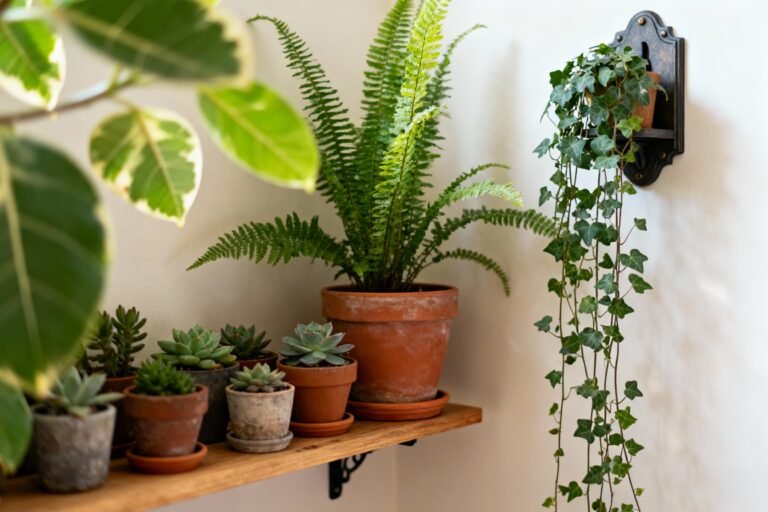
- Boston Fern (Nephrolepis exaltata): Big, classic, and fluffy.
Loves humidity. Hanging basket royalty.
- Bird’s Nest Fern (Asplenium nidus): Wavy fronds, easygoing, tolerates lower humidity. Great starter fern.
- Maidenhair Fern (Adiantum): Delicate, gorgeous, and high-maintenance.
IMO, worth the effort if you like a challenge.
- Staghorn Fern (Platycerium): Mounted on wood like living art. Water by soaking. Total conversation piece.
- Button Fern (Pellaea rotundifolia): Cute round leaflets, slightly more drought-tolerant than most ferns.
- Kangaroo Paw Fern (Microsorum diversifolium): Tougher than it looks, tolerates drier rooms.
Great for beginners.
Which One Should You Get?
– Hate misting and babysitting? Bird’s Nest or Kangaroo Paw. – Want dramatic, lush vibes and can offer humidity? Boston Fern. – Love finicky divas? Try Maidenhair. Don’t say I didn’t warn you.
How to Keep Ferns Looking Lush (Not Crispy)
Crispy tips?
Droopy fronds? Don’t panic. Tweak these:
- Humidity Boost: Use a humidifier.
Trays with pebbles help a bit. Group plants together for a microclimate.
- Consistent Watering: Schedule it. Lightly moist soil = thriving fern.
Drought cycles = frond fallout.
- Filtered Light: Sheer curtains work wonders. East or north windows are usually perfect.
- Gentle Feeding: Use a balanced, diluted fertilizer once a month in spring and summer. Skip winter feeding.
- Draft Defense: Keep away from AC blasts, heaters, and door drafts.
Pruning and Grooming
Snip brown or damaged fronds at the base.
Wipe dust off with a damp cloth or give a gentle shower. You’ll get fresher growth and a cleaner look. It’s like a spa day, but for leaves.
Potting, Repotting, and Soil Secrets
Ferns like snug pots, but not root prisons.
Repot every 1–2 years or when water runs straight through or the plant stops growing. Go up one pot size, not three. We’re not launching a skyscraper. Soil mix tip: – 2 parts high-quality houseplant mix (peat-free if possible) – 1 part perlite – 1 part fine bark or coco chips This keeps roots oxygenated and drains well while holding enough moisture.
Add a bit of worm castings for a gentle nutrient boost, FYI.
Dividing and Propagating
Most common ferns divide easily. During repotting, gently separate a clump with several fronds and healthy roots. Pot each division and baby it with humidity for a couple weeks.
You can grow from spores too—but it’s slow, nerdy fun. IMO, divisions are the fast track.
Common Problems (And How to Fix Them Fast)
Let’s run through the usual suspects:
- Crispy tips: Low humidity or inconsistent watering. Increase humidity, water evenly, trim the damage.
- Yellowing fronds: Overwatering or poor drainage.
Check roots, adjust watering, improve soil aeration.
- Frond drop: Sudden environment change or drought. Stabilize light and moisture.
- Pests (scale, mealybugs, spider mites): Quarantine, wipe fronds with insecticidal soap or neem, repeat weekly until clear.
- No new growth: Not enough light or nutrients. Brighten the spot and feed lightly during the growing season.
Winter Strategy
Light drops, air dries, plants sulk.
Move your fern closer to a bright window, run a humidifier, and reduce watering slightly. No heavy feeding. Consider it fern hibernation mode.
Design Ideas: Make Your Space a Mini Fernery
Ferns add texture and calm.
They look extra good when you play with height and contrast.
- Bathroom jungle: Boston or Maidenhair near a shower window = instant spa vibes.
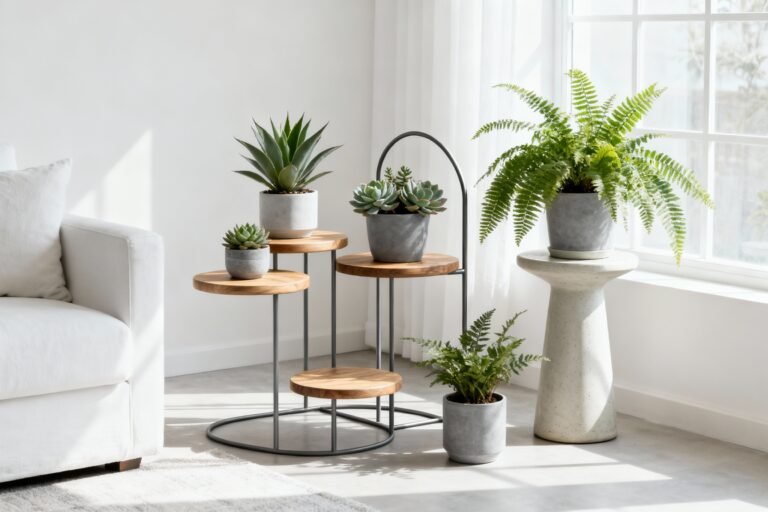
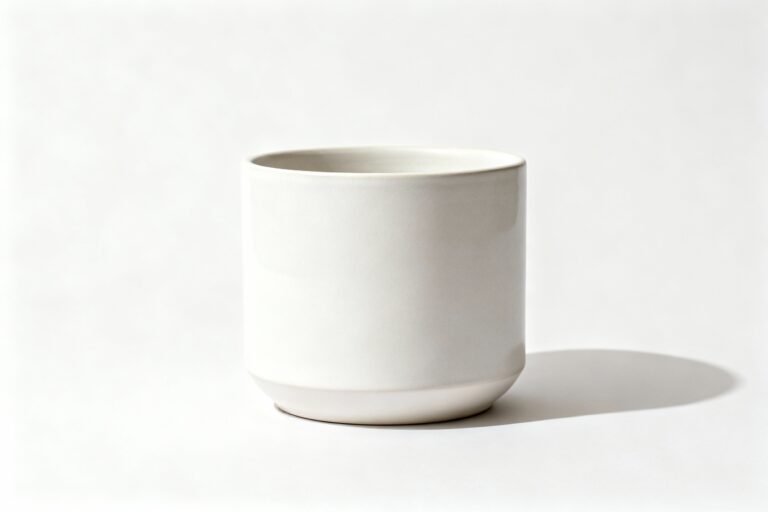
- Bookshelf star: Bird’s Nest fern in a matte ceramic pot. Minimalist but lush.
- Hanging baskets: Boston ferns dripping over the edges. Classic and dramatic.
- Wall art: Mount a Staghorn fern on reclaimed wood.
Boom—living sculpture.
- Terrariums: Small ferns (like Lemon Button) thrive in the humidity and look adorable, which is obviously important.
Pairing Ferns With Other Plants
Mix ferns with calatheas, peperomias, and mosses for a soft, forest-y vibe. Want contrast? Add a snake plant or ZZ plant for structural lines against the feathery fern fronds.
Texture play = chef’s kiss.
FAQ
Do ferns need direct sunlight?
Nope. Most ferns burn in direct sun. They prefer bright, indirect light or even light shade.
If you see pale fronds or crispy edges, your light is too intense.
Can I keep a fern in a low-light room?
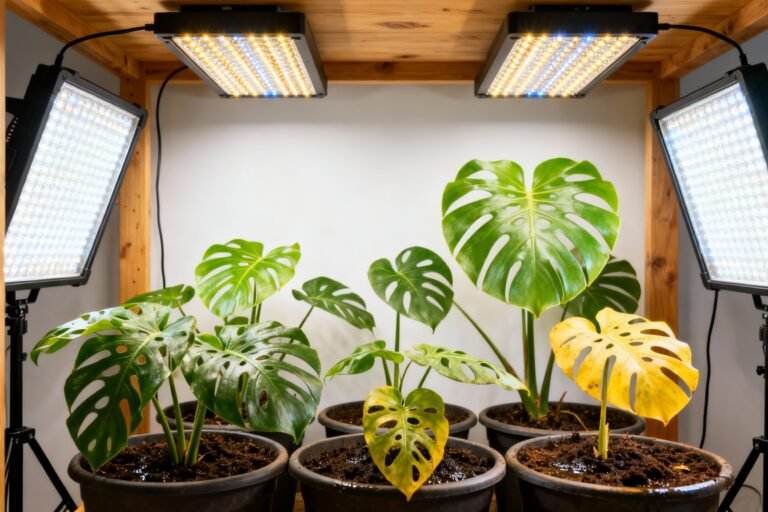
Some ferns handle lower light, but “low light” doesn’t mean “no light.” A bright north window or a few feet from an east window works. You can supplement with a grow light if your space is more cave than cottage.
How often should I water my fern?
Water when the top half-inch of soil feels slightly dry. You want consistently moist soil, not swampy.
Frequency depends on pot size, season, and humidity—usually every few days in summer, weekly-ish in winter.
Is misting enough for humidity?
Not really. Misting feels nice but humidity spikes only for a few minutes. Use a humidifier, pebble tray, or group your plants.
Bathrooms with windows are basically fern heaven.
Are ferns safe for pets?
Many common ferns (like Boston and Bird’s Nest) are non-toxic to cats and dogs. But some lookalikes called “asparagus ferns” are not true ferns and can be toxic. Always double-check the exact species before you buy.
Why is my fern turning brown at the center?
Usually underwatering, low humidity, or heat blasting from a vent.
Move it away from hot air, increase humidity, and water more consistently. Trim dead fronds to encourage fresh growth.
Wrapping It Up: Ferns Without the Fuss
Ferns bring instant calm, texture, and a touch of prehistoric cool to any space. Give them indirect light, steady moisture, and decent humidity, and they’ll thrive for years.
Start with a Bird’s Nest or Boston, level up to a Maidenhair if you crave drama, and enjoy your lush little forest. Because who doesn’t want a tiny Jurassic jungle in the living room, right?