Flower Border Ideas to Beautify Your Garden and Yard
You want a flower border that turns heads, not one that looks like a tired line of plants doing their best. Good news: you can build a border that blooms for months, plays nice with your climate, and actually thrills you every time you walk past it. No boring rules lecture here—just practical tips, real talk, and a few plant crushes I’ll admit to.
Ready to make something gorgeous? Let’s plot your perfect border.
What Exactly Is a Flower Border?
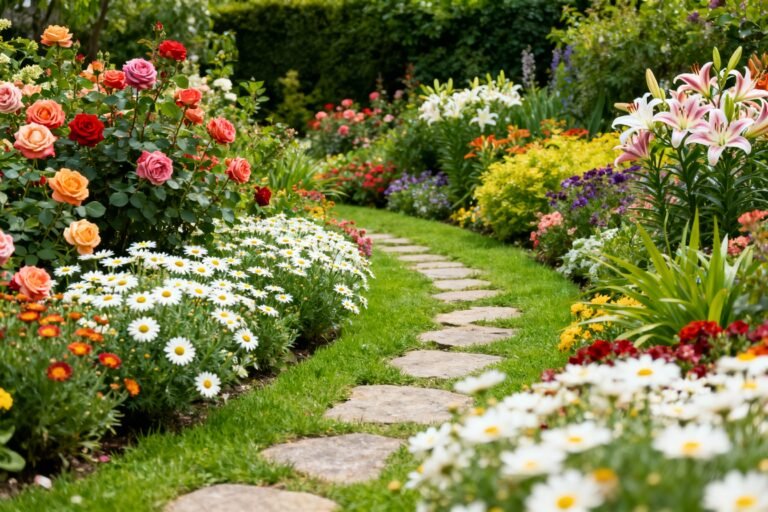
A flower border is a long, layered planting bed designed to pack color, texture, and interest along an edge—think fences, paths, patios, or driveways. It’s not a random lineup of plants; it’s a curated cast.
You’ll mix heights, bloom times, foliage shapes, and seasonal stars. The classic English border gets all the hype, but you can style yours however you want: cottage-chic, prairie, shade garden, modern minimal, or pure pollinator paradise. It’s basically your garden’s runway—make it dramatic.
Plan First, Panic Less
I know, planning sounds boring. But five minutes sketching beats five months staring at a mess.
Start with a quick checklist:
- Sunlight: Full sun (6+ hours), part sun, or shade?
- Soil: Clay, loam, or sand? Drainage fast or soggy?
- Moisture: Irrigation or you rely on rain and good vibes?
- Style: Soft and romantic, or bold and architectural?
- Bloom season: Want spring fireworks, summer fireworks, or “yes” to all?
Now map the area. Measure length and depth.
For a lush layered look, aim for 3–6 feet deep. Shallow borders can work, but you’ll have fewer layers, which means less drama.
Right Plant, Right Place (The Rule That Always Wins)
Please don’t force a sun perennial into shade and expect gratitude. Choose plants that love your conditions. IMO, happy plants look better and need less coddling.
Build the Layers: Front, Middle, Back
Layering gives your border depth and that “wow, who designed this?” vibe.
Use this structure:
- Back (tall anchors): 3–6 feet tall. Examples: hollyhock, foxglove, ornamental grasses (Miscanthus), Joe Pye weed, hydrangea, shrub roses.
- Middle (workhorses): 18–36 inches. Examples: coneflower, salvia, yarrow, daylilies, phlox, coreopsis, penstemon.
- Front (edgers and drapers): 6–18 inches.
Examples: catmint, creeping thyme, dianthus, alyssum, lamb’s ear, heuchera.
Tip: Group in drifts of odd numbers—3, 5, 7—so the eye reads “intentional” not “scatter.” Repeat those drifts every few feet to create rhythm.
Anchors and Repeats
Use a few structural plants to hold the whole border together. Think:
- Evergreen anchors: Boxwood, dwarf conifers, rosemary (in mild climates)
- Repeat bloomers: Catmint, hardy geraniums, roses
- Foliage texture: Heuchera, sedge, hosta (for shade), ferns
Repeat them along the line. Yes, it feels basic.
Yes, it works like a charm.
Color, Texture, and Bloom Timing (A.K.A. The Fun Part)
You can’t mess this up if you pick a palette and commit. Choose 2–3 main colors and one accent.
For example:
- Calm and cool: Purples, blues, silvers, with white accents (salvia, lavender, artemisia, white echinacea).
- Warm and sunny: Oranges, yellows, magenta (rudbeckia, gaillardia, zinnia, agastache).
- Moody and modern: Burgundy, deep purple, lime (smoke bush, dark heuchera, chartreuse sedge, alliums).
Texture matters: Mix spires (salvia), buttons (scabiosa), daisies (echinacea), fluff (astilbe), and blades (grasses). Your eyes love contrast.
Stagger the Show
Plan for a rolling bloom so something always shines:
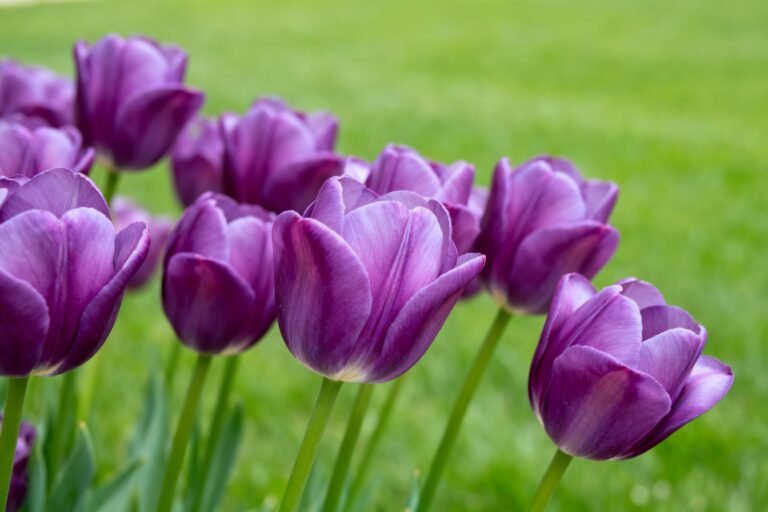
- Spring: Tulips, daffodils, alliums, bleeding heart, early salvias
- Summer: Coneflowers, daylilies, phlox, zinnias, monarda
- Fall: Asters, sedum, anemone, ornamental grasses
- Winter: Seedheads of echinacea and grasses, evergreen structure
FYI: plant bulbs under perennials. They pop early, then foliage hides as they fade.
Stealth mode.
Soil Prep and Planting (The Glow-Up Phase)
You can’t cheat soil. Well, you can, but your plants will rat you out.
- Clear and edge: Remove weeds and turf. Cut a clean edge for instant polish.
- Loosen soil: 8–12 inches deep.
Add compost—2–3 inches worked in.
- Test drainage: Fill a hole with water. If it sits for hours, improve drainage with compost and raised grade.
- Plant densely: Aim for plants to touch in 1–2 seasons. Crowds out weeds and looks lush.
- Mulch smart: 2 inches of shredded bark or fine gravel depending on style.
Keep it off stems.
Spacing Cheat Sheet
General guideline:
- Front: 8–12 inches apart
- Middle: 12–18 inches
- Back: 18–24 inches (or more for shrubs/grasses)
Check tags, but don’t baby them with too much room. IMO, tight spacing equals instant garden vibes.
Design Styles You’ll Actually Use
Pick a vibe that fits your house and your maintenance bandwidth (be honest).
Cottage Border
Full, flowy, and a little chaotic in the best way. Use foxglove, delphinium, catmint, roses, daisies, and lavender. Add gravel paths and a rustic edge.
Pollinator Power Strip
Think nectar buffet: salvia, monarda, agastache, asters, coneflower, milkweed.
Repeat clumps to help bees and butterflies find food efficiently. No neon pesticides, please.
Modern Minimal
Fewer species, stronger lines. Big drifts of one grass (Pennisetum or Calamagrostis), blocks of allium, sedum, and dark-leaved shrubs.
Clean metal or stone edging. It’s giving “architect lives here.”
Shade Sanctuary
Hosta, fern, astilbe, brunnera, hellebore, and heuchera. Layer textures and lean on foliage.
Flowers show up, but the leaves carry the mood.
Care Without the Drama
Maintenance doesn’t have to own your weekends. Keep it simple:
- Water deeply, not daily: 1 inch per week in growing season. Soak, don’t sprinkle.
- Deadhead smart: Snip spent blooms on repeat-flowering plants (salvia, roses) for extra rounds.
- Cut back in late winter: Leave seedheads for birds and winter interest until February/March.
- Divide every 3–4 years: Refresh vigor; free plants are the best plants.
- Weed early and often: Five-minute walk-throughs beat weekend marathons.
Staking and Support
Stake tall divas like delphiniums early.
Use discreet hoops or pea sticks. If you wait until they flop, you’ll wrestle a green octopus. Ask me how I know.
Common Pitfalls (And Easy Fixes)
- One-and-done bloomers: Mix in long-blooming plants (geranium ‘Rozanne’, catmint, yarrow) to avoid post-peak sadness.
- All flowers, no foliage: Add texture with grasses, heuchera, lamb’s ear, artemisia.
- Too many singles: Plant in drifts and repeat.
It reads cohesive.
- Ignoring scale: Tall plants in front block the show. Keep your tiers clear.
- Watering like a houseplant: Shallow sips create shallow roots. Deep drinks build resilience.
Quick Starter Recipes
Because sometimes you just want a shopping list.
Sunny, Low-Maintenance (Hot and Dry)
- Back: Miscanthus ‘Morning Light’, Russian sage
- Middle: Echinacea ‘Magnus’, yarrow ‘Moonshine’, agastache
- Front: Catmint ‘Walker’s Low’, sedum ‘Autumn Joy’, creeping thyme
Part Shade, Soft and Romantic
- Back: Oakleaf hydrangea, tall astilbe
- Middle: Hardy geranium, foxglove, Japanese forest grass
- Front: Heuchera, lamium, brunnera
Four-Season Show-Off
- Back: Panicle hydrangea, Calamagrostis ‘Karl Foerster’
- Middle: Salvia, coneflower, asters
- Front: Alliums (spring), dianthus, thyme, sedum (fall)
FAQ
How wide should my flower border be?
Aim for at least 3 feet wide for basic layering, and 5–6 feet if you want drama and shrubs.
Narrow strips can still work, but stick to shorter plants and fewer layers for clarity.
Do I need a formal edge?
No, but a crisp edge makes everything look intentional. Use steel edging, brick, or a spade-cut trench. For a natural look, let thyme or creeping plants spill over the front.
What’s the easiest way to keep blooms going all season?
Mix early, mid, and late bloomers and add a few marathon performers like catmint, hardy geraniums, and yarrow.
Deadhead repeat-bloomers and tuck bulbs under perennials for spring pop.
Can I make a border that deer won’t demolish?
You can make it “deer resistant,” not deer-proof. Try lavender, Russian sage, catmint, yarrow, and ornamental grasses. Use repellents during peak browsing and vary scents so they don’t adapt.
How many types of plants should I use?
For a 20–30 foot border, 8–12 species is a sweet spot.
Use larger quantities of each and repeat them. Less variety, more impact—counterintuitive but true.
Do I fertilize a flower border?
Focus on soil health first. Add compost in spring, mulch annually, and only use balanced fertilizer if plants look hungry.
Overfeeding pushes floppy growth and fewer flowers. Not the goal.
Conclusion
A great flower border doesn’t happen by accident—it happens by layering, repetition, and plants that actually like where they live. Pick a palette, stagger the blooms, and lean on texture for year-round interest.
Keep the maintenance simple and enjoy the show. And if something flops? Move it, swap it, or edit ruthlessly.
It’s your runway—own it.