Flower Garden Ideas: Plants, Layouts, and Styling Tips
You want a flower garden that turns heads, feeds bees, and maybe makes your neighbor a little jealous? You don’t need acres or a landscaping degree. You need a plan, a vibe, and the right plants doing the heavy lifting.
Let’s build a garden that blooms like crazy and doesn’t demand your weekends—or your sanity.
Pick a Vibe: What’s Your Garden’s Personality?
Your garden needs a theme, even if it’s “chaotic cottage chic.” Start by picking the mood you want. Do you want wild and whimsical? Clean and modern?
Vintage tea-party energy?
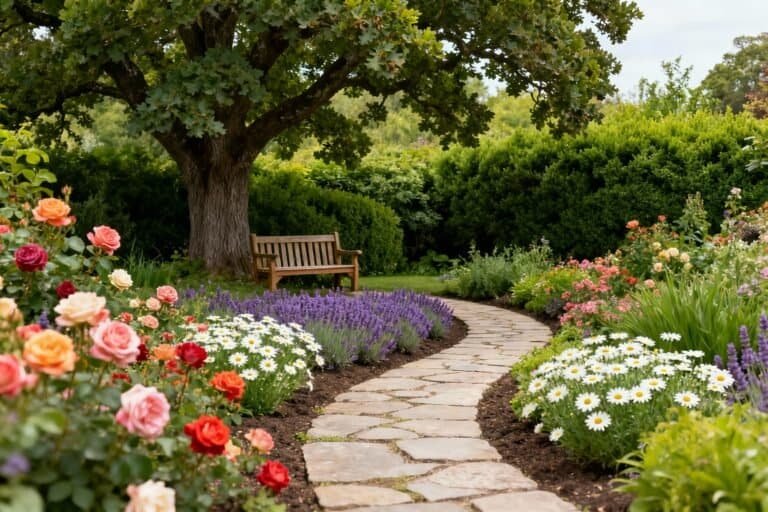
- Cottage-core: Billowy blooms, mixed colors, curves, and glorious chaos. Think foxgloves, hollyhocks, delphiniums, and roses.
- Modern minimal: Sleek lines, bold color blocks, and repetition. Use ornamental grasses with white tulips, alliums, and structured shrubs.
- Pollinator paradise: Native flowers, continuous bloom, and zero chemicals.
Coneflowers, bee balm, asters, and milkweed.
- Color-drenched borders: Go monochrome (all pinks!) or complementary pairs (purple + yellow). Simple palette, big impact.
Quick Rule of Thumb
Pick 3–5 anchor plants you love and repeat them. Repetition makes your garden look intentional, not like you panic-bought at the nursery (we’ve all done it).
Plan Your Layers Like a Pro
Layering turns a random collection of plants into a garden with depth. It also helps you hide the awkward bits (looking at you, fading tulip foliage).
- Back row (tall): Sunflowers, hollyhocks, joe-pye weed, tall grasses.
Height frames the space.
- Middle row (medium): Coneflowers, black-eyed Susans, phlox, dahlias.
- Front row (short): Catmint, creeping thyme, alyssum, dwarf salvias.
- Groundcover: Sweet woodruff, sedum, dianthus. They fill gaps and keep weeds humble.
Proportions That Work
Use a 40/40/20 split: 40% perennials for structure, 40% shrubs/grasses for bones, and 20% annuals for color punches. That mix gives you reliability with room to play.
Sun, Shade, and the Plants That Don’t Complain
Your light levels dictate your plant list.
Don’t fight your site—embrace it.
- Full sun (6+ hours): Zinnias, lavender, yarrow, salvias, agastache, roses. They love heat and won’t sulk.
- Part shade (3–6 hours): Astilbe, heuchera, columbine, hellebores, Japanese anemone.
- Shade (under 3 hours): Ferns, hostas, foxgloves (morning light rocks), lamium, bleeding heart.
Soil Reality Check
Plants don’t care how pretty your vision board looks if their feet stay wet. Do a quick drainage test:
- Dig a 12-inch hole.
- Fill with water and wait for it to drain.
- Refill and time it. 2–4 hours = ideal.
Overnight puddle = pick moisture lovers or improve drainage.
Season-Long Color (Without Babysitting)
You want a garden that performs from snowmelt to sweater weather. Stagger bloom times and layer bulbs, perennials, and annuals.
Spring Kickoff
- Bulbs: Tulips, daffodils, alliums. Plant in fall.
Mix early, mid, and late varieties.
- Perennials: Bleeding heart, brunnera, lungwort. Cute, tough, and low-drama.
Summer Show-Offs
- Workhorses: Catmint, salvias, coneflowers, daylilies, bee balm.
- Annuals for gaps: Zinnias, cosmos, verbena bonariensis. They bloom nonstop if you deadhead (or not—some don’t care).
Fall Finale
- Asters and sedum bring color as temps drop.
- Grasses (switchgrass, miscanthus, pennisetum) add movement and glow at golden hour.
FYI, grasses = instant sophistication.
Small Spaces, Big Drama
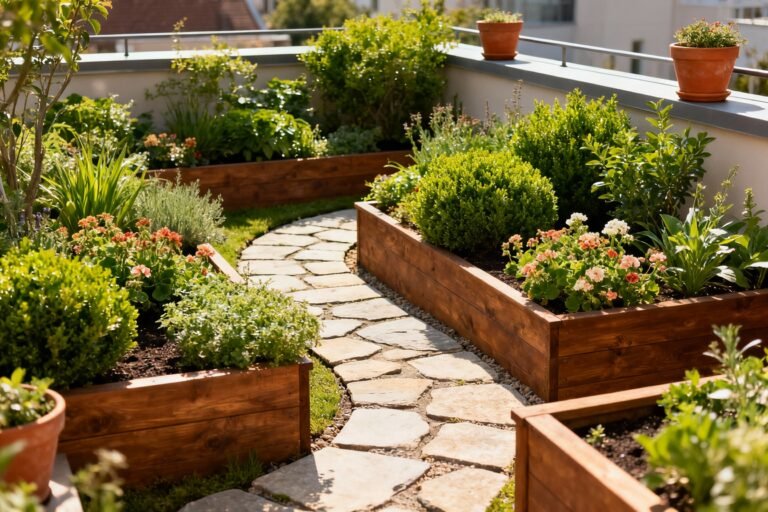
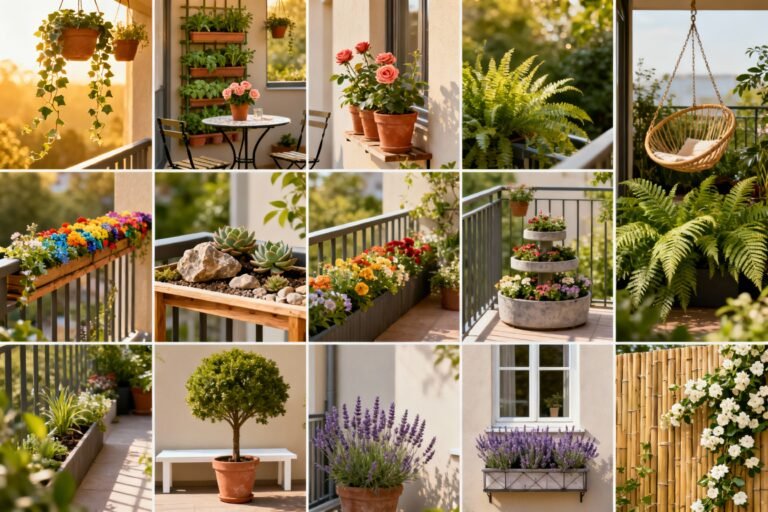
No yard? No problem. Containers, balconies, and tiny beds can still flex.
- Thriller–Filler–Spiller: One tall focal plant, mid-height fillers, and trailing edges.
Example: purple fountain grass + lantana + sweet potato vine.
- Color pots by season: Spring violas + tulips; summer zinnias + coleus; fall mums + ornamental kale.
- Vertical solutions: Trellis sweet peas or clematis; use wall planters for herbs and trailing lobelia.
Container Pro Tips
- Use the biggest pot you can for less watering and happier roots.
- Good potting mix only. Garden soil in a pot equals sadness and fungus.
- Water deeply, not constantly. Let the top inch dry, then soak.
Easy-Care Designs for Lazy Gardeners (IMO the best kind)
You can have beauty and a life.
Pick plants that thrive on neglect and look lush anyway.
- Drought-tolerant: Lavender, sedum, Russian sage, gaura, yarrow.
- Long bloomers: Catmint, coreopsis, scabiosa, geranium ‘Rozanne.’
- Low pruning needs: Hydrangea paniculata, spirea ‘Double Play,’ dwarf butterfly bush (non-invasive varieties only).
Mulch: Your Secret Weapon
Mulch does three important jobs: suppresses weeds, regulates moisture, and makes everything look finished. Use 2–3 inches of shredded bark or leaf mold. Keep it off the plant crowns unless you enjoy rot.
Design Tricks That Make You Look Advanced
Want “designer” vibes without a landscaper?
Steal these.
- Repeat colors and shapes: Echo purple salvia with purple alliums and a lavender pot. Cohesion = fancy.
- Plant in drifts: Groups of 3, 5, or 7. Scatter singles sparingly; clusters read better from a distance.
- Use negative space: A mulch path or gravel pocket gives the eye a break and highlights blooms.
- Frame views: Place tall plants or an arch to draw the eye to a birdbath or bench.
Color Combos That Don’t Clash
- Cool and calming: Blues, purples, whites.
Think salvia, catmint, alliums, white roses.
- Hot and energetic: Oranges, reds, magentas. Zinnias, daylilies, penstemon, dahlias.
- Soft pastels: Peonies, foxglove, snapdragons, pale cosmos. Romantic without being precious.
Wildlife-Friendly Without Inviting Chaos
You can support pollinators and still keep your lawn chairs visible.
- Choose natives suited to your region.
They feed local bees and butterflies best.
- Provide a shallow water dish with pebbles for bees and butterflies. Cute and functional.
- Leave some seed heads (coneflower, rudbeckia) for birds in fall and winter.
- Skip pesticides. Handpick pests, use neem or insecticidal soap if you must.
Nature rebounds fast.
Deer and Rabbit Reality
Nothing’s truly “deer-proof,” but they dislike: lavender, Russian sage, yarrow, daffodils, foxgloves, and hellebores. Rabbits usually avoid alliums, catmint, and agastache. IMO, a dash of repellents after rain helps.
FAQ
How do I start a flower garden from scratch?
Define your space, test your light, and clear weeds.
Add 2–3 inches of compost, then lay out plants in groups before digging. Start with fewer varieties in larger quantities. Water deeply after planting and mulch.
Done. No overthinking.
What flowers bloom all summer?
Look for long-bloom heroes like catmint, coreopsis, geranium ‘Rozanne,’ scabiosa, daylilies, and some salvias. Add annuals like zinnias and verbena bonariensis for nonstop color.
Deadhead spent blooms and you’ll keep the show going.
How do I pick colors that work together?
Choose a main color family (cool, warm, or pastel) and a supporting accent. Repeat those colors across the bed. If you want instant harmony, pair purple with anything—yellow, pink, white—because purple plays nice with everyone, FYI.
What’s the cheapest way to fill a garden fast?
Buy smaller perennials, divide clumping plants, and grow annuals from seed.
Zinnias, cosmos, and sunflowers cost pennies and cover space quickly. Mulch the rest, and fill gaps as your budget allows.
Do I need to fertilize?
If you added compost, you’re mostly set. Heavy feeders like roses and dahlias appreciate a slow-release organic fertilizer in spring and midsummer.
Avoid overfeeding or you’ll get leaves over flowers—pretty but pointless.
How often should I water?
Water new plants 2–3 times a week for the first month, then taper to once a week, depending on heat and soil. Soak deeply so roots grow down, not up. Morning watering keeps diseases low and plants happier (and you’ll feel smug all day).
Conclusion
You don’t need a perfect plan—you need a direction and a shovel.
Pick a vibe, layer your plants, and aim for season-long color with a few reliable workhorses. Keep it simple, repeat what works, and edit ruthlessly. Before you know it, you’ll have a garden that blooms like a playlist—no skips, all vibes.
IMO, that’s the sweet spot.