Flower Names List: Popular Flowers and Their Meanings
Flowers don’t whisper—they shout, in color. Their names pack history, drama, and a little mischief if you know where to look. You can gift a daisy and say “you’re sunshine,” or hand over a snapdragon like a mic drop.
Let’s decode what flower names really say, how they got them, and which ones practically beg to be used in stories, gardens, and baby name lists.
Why Flower Names Stick in Our Heads
We remember flower names because they sound like poetry with a secret. Saying “peony” feels like saying dessert. “Foxglove”? That’s a fantasy novel.
Plus, flower names connect to something primal: scent, color, and meaning. You don’t just see a rose—you feel “love,” “danger,” and maybe a thorn or two. FYI, language and plants have dated for centuries.
Petals with Backstories: Etymology You’ll Actually Use
Words evolve like vines—and flower names tell wild stories.
- Rose: From Latin “rosa.” Simple, classic, unkillable as a metaphor.
- Daisy: From Old English “day’s eye” because the petals open with daylight.
That’s adorable, right?
- Chrysanthemum: Greek for “golden flower.” They now come in every color, because humans can’t stop tinkering.
- Hydrangea: Greek for “water vessel,” thanks to the seed pods. Also thirsty as a diva—keep that soil moist.
- Gladiolus: From “gladius,” Latin for sword. The leaves look like blades, and the name sounds like a gladiator.
Coincidence? Nope.
- Narcissus: The myth guy who fell in love with his reflection. Perfect branding, 10/10.
- Dandelion: From French “dent de lion” (lion’s tooth) for the jagged leaves.
Anybody else now picturing a lion munching salad?
Folk Names That Go Hard
Common names often feel way more vivid than Latin.
- Snapdragon: Pinch the flower and it “snaps.” Nature invented puppetry.
- Deadnettle: Looks like nettle but can’t sting—“dead,” as in not dangerous.
- Forget-me-not: Subtle? Not even a little. It’s a plea in a flower.
- Lungwort: Medieval herbalists used it for lung issues.
Ugly name, pretty plant.
What Flower Names Say Without Saying It
We use flowers like emojis with roots. The Victorian language of flowers wasn’t just cute—it was sneaky flirting.
- Rose: Red for love, white for purity, yellow for friendship—or jealousy in some traditions. Context matters.
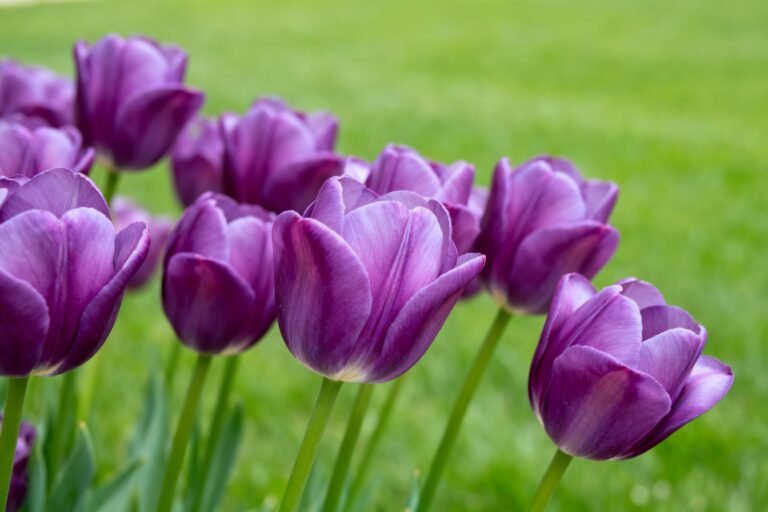
- Tulip: Deep affection and elegance.
Also screams “I like minimalism.”
- Peony: Romance, abundance, and “my wedding budget went off the rails.”
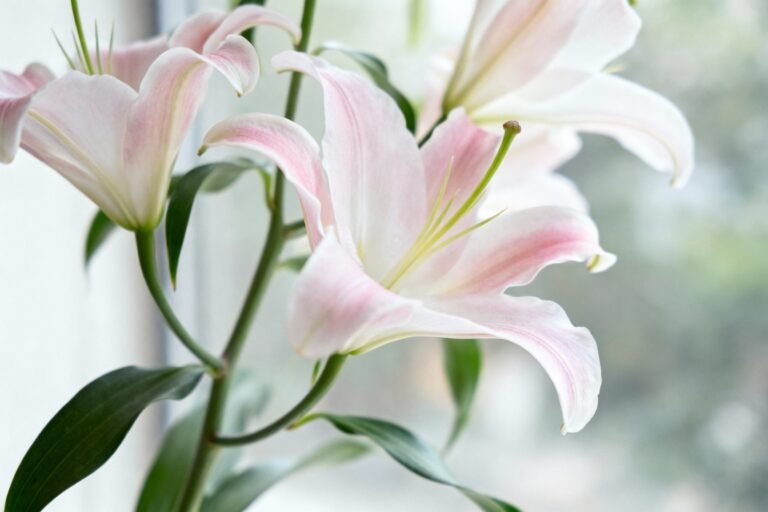
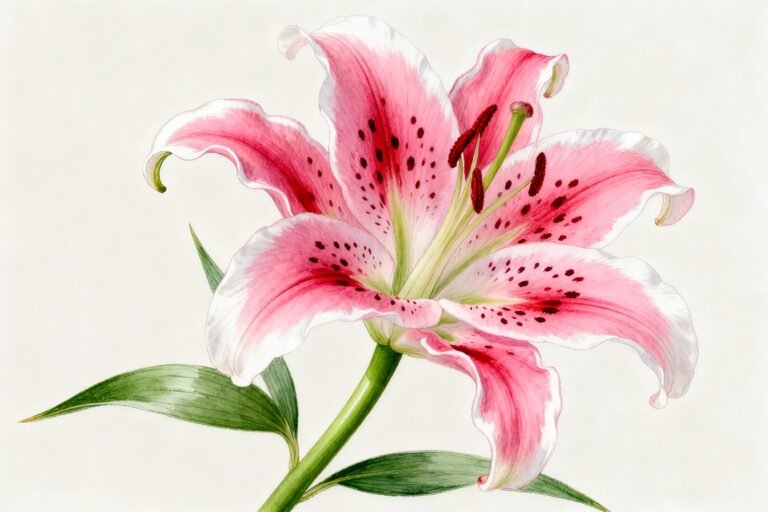
- Lily: Purity and renewal. White lilies often show up at ceremonies, both happy and somber.
- Sunflower: Positivity, loyalty, and unapologetic brightness. The extrovert of bouquets.
- Lavender: Calm, grace, and please chill.
Colors Change the Message
Same flower, different vibe:
- Red: Passion and love.
Obvious but effective.
- Pink: Gratitude, sweetness, or soft romance.
- White: Purity, remembrance, fresh starts.
- Yellow: Joy, friendship, optimism—unless you live in a region where it signals jealousy. Culture wins.
- Purple: Royalty, mystery, spiritual depth. IMO, it’s the “main character energy” color.
Flowers with Names You Can’t Forget
Some names just live rent-free in your brain.
- Bleeding Heart: The petals look like… well, hearts that bleed.
Dramatic, and I respect it.
- Love-in-a-Mist: Romantic and hazy, like a dream with better lighting.
- Foxglove: Cute imagery, dangerous plant. Digitalis inside—don’t nibble.
- Queen Anne’s Lace: Dainty white laces with a tiny purple dot in the center. Royal and approachable.
- Bachelor’s Button: Old-school flirtation accessory.
Put one in your lapel and feel charming.
- Corpse Flower: Massive bloom, smells like doom. Nature’s prankster.
- Bird of Paradise: Exotic, architectural, and basically a bird cosplay.
Tiny Names, Big Personalities
- Iris: Means “rainbow,” and it shows.
- Zinnia: Cheerful, tough, and criminally underrated.
- Anemone: Say it with me: uh-NEM-uh-nee. Ocean fans, don’t @ me.
Flower Names as Human Names: Sweet or Too Much?
People name babies after flowers because the vibes are immaculate.
Also, half the names feel timeless.
- Rose, Lily, Daisy: Classic, ageless, and surprisingly flexible with surnames.
- Iris, Violet: Vintage cool. Sharp consonants, soft bloom energy.
- Poppy: Playful with a pop (sorry, had to).
- Jasmine: Fragrant and romantic with global appeal.
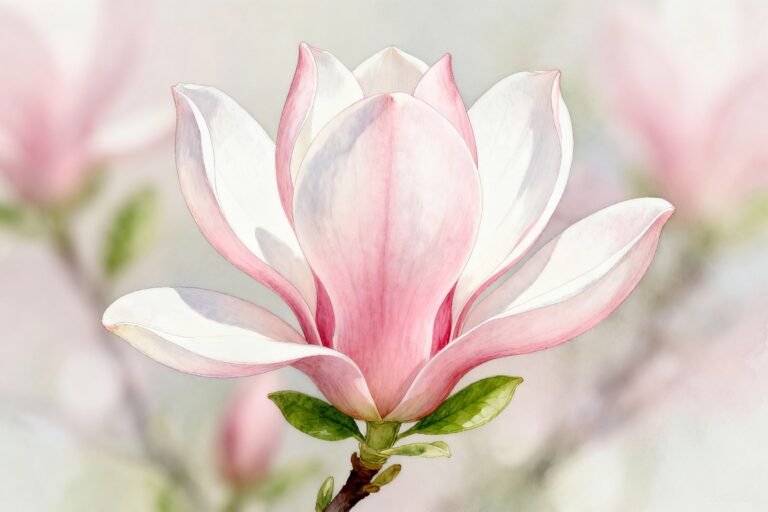
- Magnolia: Southern charm. Big energy.
- Florian, Ren, Heath: Floral-adjacent options for a different spin.
When a Flower Name Carries Baggage
Some names carry cultural or medicinal history. Belladonna sounds glamorous but means “beautiful lady” and also “poison that Renaissance folks used near their eyes.” Maybe skip that for the birth certificate.
How to Pick Flower Names for Your Garden (or Story)
Names can help you remember what you planted—or who your characters are.
Use them for quick vibes.
- Match the mood: Want romance? Peonies and roses. Want drama?
Dahlias and gladiolus.
- Think texture: Names like “Lace,” “Flame,” or “Velvet” cultivars instantly create imagery.
- Mix Latin and common names: Latin helps with accuracy; common names help with personality.
- Consider bloom time: Spring feels like tulips; late summer screams sunflower and dahlia.
- Beware toxicity: If pets or kids roam, Google before you plant. IMO this step saves tears.
Planting by Name Aesthetic
Try a themed bed:
- Celestial: Moonflower, Starflower, Night Phlox.
- Romance: Bleeding Heart, Love-in-a-Mist, Sweet William.
- Goth Garden: Black Dahlia (it’s really deep burgundy), Hellebore, Bat Flower. Dramatic cape optional.
Regional Flavor: Same Flower, Different Name
Names shift across maps, which makes things fun and mildly confusing.
- Calendula vs Marigold: Calendula officinalis often gets called pot marigold, but it’s not the same as the Tagetes marigolds popular in American gardens.
- Bluebell: In the UK, it’s Hyacinthoides non-scripta; in the US, “bluebell” often means Mertensia virginica.
Both lovely, not the same.
- Cornflower vs Bachelor’s Button: Same plant, different voices.
Why the Latin Matters (A Little)
Use scientific names when you need consistency. Rosa rugosa tells you exactly what you’re getting, while “wild rose” could mean twelve different things depending on your neighbor’s confidence level.
FAQ
What’s the difference between a common name and a scientific name?
Common names change with region and culture, which makes them charming but chaotic. Scientific names use Latin binomials, so gardeners and florists avoid confusion. If you want accuracy, go Latin; if you want vibes, go common.
Ideally, use both.
Are any flower names actually dangerous plants?
Yes. Foxglove, oleander, and belladonna sit on the “do not taste” list. They look gorgeous but contain potent compounds. Keep them away from pets and kids, and wash hands after handling.
Which flower names work best as baby names?
You can’t go wrong with Rose, Lily, Iris, or Violet.
For bolder choices, try Poppy, Magnolia, or Marigold. Test them with your last name out loud—melody matters more than trendiness.
What flowers symbolize friendship?
Sunflowers, yellow roses (in most places), and alstroemeria carry strong friendship vibes. They feel warm, supportive, and a little celebratory.
Add some solidago (goldenrod) for sparkle.
Do flower names change over time?
Absolutely. Garden culture, trends, and even marketing push new cultivar names constantly. Some common names fade, others rise again with nostalgia.
Language evolves, and flowers happily ride the wave.
How do I remember tricky pronunciations?
Break them down and stress the right syllable. Try: dahlia (DAHL-yuh), anemone (uh-NEM-uh-nee), freesia (FREE-zhuh), chrysanthemum (kris-AN-the-mum). Practice makes not-awkward.
Conclusion
Flower names don’t just label petals—they tell stories, broadcast feelings, and sometimes throw shade.
Learn a handful, and you suddenly speak a softer, brighter language. Whether you’re planting a border, naming a character, or texting a bouquet, pick the name that sets the mood—and let the flowers do the talking. FYI, you’ll never look at a foxglove the same way again.