Front Garden Ideas to Boost Your Home’s Curb Appeal
Your front garden does the talking before you even open the door. It says “welcome,” “wow,” or sometimes “we gave up in 2009.” Let’s fix that. With a few smart moves, you can turn that patch of land into a space that looks stunning, works hard, and doesn’t eat your entire weekend.
Start with a plan (and a reality check)
You don’t need a massive plot or a landscaper on speed dial.
You just need a simple layout and a few choices that match your lifestyle. Think about how you want the space to function—showpiece, pollinator haven, low-maintenance buffer, or all of the above? Map the basics:
- Sun vs. shade: Track sunlight for a day or two. Full sun plants won’t love deep shade (shockingly).
- Soil type: Clay, sand, or loam?
Do a quick jar test or squeeze test.
- Traffic flow: Where do you walk? Where do deliveries go? Design around reality, not wishful thinking.
- Budget and time: Be honest.
You can do luxe looks with thrifted pots and mulch, FYI.
Quick layout formula that never fails
- Anchor: One tree or large shrub near a corner.
- Layer: Taller shrubs in back, medium perennials in the middle, low groundcovers up front.
- Repeat: Use the same 3–5 plants in repeating groups for cohesion.
Front door drama, without the drama
Your entry should feel obvious and inviting. No one wants to navigate a hedge maze to find the bell.
- Define the path: A wide path looks generous. Aim for at least 36 inches; 42–48 inches feels luxe.
- Flank the door: Two pots or symmetrical shrubs?
Instant polish.
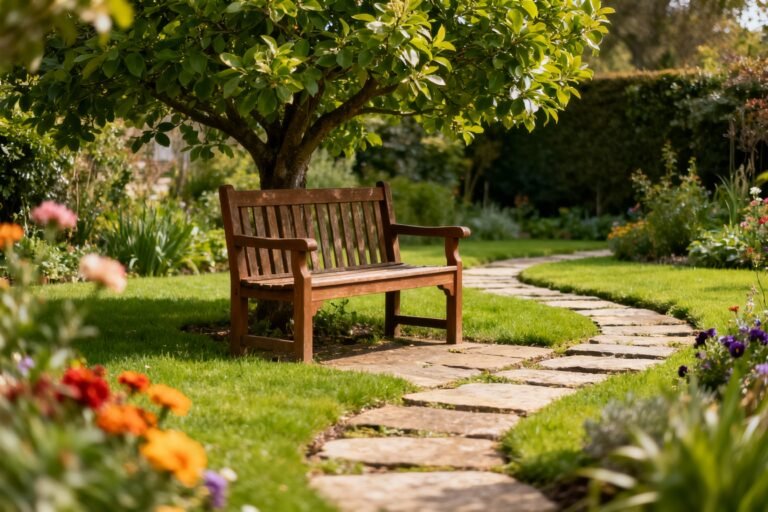
- Add a focal moment: A statement door color, a modern house number, or a handsome bench.
Container combos that always look good
Use the “thriller, filler, spiller” rule:
- Thriller: Upright grass or dwarf conifer.
- Filler: Mounded seasonal color or evergreen heuchera.
- Spiller: Trailing ivy, sweet potato vine, or creeping jenny.
Plant palettes that actually work
Let’s keep this simple. Choose a vibe, then pick plants that support it. IMO, fewer plant types in larger groups always beat a dozen singles.
Low-maintenance modern
- Structure: Boxwood or inkberry holly hedges.
- Texture: Blue fescue, feather reed grass, yucca (in dry climates).
- Color: White hydrangeas, catmint, lavender.
Cottage charm
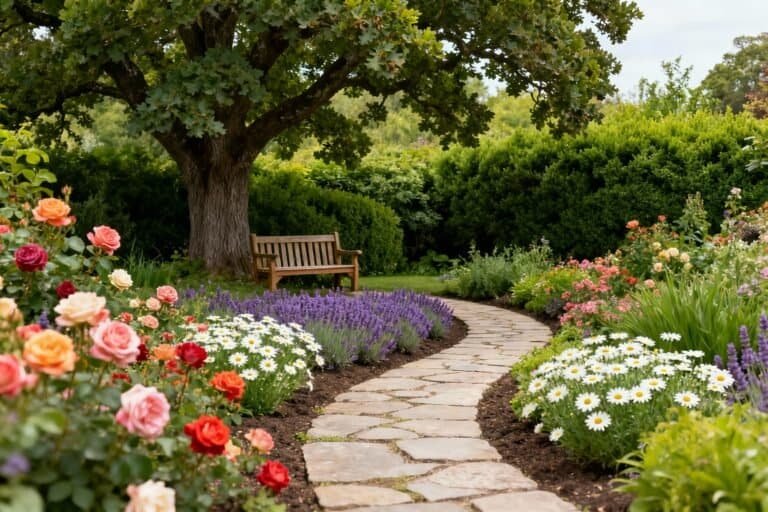
- Layers: Roses, salvia, foxglove, hardy geraniums.
- Fillers: Lady’s mantle, daisies, lavender.
- Edges: Thyme or creeping phlox for soft borders.
Wildlife-friendly oasis
- Native shrubs: Serviceberry, viburnum, ninebark.
- Pollinator perennials: Coneflower, bee balm, black-eyed Susans, asters.
- No pesticides: Let nature do its thing.
It will, and quickly.
Front lawns: keep, shrink, or ditch?
You don’t have to pick sides in the Great Lawn Debate. Do what fits your life (and your climate).
- Keep a small lawn: Tight rectangle, clean edges. Mow high, water deep, overseed in fall.
- Swap for groundcovers: Creeping thyme, clover, sedum mix.
Less mowing, more buzzing.
- Go gravel court: Add geometric pavers, a feature pot, and drought-tough plants. Modern and clean.
Easy lawn alternatives that look legit
- Meadow strip: A narrow band of ornamental grasses and wildflowers along the road.
- Mixed hedge: Layered shrubs for privacy and birds, plus seasonal interest.
Hardscape: where the magic (and the mess) happens
Good hardscape frames your plants, guides the eye, and saves your shoes on rainy days. It also boosts curb appeal fast.
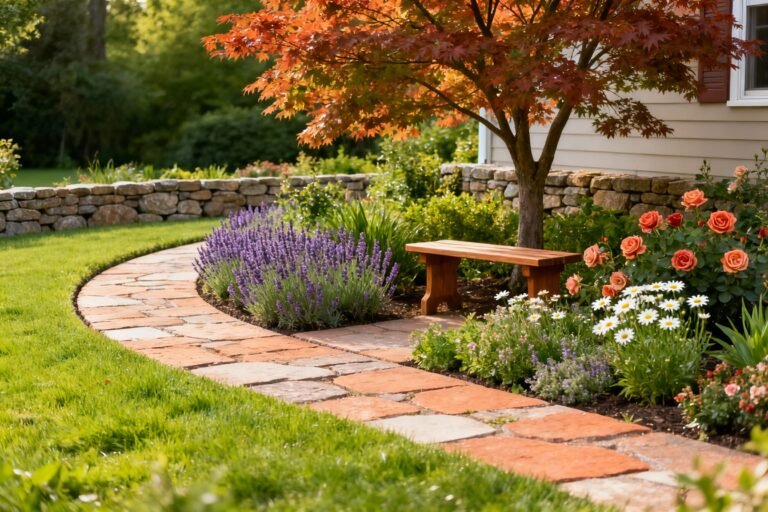
- Edging: Steel, brick, or stone edging keeps beds crisp and tidy.
- Path materials: Decomposed granite for a casual look; pavers or brick for classic vibes; poured concrete for sleek modern.
- Steps and terraces: If you have slope, break it into comfortable steps or low walls.
Your knees will thank you.
Lighting that looks expensive (but isn’t)
A few well-placed fixtures beat a runway of solar spikes, promise.
- Path lights: Soft, downward-facing, spaced widely.
- Uplights: At the base of a tree or statement shrub for drama.
- Accent: A warm sconce by the door and a low glow for house numbers.
Seasonal interest that doesn’t quit
You want color and texture all year, not just a spring fling. Plan for a four-season rotation.
- Spring: Bulbs (tulips, daffodils), early bloomers (hellebores, forsythia).
- Summer: Hydrangeas, daylilies, roses, salvias.
- Fall: Asters, sedum ‘Autumn Joy’, grasses with seed heads, Japanese maple.
- Winter: Evergreens, red-twig dogwood, seed heads left for birds, interesting bark.
Pro tip: repeat shapes and colors
Repeat plant forms (mounded, spiky, airy) and a limited color palette. Repetition creates calm, which reads “designer” even if you planted everything during one chaotic weekend.
Water-wise planting (aka: stop watering so much)
Your plants can thrive without you standing there with a hose like a lawn statue. Set them up right.
- Group by thirst: Keep drought-tolerant plants together and moisture-lovers together.
- Mulch smart: 2–3 inches of shredded bark or gravel keeps roots cool and weeds down.
- Use drip irrigation: It’s simple, efficient, and you won’t soak the sidewalk.
Soil prep that pays off
- Loosen compacted areas and mix in compost.
- Plant high: Slightly above grade to avoid waterlogged roots.
- Water deep, less often: Encourage strong roots from day one.
Small front gardens: big impact, tiny footprint
Tight space?
You can still go bold. Think vertical, layered, and intentional.
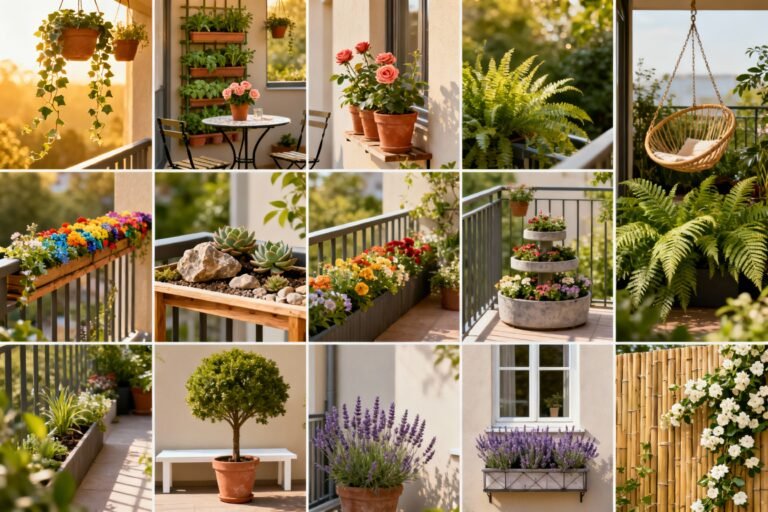
- Vertical trellis: Train clematis or jasmine to draw the eye up.
- Multi-stem tree: Amelanchier or Japanese maple for sculptural drama without bulk.
- Slim bench or shelf: A perch for pots and a friendly vibe.
Color hacks for small spaces
- Stick to two main colors plus green. Calm, cohesive, classy.
- Echo your front door color in pots or cushions.
- Go glossy with planters for a light-reflecting lift.
FAQ
What plants look good year-round in a front garden?
Mix evergreens (boxwood, yew, dwarf conifers) with perennials that hold structure in winter (grasses, sedum).
Add a small tree with interesting bark or form, like paperbark maple or river birch. This combo keeps your garden from looking empty in January.
How do I make my front garden low-maintenance?
Choose fewer plant types, plant in groups, and mulch well. Use drip irrigation and avoid fussy divas that need constant deadheading.
Strong structure—edges, paths, and shrubs—does most of the visual heavy lifting with less upkeep, IMO.
Can I design a front garden on a budget?
Absolutely. Prioritize hardscape and edges first for instant polish. Then buy smaller plants, split perennials with friends, and use mulch to make everything look finished.
Thrifted pots and a bold door color go a long way.
What’s the best front path material?
Pick based on style and climate. Brick looks classic, pavers are versatile, decomposed granite feels casual, and concrete reads modern. Make it wide, keep it level, and add lighting so it’s safe and welcoming.
How do I add privacy without building a fortress?
Use layered planting: a low hedge, medium shrubs, and a small tree or two.
Filter views rather than blocking them entirely. Lattice or a slim trellis with climbers near seating areas also softens sightlines without feeling heavy.
Do I need to hire a landscaper?
Not always. If you’re changing grades, building walls, or installing complex irrigation, bring in pros.
For plant choices, layouts, and styling, you can DIY with a weekend, a sketch, and a good shovel. FYI, local nurseries often give free advice with plant purchases.
Conclusion
Your front garden doesn’t need to be big or expensive to look thoughtful and welcoming. Focus on structure, repeat a tight plant palette, and light the good stuff.
Keep maintenance realistic, add a few bold moments, and you’ll have curb appeal that makes you smile every time you come home. And if your neighbors copy you? Take it as a compliment.