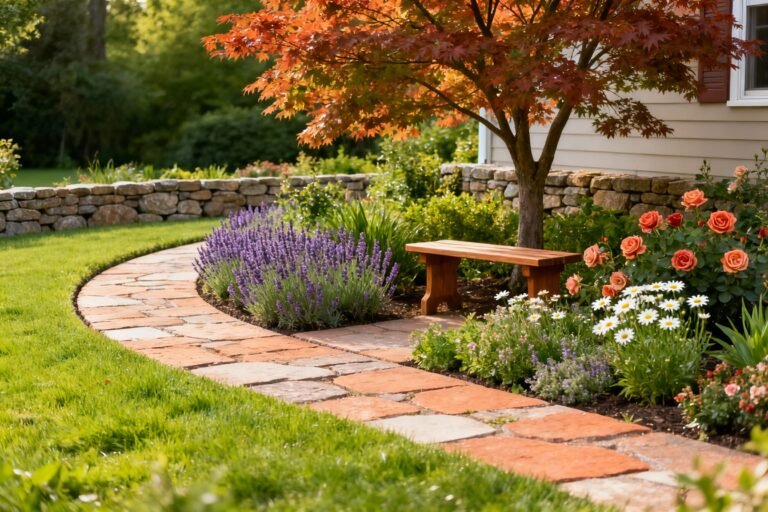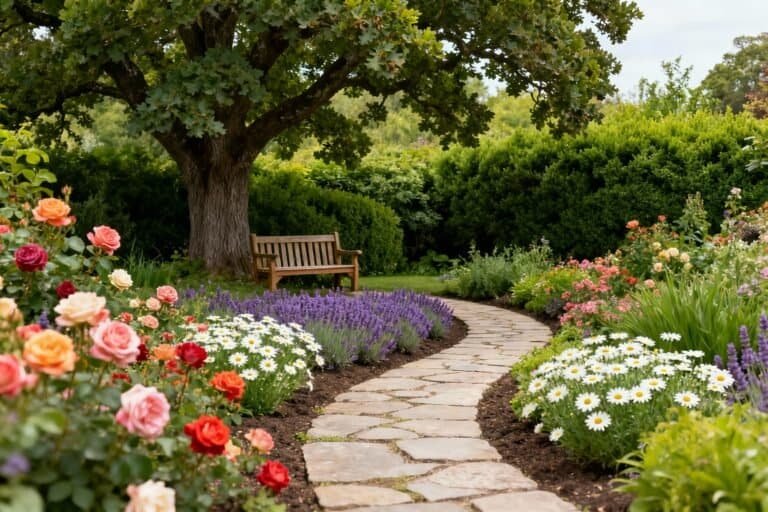
How to Create a Stunning Garden Background for Photos and Decor
You don’t need a sprawling estate to create a scroll-stopping garden background. You just need intention, a few smart choices, and maybe a trellis that doesn’t wobble like a newborn giraffe. Whether you want a backdrop for outdoor dinners or a photogenic corner for your morning coffee, you can build a garden background that elevates your whole space.
Let’s make your yard look like it always has golden-hour lighting—without actually bribing the sun.
What Do We Mean by “Garden Background”?
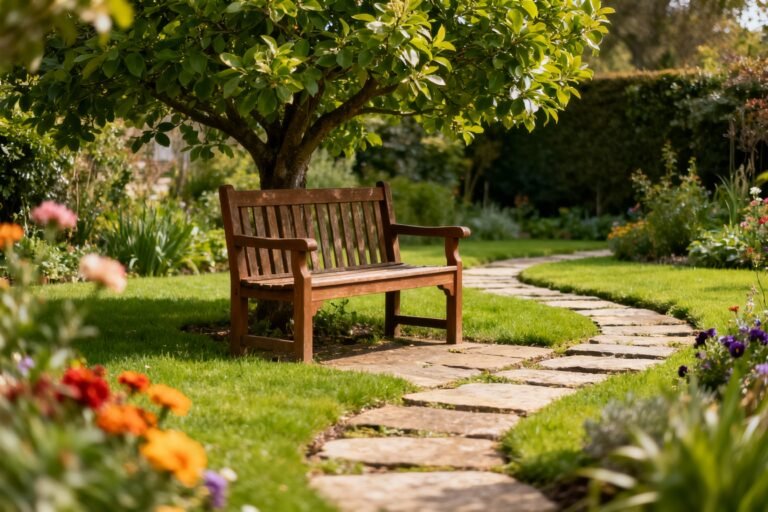
A garden background is the visual frame behind your main space—where your eye rests when you sit, dine, or take photos. It sets the mood, hides the ugly bits (hello, AC units), and creates depth. Think of it like the scenery behind the actors on a stage.
The plants are the stars, but the background steals the show quietly. Put simply: it’s the combo of plants, structures, and textures that define the edges of your garden. When it looks intentional, everything else sings.
When it doesn’t, well, it feels like a yard with stuff in it. Subtle difference, big impact.
Start With a Purpose (Yes, You Need One)
Before you buy a single plant, ask: what should the background do for you? Different goals equal different choices.
- Privacy: Create a living screen with hedges, bamboo (clumping, not running—trust me), or tall grasses.
- Framing views: Use archways, trellises, and layered plant heights to lead the eye.
- Noise and wind buffering: Dense shrubs and evergreen walls cut down chaos.
- Photo-friendly vibes: Go for cohesive colors, soft textures, and consistent structure.
You can mix these goals, but choose a primary one.
Otherwise you’ll end up with five half-finished ideas and a very confused shrub.
Quick Tip: Pick a Palette Early
Limit yourself to 2-3 main foliage colors and 1-2 flower tones. Too many colors can look chaotic. You’re creating a background, not a floral carnival.
Structure First: The Backbone of a Good Background
Start with the bones.
Plants grow and change, but structures hold the shape. Set these before you plant anything.
- Fences and walls: Paint them a deep green, charcoal, or earthy taupe. Dark colors make plants pop and recede visually.
White fences look cute but steal attention.
- Trellises and arches: Use metal or cedar. Go simple and sturdy. If it wiggles, it’s a no.
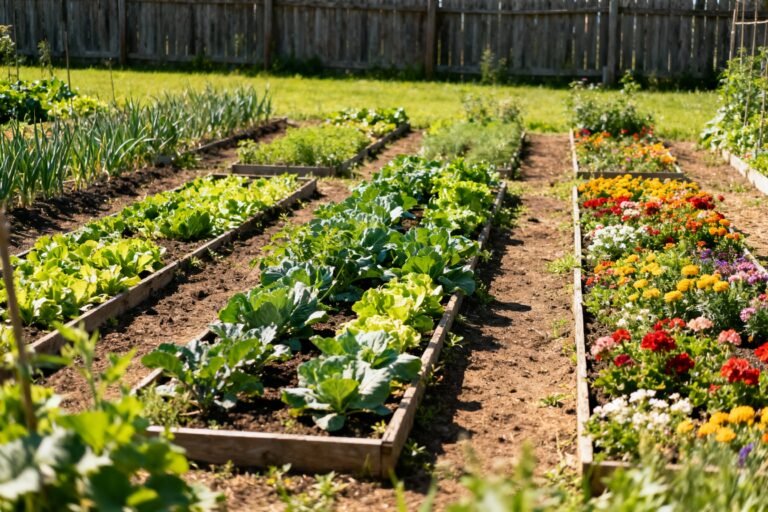
- Raised beds and edging: Clean lines matter.
Define your borders so the background doesn’t blur into the lawn.
- Screens and panels: Slatted wood or metal screens hide utilities and add dimension.
FYI: You can DIY most of these with basic tools and a weekend. Or you can “supervise” while a handy friend does it. Both work.
Choosing Climbing Plants
Climbers transform a flat wall into a lush backdrop.
Choose by sun, temperament, and vibe.
- Sunny spots: Star jasmine, climbing roses, bougainvillea (warm climates), clematis.
- Shade or part shade: Climbing hydrangea, Virginia creeper, ivy (contain it!), Akebia.
- Fast cover: Annual hops or sweet pea for quick wins while perennials establish.
IMO, a single climber per structure looks cleaner than a mash-up. Let it shine.
Layer Like a Pro: Tall, Medium, Low
Plants create the softness and depth. Use a simple three-layer approach that always works.
- Back row (tall): Small trees, large shrubs, or tall grasses.
This is your “wall.”
- Middle row (medium): Flowering shrubs and generous perennials that add color and texture.
- Front row (low): Groundcovers, edging plants, and compact bloomers for a tidy finish.
Reliable Plant Combos
Try these plug-and-play sets based on conditions. Swap for your zone as needed.
- Sunny and dry: Olive or bay laurel (pruned), lavender, rosemary, sedum, thyme edging.
- Partial sun: Pittosporum or viburnum, salvias, coneflower, catmint, creeping thyme.
- Shade-friendly: Camellia or aucuba, hosta and heuchera, ferns, sweet woodruff.
- Wildlife magnet: Serviceberry, spirea, echinacea, rudbeckia, native grasses.
Pro move: Repeat plants in groups of 3-5 for cohesion. One of everything looks like a plant adoption center.
Color, Texture, and Contrast (Without the Chaos)
Strong garden backgrounds rely on foliage more than flowers.
Flowers come and go. Leaves stick around and keep the vibe consistent.
- Foliage contrast: Pair fine textures (grasses, fern fronds) with bold leaves (hosta, fatsia).
- Color harmony: Cool greens and silver foliage calm the scene. Hot colors feel closer and busier.
- Bloom rhythm: Choose 2-3 seasonal “moments” instead of trying to bloom 24/7.
It’s a garden, not Vegas.
Color Palettes That Just Work
- Moody modern: Deep greens, charcoal, white flowers, silver foliage.
- Soft romantic: Sage greens, blush and lavender flowers, creamy whites.
- Sun-baked Mediterranean: Olive greens, terracotta accents, lavender and rosemary bloom.
Rule of thumb: If a plant color fights your fence color, change the fence color. Paint is cheaper than ripping out a hedge.
Small Space? Go Vertical and Fake Depth
No yard?
No problem. You can still craft a killer background on a patio or balcony.
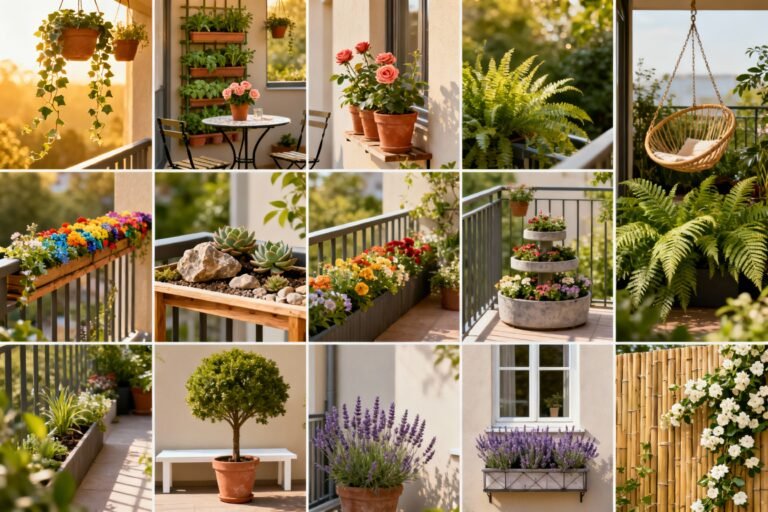
- Vertical planters: Stackable pots, wall pockets, or modular systems create instant layers.
- Mirrors: Weatherproof mirrors bounce light and trick the eye. Angle them to avoid selfies.
- Slim trees: Columnar evergreens or dwarf citrus in containers make a strong anchor.
- Color blocking: Paint one wall a deep tone, then add a single climber for drama.
Container tip: Big pots beat small ones.
They look better and don’t dry out every ten minutes.
Lighting and Finishing Touches
Lighting turns a decent background into a mood. You want glow, not interrogation vibes.
- String lights: Drape loosely between anchors, not pulled taut. Warm white only.
- Uplights: Aim soft spotlights at specimen plants or textured walls.
- Path lights: Low, shielded lights guide without blinding.
Then add texture and personality:
- Outdoor art or panels: Metal cutouts, ceramic wall tiles, woven screens.
- Fabrics: Weatherproof cushions and a throw in your chosen palette.
- Sound: A small fountain masks noise and adds zen without the full spa bill.
Maintenance That Doesn’t Eat Your Weekends
Design for future-you.
That person wants iced tea, not chores.
- Drip irrigation: Set it and forget it. Plants thrive, you relax.
- Mulch: Two to three inches keeps weeds down and soil happy.
- Pruning calendar: Light, regular trims keep shapes clean and prevent chaos.
IMO, if a plant needs constant babying, replace it. Your garden shouldn’t hold you hostage.
Budget-Friendly Ways to Build a Background
You can go luxe, but you don’t have to.
Smart choices deliver the same vibe.
- Paint first: A $40 can transforms fences and sheds instantly.
- Buy small plants: Quart or 1-gallon sizes catch up quickly and cost far less.
- Divide perennials: Ask neighbors to trade. Free plants are the best plants.
- Use gravel: Gravel beds and stepping zones tidy everything for cheap.
Where to Splurge
- Quality trellises or arches: They anchor your whole design.
- One great tree or specimen: A standout piece elevates everything around it.
- Irrigation timer: Saves plants and sanity.
FAQ
How tall should a garden background be for privacy?
Aim for 6–8 feet along seating or dining areas. Use a mix of fence panels and plants so it feels lush, not bunker-like.
If codes limit height, plant tall grasses or columnar shrubs just inside the fence to add visual height legally. Sneaky? Maybe.
Effective? Absolutely.
What plants give year-round structure?
Evergreens like yew, holly, boxwood, or podocarpus hold the line all year. Mix with semi-evergreen grasses like Carex and seasonal perennials for movement.
The evergreens keep your background intact when everything else naps.
Can I build a background with only containers?
Yes. Use large planters in a staggered line, add a tall element (trellis with jasmine, or a slim evergreen), then layer medium shrubs and trailing plants. Keep your palette tight so it reads as one unit, not 17 separate pots auditioning for attention.
How do I avoid a messy look?
Repeat plants, simplify colors, and define edges.
Group in odd numbers and leave negative space so the eye can rest. Also, prune. A quick monthly tidy beats an annual wrestling match with a feral hydrangea.
What’s the easiest climber for beginners?
Star jasmine wins for fragrance, tidy growth, and glossy leaves.
Clematis runs a close second—just pick the right pruning group and give it a cool root zone with mulch or low plants at its base.
Do I need landscape fabric?
Skip it under planting beds. It interferes with soil health and roots. Use a thick mulch layer and hand-weed as needed.
If you must, use fabric under gravel only, not under living plants.
Conclusion
A great garden background doesn’t scream for attention—it quietly shapes the whole experience. Start with structure, layer smart plants, keep a tight palette, and add lighting for the win. Build it once with intention and you’ll get a backdrop that makes every morning coffee and evening hangout feel like a scene worth lingering in.
FYI: the best time to start was yesterday. The second-best time? Right now.