Low-Maintenance Garden Ideas Every Homeowner Will Love
You don’t need acres of space or a royal budget to build a garden you love. You need a few smart ideas, a little patience, and maybe a decent hat. Whether you’ve got a tiny balcony or a sprawling patch of scruffy lawn, you can turn it into something gorgeous and useful.
Ready to grab some dirt and make magic?
Start With the Space You Actually Have
Before you buy twenty roses and a fountain, take five minutes to look around. How much sun does your space get? Where does the wind whip through?
What can you actually water without resenting it?
- Sun check: Full sun (6+ hours), partial shade (3–5 hours), or shade (under 3 hours). Plant accordingly.
- Soil reality: Clay holds water, sand drains fast, loam does a happy dance. Amend as needed.
- Access to water: If the hose can’t reach, you won’t either.Plan for watering ease.
- Traffic flow: Leave room to move, sit, and, you know, live.
Quick Wins for Any Space
- Group containers in odd numbers for instant style and easier watering.
- Mulch everything to lock in moisture and smother weeds.
- Pick a color palette (warm oranges/reds or cool purples/blues) to make it feel intentional.
Containers: The MVPs of Small-Space Gardening
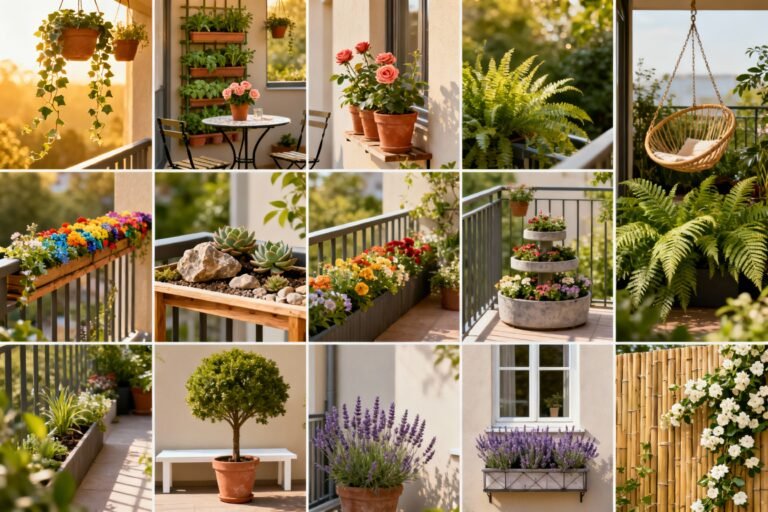
Containers let you garden anywhere: balconies, steps, rooftops, that weird corner by the AC unit. Bonus: you control the soil, and the weeds fear you.
- Choose big pots—bigger soil volume means happier roots and less watering.
- Use quality potting mix, not garden soil. It drains better and keeps roots healthy.
- Plant in tiers: a thriller (tall focal), fillers (mid-height), and spillers (trailing).
- Match pots to microclimate: Terracotta breathes (great for dry herbs), glazed containers hold moisture.
Container Combos That Just Work
- Sunny + Low Maintenance: Lavender, rosemary, creeping thyme.
- Shade Lovers: Hosta, heuchera, ferns, and trailing ivy.
- Edible Patio: Cherry tomatoes, basil, marigolds (pest control and color).
Design Beds Like You Mean It
Planting a bed goes beyond “stick stuff in the ground and hope.” You need layers, repetition, and a bit of swagger.
- Layer by height: Tall in back (or center for island beds), medium in the middle, short in front.
- Repeat plants every 3–5 feet to create flow.Random one-offs look chaotic fast.
- Plant in drifts, not singles—groups of 3, 5, or 7 look intentional.
- Mix textures: Fine foliage (grasses) plays beautifully against broad leaves (hosta, hydrangea).
Soil Prep That Pays Off
- Remove turf or smother with cardboard + compost for a season if you can wait.
- Add 2–3 inches of compost and mix into top 6–8 inches of soil.
- Mulch 2 inches after planting, keeping it off stems. Your future self will thank you.
The Low-Maintenance Garden (Yes, It Exists)
You don’t need to babysit your garden like it’s a houseplant with separation anxiety. Set it up right and relax.
- Choose perennials that suit your climate and light.Native plants often need less fuss.
- Install drip irrigation or soaker hoses with a timer. It’s the closest thing to gardening on autopilot.
- Go big on mulch. Less watering, fewer weeds, cleaner look.
- Plant groundcovers to out-compete weeds: sedum, creeping thyme, ajuga.
Perennials That Pull Their Weight
- Sunny champs: Coneflower, black-eyed Susan, Russian sage, yarrow, ornamental grasses.
- Shade heroes: Astilbe, hellebore, Japanese forest grass, brunnera.
- Drought-tolerant legends: Salvias, lavender, agastache, nepeta. IMO, nepeta is the chillest plant alive.
Grow Food Without Turning Your Yard Into a Farm
You can snip herbs while wearing slippers.
You can eat tomatoes that never met a fridge. This is the good life.
- Start with herbs: Basil, thyme, mint (in a pot, always), chives, parsley. Fast wins, big flavor.
- Pick compact veggies: Patio tomatoes, dwarf peppers, bush beans, salad greens.
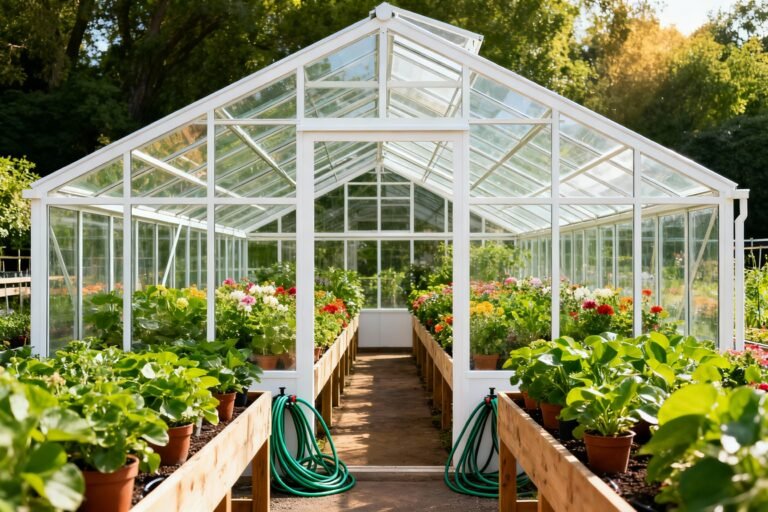
- Use raised beds: Faster warming, fewer weeds, easy on the back.
- Succession plant: Sow a little every 2–3 weeks for steady harvests.
Kitchen Garden Design Tips
- Keep beds narrow (3–4 feet) so you can reach the middle without stepping in.
- Install a simple trellis for cucumbers and peas.Vertical space = free real estate.
- Edge with flowers like calendula or nasturtiums for pollinators and color.
Make It a Vibe: Seating, Paths, and Lighting
Plants matter, but vibes seal the deal. You want a place that invites you to linger with coffee, tea, or something stronger. No judgment.
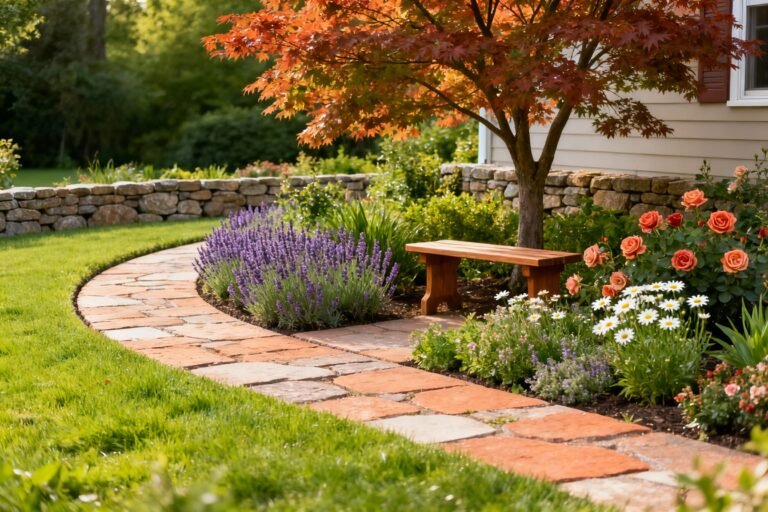
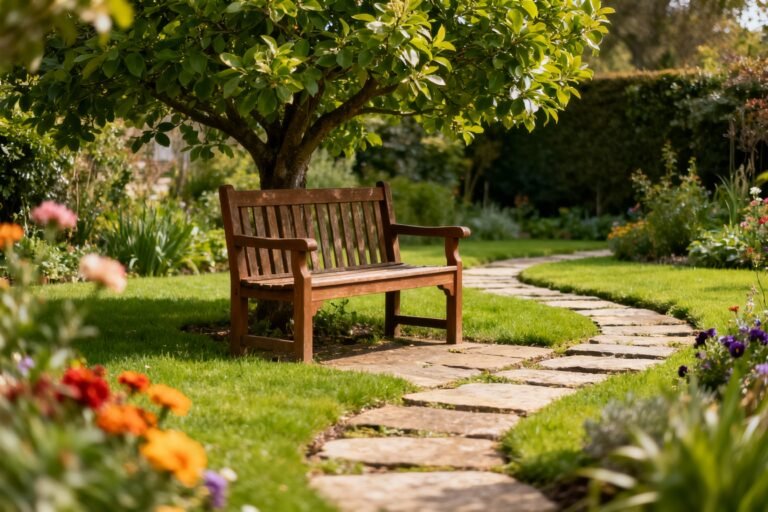
- Create a seating nook with a bench or two chairs.Add cushions for instant cozy.
- Lay simple paths with gravel, stepping stones, or bark. Define the flow.
- Layer lighting: Solar path lights, string lights, and a lantern or two. Instant magic.
- Add one focal point: A statement pot, birdbath, or tiny water feature.Not all three. Restraint, friend.
Wildlife-Friendly Without the Chaos
You can invite birds, bees, and butterflies without surrendering your garden to the jungle.
- Plant for pollinators with blooms from spring to fall. Aim for a nectar buffet.
- Leave a small brush pile or a few hollow stems over winter.Critters need shelter too.
- Add water: A shallow dish with stones for bees and birds works wonders.
- Skip pesticides when you can. Encourage beneficial insects instead.
Pollinator All-Stars
- Spring: Alliums, columbine, lungwort.
- Summer: Bee balm, coneflower, milkweed, lavender.
- Fall: Asters, goldenrod, sedum. FYI: fall flowers feed migrants.
Seasonal Game Plan (So You Don’t Burn Out)
Gardening feels easier when you spread tasks over seasons instead of cramming everything into one frantic Saturday.
- Spring: Prep beds, divide perennials, plant cool-season veggies, set up irrigation.
- Summer: Mulch, deadhead, harvest, deep water, stake floppy drama queens.
- Fall: Plant perennials, bulbs, trees; top-dress with compost; plant cover crops in veggie beds.
- Winter: Dream, plan, sharpen tools, order seeds, browse plant catalogs like it’s high art.IMO, it is.
FAQ
How do I choose plants that won’t die on me?
Match plants to your light, climate zone, and watering style. If you forget to water, pick drought-tolerant champs like lavender or sedum. If you love fussing, roses and dahlias await.
Check plant tags for sun/shade needs and your USDA or local hardiness zone—stick to that and you’ll win more than you lose.
What’s the easiest way to control weeds?
Mulch 2–3 inches deep, edge beds cleanly, and plant densely. Pull baby weeds weekly before they seed. In veggie beds, lay landscape fabric or cardboard in paths and cover with wood chips.
Weed once, brag all season.
How often should I water?
Water deeply, less often. Aim for 1 inch per week for most gardens, more in heat waves. Use a drip system on a timer for consistency.
Containers need more frequent watering—test with a finger two inches down. Dry? Water.
Moist? Step away.
Can I mix edibles with ornamentals?
Absolutely, and it looks fantastic. Tuck kale into flower beds, edge with strawberries, and let nasturtiums trail from pots.
Many herbs double as ornamentals—rosemary, sage, and thyme add texture and scent. The bees will RSVP yes.
Do I need fertilizer if I use compost?
Compost improves soil health and structure, which plants love. For heavy feeders like tomatoes or roses, add a balanced organic fertilizer during peak growth.
For perennials and shrubs, annual compost and mulch usually do the job. Watch the plants—they’ll tell you if they need a little boost.
What if I have only shade?
Shade isn’t a curse; it’s a mood. Lean into texture: ferns, hostas, heuchera, and hellebores create lush layers.
Add a pop with white or chartreuse foliage to brighten dark corners. A mirror or light-colored pot cheats extra light—no one will snitch.
Conclusion
A good garden doesn’t demand perfection; it rewards momentum. Start small, pick plants that fit your space, and edit as you go.
Add one cozy seat, one great pot, and a handful of plants you love. Then sit back, sip something nice, and admire your miniature kingdom—dirt under nails and all. FYI: that’s the real flex.