Garden Inspiration: Creative Ideas to Transform Your Outdoor Space
You want a garden that feels like a breath of fresh air, not another chore on your never-ending to-do list. Good news: you don’t need acres, exotic plants, or a secret green thumb handshake. You need a spark—some inspiration that fits your space, your vibe, and your schedule.
Let’s find it and make your garden your favorite hangout spot.
Start with a Mood, Not a Shopping List
Before you sprint to the nursery and impulse-buy a lemon tree you don’t need, pick a vibe. Do you want a cozy nook for morning coffee? A lazy jungle of leafy greens?
Bees and butterflies? This sets the tone and keeps your plant choices focused. Try this quick exercise:
- Pick three words: Calm, wild, colorful, minimalist, cottagey—whatever sparks joy.
- Choose a color palette: Two main colors + one accent.
IMO, this keeps things stylish without trying too hard.
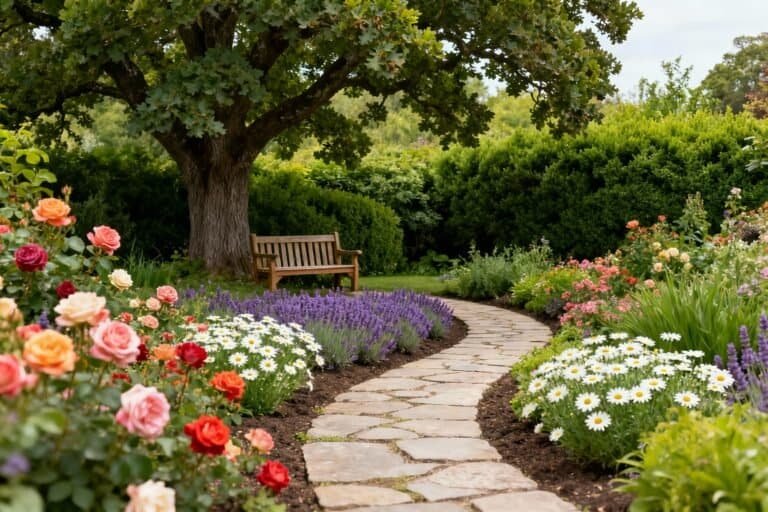
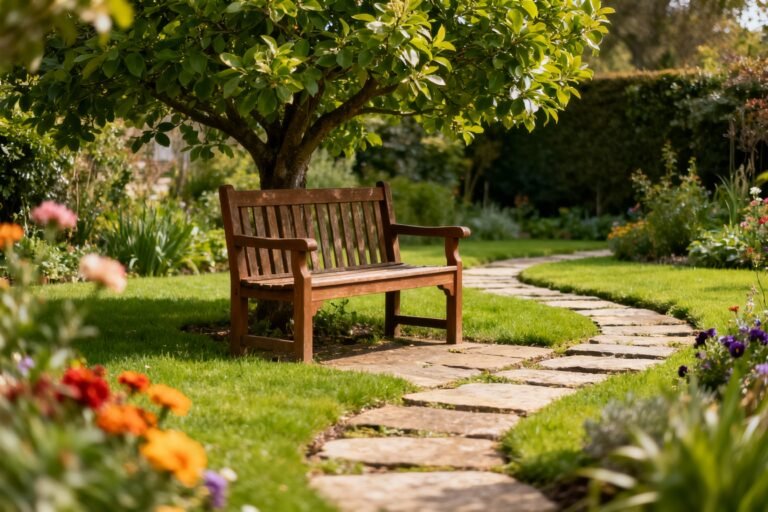
- Define your hero moment: A bench under a tree, a tiny water feature, a trellis dripping with blooms.
Mini Mood Boards, Big Payoff
Create a mini mood board on your phone with 6–8 images. Include plants, textures, and lighting. This helps you say yes to the right things and no to the wrong ones—like neon garden gnomes.
Unless you’re into that. No judgment.
Design Moves That Instantly Elevate Your Space
You don’t need a landscaper to make designer-level choices. You just need a few tricks.
- Repeat plants: Use the same plant in 3–5 spots to create rhythm.
Your garden will look intentional, not chaotic.
- Plant in odd numbers: Threes and fives look natural. Twos look like you’re staging a plant wedding.
- Layer heights: Tall in back, medium in the middle, low in front. Works in borders, beds, and even containers.
- Mix textures: Pair feathery grasses with bold leaves.
Contrast = instant drama, no theater degree required.
- Add structure: A trellis, an obelisk, or a single small tree creates a focal point.
Pathways = Magic
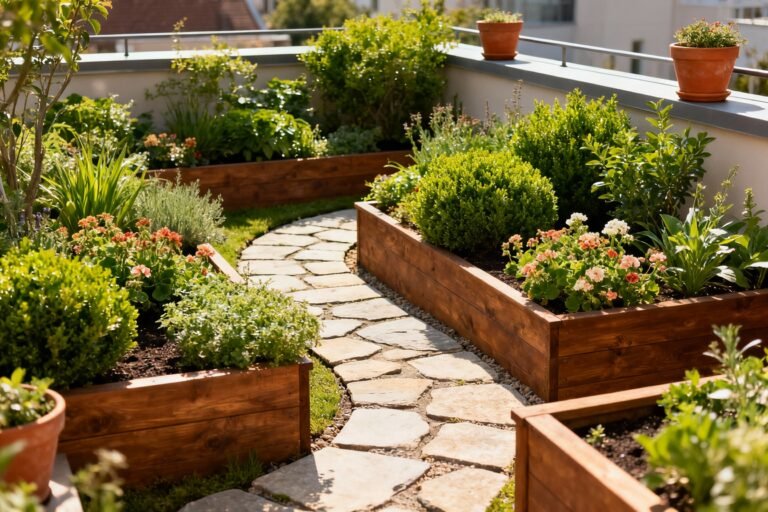
Even a simple stepping-stone path makes a space feel bigger and more inviting. Curve it slightly. Hide where it ends.
Humans love a little mystery, FYI.
Plant Combos That Just Work
Let’s make choices easy. Here are foolproof combos for different vibes. Use them as jumping-off points.
Low-Maintenance Chic
- Plants: Lavender, rosemary, sedum, ornamental grasses (like Pennisetum or Stipa)
- Why it works: Drought-tolerant, aromatic, and textural.
They forgive missed waterings. Bless them.
- Tip: Use gravel mulch for a clean look and fewer weeds.
Pollinator Party
- Plants: Coneflower, salvia, yarrow, bee balm, milkweed
- Why it works: Nonstop blooms and nectar for bees, butterflies, and your inner child.
- Tip: Plant in clumps so pollinators can feed efficiently.
Shady Oasis
- Plants: Hosta, heuchera, ferns, astilbe, Japanese forest grass
- Why it works: Lush textures and layered greens = instant calm.
- Tip: Add a mirror or pale stones to bounce light.
Edible Meets Beautiful
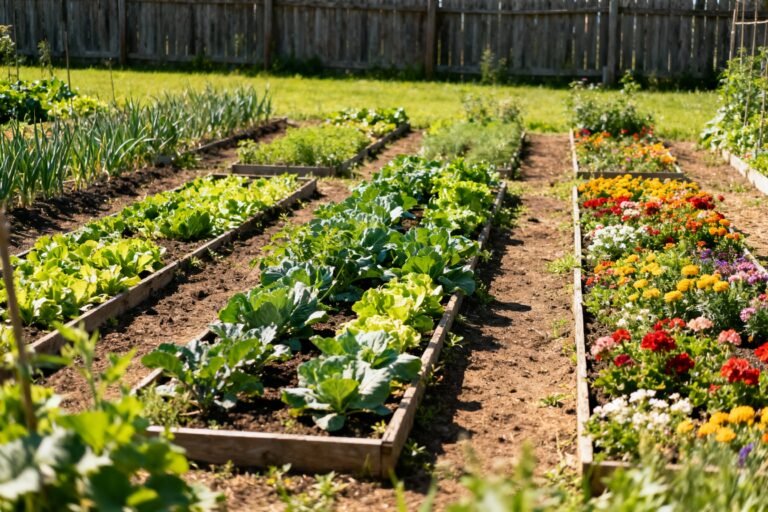
- Plants: Kale, rainbow chard, thyme, strawberries, dwarf tomatoes
- Why it works: Pretty and practical. Your dinner guests will be impressed.
Or at least fed.
- Tip: Use terracotta or galvanized planters for a cohesive look.
Containers: Big Style, Small Commitment
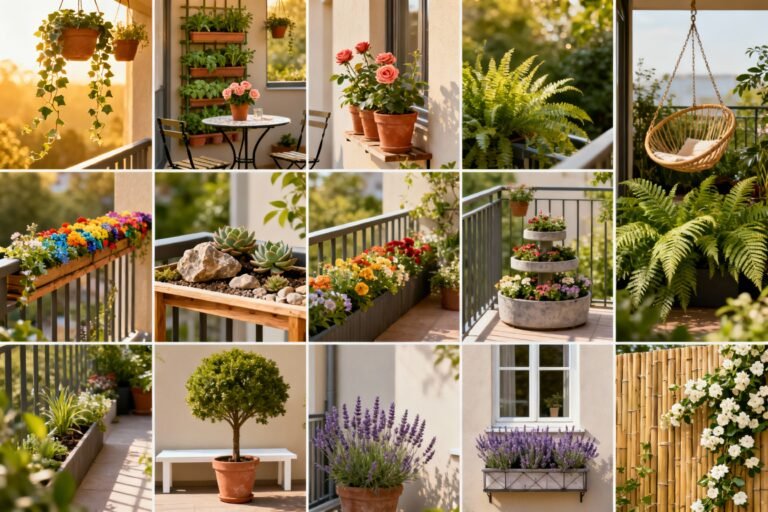
Containers let you experiment without a backyard overhaul. They shine on balconies, stoops, or patios.
- Go big: Bigger pots dry out slower and look more polished.
- Thriller, filler, spiller: Tall centerpiece, medium filler, trailing edge. Classic for a reason.
- Match the material to your vibe: Terracotta = earthy; black fiberstone = modern; woven baskets (with liners) = cozy.
- Color hack: Keep pots neutral so plants do the talking—or go bold and keep plant choices simple.
Container Recipes
- Modern monochrome: Black mondo grass, white bacopa, dusty miller.
- Mediterranean moment: Olive tree, trailing thyme, variegated sage.
- Shade-friendly: Coleus, caladium, creeping jenny.
Soil, Water, Sun: The Boring Stuff That Actually Matters
Yes, it’s not sexy.
But it’s the difference between thriving and trying.
- Know your sun: Full sun = 6+ hours. Part sun/shade = 3–5. Shade = under 3.
Don’t guess—observe.
- Fix your soil: Add compost annually. It improves drainage, feeds plants, and makes you feel competent.
- Water smart: Deep and less often beats shallow and daily. Mulch helps keep moisture in.
- Right plant, right place: You can’t strong-arm a fern into full sun.
Ask me how I know.
Easy Win: Mulch
Use 2–3 inches of shredded bark, leaf mold, or gravel depending on your style. Mulch suppresses weeds, conserves water, and makes everything look finished. It’s basically makeup for beds.
Lighting and Little Luxuries
Garden glow-ups don’t stop at plants. Add a few extras that make the space feel intentional.
- String lights or solar stakes: Instant ambiance.
Romance your plants. Or your guests.
- Seating: A bench under a tree, a bistro set, or a hammock. Create a “sit here” moment.
- Water feature: Even a small bowl fountain adds sound and calm.
Birds will thank you.
- Art and objects: A sculptural pot, a weathered statue, or a painted gate adds personality.
Color Tricks
Want your space to feel bigger? Cool colors (blues, purples, silvers) recede. Want impact? Warm colors (reds, oranges) pop. Mix them like you would an outfit: one main, one supporting, one accent.
The Seasonal Rhythm: Keep the Show Going
Stagger your plants so something shines every season.
This avoids the “May was great, now everything is sad” syndrome.
- Spring: Tulips, daffodils, hellebores, flowering bulbs in pots.
- Summer: Coneflower, daylilies, hydrangea, zinnias, herbs.
- Fall: Asters, sedum, ornamental grasses, Japanese anemone.
- Winter: Evergreens, red-twig dogwood, hellebores, seed heads left for birds (and drama).
Prune with Purpose
You don’t need a horticulture degree. Just remember:
- Dead, damaged, diseased: Remove anytime.
- Spring bloomers: Prune after flowering.
- Summer bloomers: Prune in late winter/early spring.
Simple. Effective.
No plant therapy required.
Eco-Friendly Choices That Feel Good
Want your garden to do more than look pretty? Make it planet-friendly without going full homestead.
- Choose natives where possible: They support local wildlife and usually need less water.
- Plant for pollinators: Single blooms beat frilly doubles for nectar access.
- Collect rainwater: A simple barrel saves money and makes plants happier.
- Compost: Kitchen scraps + yard waste = black gold. IMO, it’s the most satisfying garden habit.
- Leave some mess: Seed heads and leaf litter help overwintering insects.
Embrace a little wild.
FAQ
How do I start a garden if I have zero experience?
Start small with containers or a single bed. Pick 3–5 plants that match your sun and climate. Add compost, mulch, and a weekly watering routine.
You’ll learn faster with a small, focused space than a giant project that overwhelms you.
What plants are basically indestructible?
Look for lavender, sedum, daylilies, hardy geraniums, coneflowers, and ornamental grasses. For shade, try hosta, ferns, and heuchera. These plants forgive missed waterings and imperfect soil.
They’re the golden retrievers of the plant world.
How do I keep my garden from looking messy?
Repeat plants, limit colors, and define edges. Use mulch to create contrast and hide gaps. Add one strong focal point per area (a pot, a trellis, a small tree).
Fewer elements, repeated, look curated—not chaotic.
What’s the best way to water?
Water deeply and less often so roots grow down, not up. Early morning works best. If you can, use drip irrigation or a soaker hose for even moisture and fewer fungal issues.
Mulch helps lock it in.
Can I grow a beautiful garden on a balcony?
Absolutely. Use a few large containers, pick plants for your sun exposure, and think vertical with trellises or railing planters. Add string lights and a compact chair.
Boom—instant outdoor room vibes.
How do I pick plants that won’t die immediately?
Match plants to your sun, climate zone, and soil. Check the plant tag for light and water needs (they’re not lying). Group plants with similar needs together so you don’t overwater some and dehydrate others.
It’s matchmaking, but for roots.
Conclusion
Your garden doesn’t need perfection—it needs personality. Start with a mood, pick a few unfussy plants, and layer in structure, texture, and a little sparkle. Keep it playful, learn as you go, and tweak each season.
Before long, you’ll step outside, take a breath, and think, “Yep. This is my place.”