Garden Landscaping Tips: How to Design a Beautiful Outdoor Space
You want a garden that turns heads and makes you smile every time you step outside? Good. You don’t need a blank check or a degree in horticulture.
You need a plan, some smart choices, and the confidence to try stuff. Let’s build a space that looks great, feels effortless, and actually fits your life—not just a Pinterest board.
Start with the “Why” (And Be Brutally Honest)
What do you want from your garden—morning coffee vibes, late-night firepit sessions, or a jungle for pollinators? Define the purpose first, then design around it.
You’ll save money, time, and several plant funerals. Ask yourself:
- How much time will I realistically spend maintaining this?
- Do I need kid-friendly or pet-safe areas?
- Do I entertain large groups or just a couple friends?
- What views do I want to frame—or hide?
Pro Tip: Choose a “Story”
Pick a simple theme to guide decisions: modern desert, cozy cottage, edible oasis, shade sanctuary. Your theme acts like your North Star when you feel tempted by every pretty plant at the nursery (we’ve all been there).
Design Bones: Shape the Space Before You Plant
Plants get all the attention, but structure does the heavy lifting. Define zones, create flow, and add height.
This makes small spaces feel big and big spaces feel inviting. Key elements to plan:
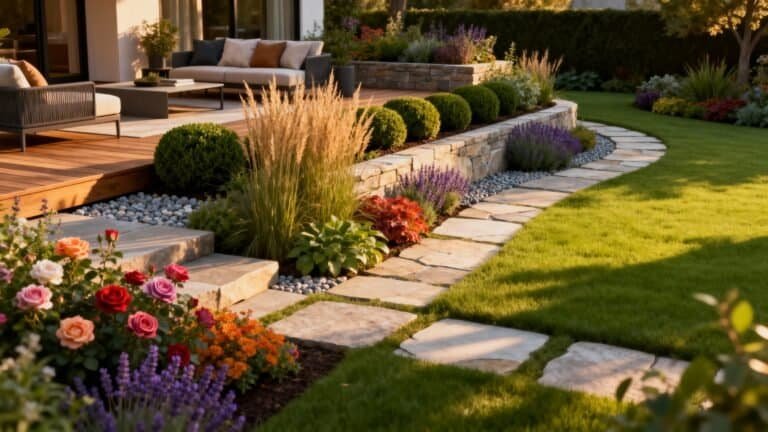
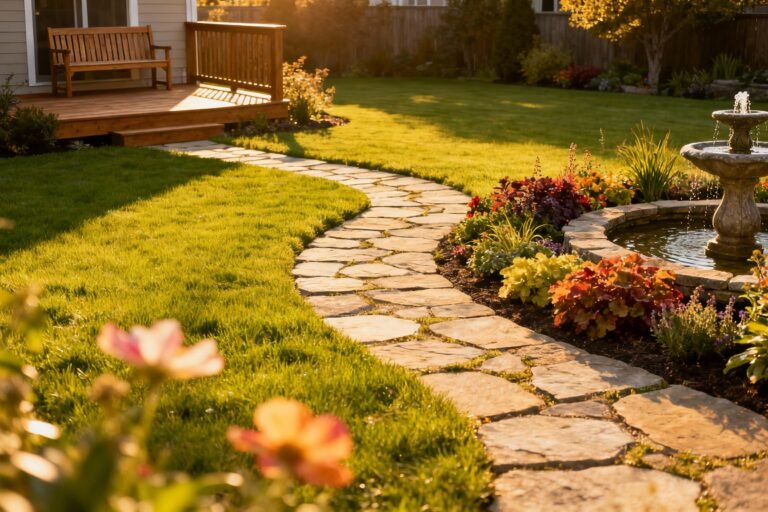
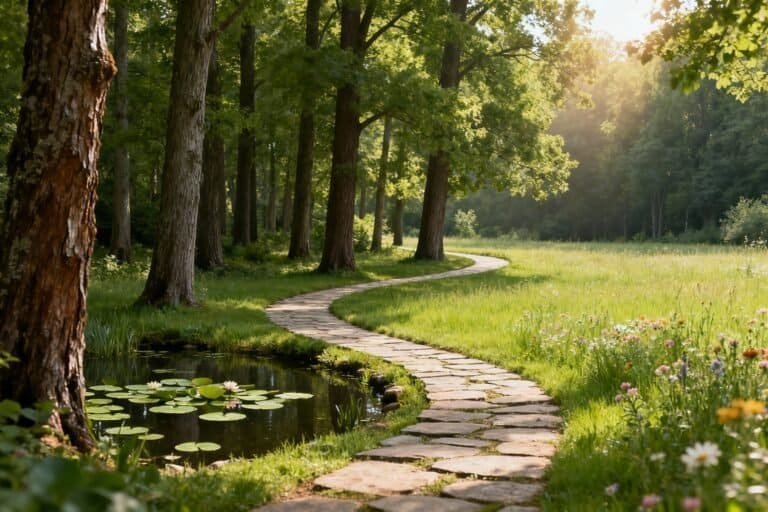
- Paths: Curved = casual. Straight = formal. Use gravel, pavers, or mulch for different feels.
- Patios and seating: Place them where the light hits nicely in the mornings or evenings.
- Focal points: A tree, a sculpture, a water bowl, or even a fancy pot.
One per view line is enough.
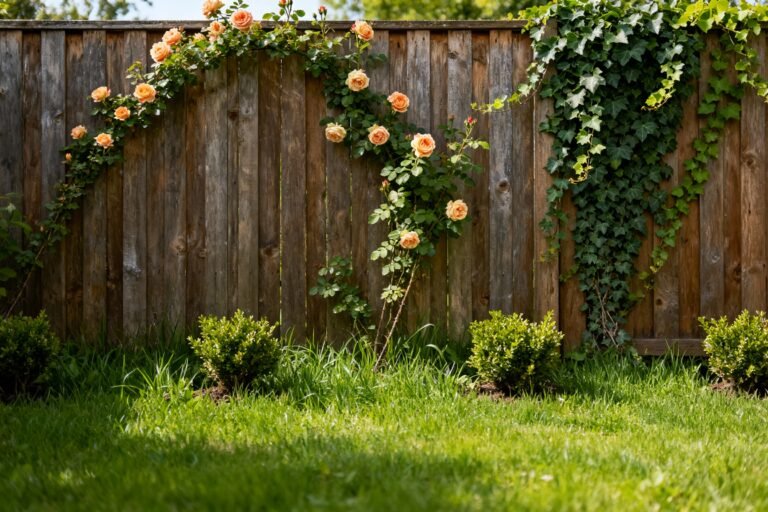
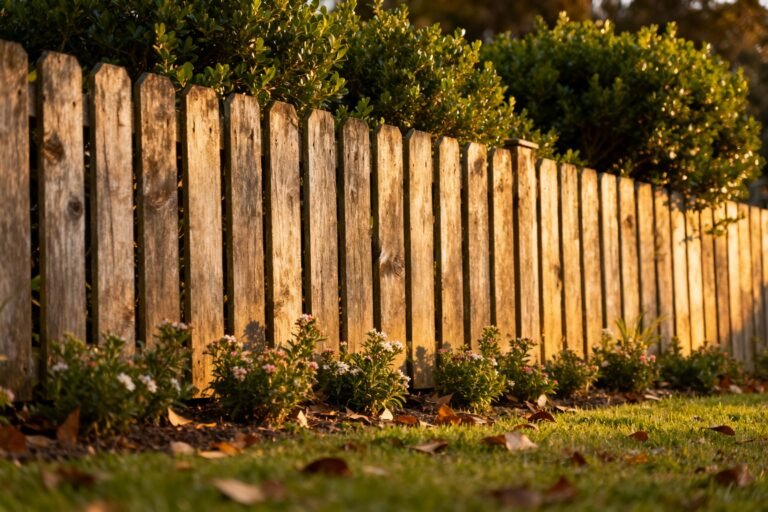
- Screening: Use hedges, trellises, or tall grasses to hide AC units and nosy neighbors. FYI, clumping bamboo works if you choose the non-invasive kind.
Layout Cheat Codes
- Rule of thirds: Don’t put everything dead center. Offset features for drama.
- Repetition: Repeat 2–3 plants or materials to create cohesion.
- Layering: Tall at the back, medium in the middle, low in front.
Easy win.
Plants: Choose Heroes, Sidekicks, and Ground Crew
Think of your planting like casting a movie. You need lead actors, supporting roles, and extras. That mix delivers texture, color, and year-round interest without chaos. The casting list:
- Hero plants: Statement pieces like Japanese maple, olive tree, or agave.
Use sparingly.
- Supporting plants: Shrubs and perennials that bring consistent form—lavender, boxwood, hydrangea, rosemary.
- Ground crew: Fillers and spreaders—creeping thyme, sedum, mondo grass, sweet alyssum.
- Seasonal stars: Bulbs and annuals like tulips, cosmos, or pansies for bursts of color.
Right Plant, Right Place (Yes, Really)
Match plants to your conditions—sun, soil, wind, and rainfall. If you force a shade lover into full sun, it’ll roast. IMO, soil testing is the non-glam step that saves you from heartbreak.
Amend clay with compost, and mulch everything to lock in moisture.
Low-Maintenance Plant Combos
- Sunny, dry: Lavender + yarrow + Russian sage + ornamental grasses.
- Part shade: Heuchera + ferns + hosta + astilbe.
- Wildlife-friendly: Coneflower + milkweed + salvia + bee balm.
Watering, Without the Drama
You don’t need a fancy irrigation system (although drip rocks). You do need consistency. Water deeply and less often to encourage strong roots. Smart watering tips:
- Install drip lines under mulch to reduce evaporation.
- Use a rain barrel if your roof allows it—free water is the best water.
- Group plants by water needs—don’t mix cactus with thirsty hydrangeas.
Mulch = Magic
Mulch suppresses weeds, regulates soil temperature, and boosts moisture.
Go 2–3 inches thick, but keep it off trunks and stems. Don’t suffocate your plants; they’re not into that.
Hardscaping: Where Style Meets Function
Hardscapes define your garden’s vibe. Mix textures for interest without turning it into a materials yard. Material ideas that play well together:
- Gravel + pavers: Informal, affordable, great drainage.
- Brick + timber: Warm and classic, perfect for cottage styles.
- Concrete + steel: Clean, modern, low-fuss.
Lighting That Doesn’t Scream “Runway”
Layer ambient, task, and accent lighting.
Use warm LEDs and aim for glow, not glare.
- Path lights: Safety without airport vibes.
- Uplights: On trees or walls for drama.
- String lights: Instant mood, zero effort.
Small Space? No Problem
You can make a pocket courtyard feel luxe. Work vertical, think multipurpose, and edit ruthlessly. Space-saving moves:
- Vertical planters and trellises for beans, jasmine, or cucumbers.
- Built-in seating with storage for cushions and tools.
- Mirrors on walls or fences to fake depth (weatherproof only).
- One big pot beats five tiny ones.
Anchor the look.
Balcony Micro-Garden
Use lightweight planters, drip trays, and herbs you actually eat: basil, thyme, mint (in a pot—mint is a tyrant). Add a foldable bistro set, and boom: breakfast nook.
Edible Landscaping That Doesn’t Look Like a Farm
Blend beauty and snacks. You can grow food without sacrificing style. Easy edible wins:
- Blueberries as hedges—spring flowers, summer fruit, fall color.
- Rainbow chard in borders for serious color.
- Espalier fruit trees against fences to save space.
- Herb edges like rosemary, sage, and thyme along paths.
Soil Health = Flavor Boost
Compost, mulch, and crop rotation make veggies happier and tastier.
Keep watering steady during fruiting. FYI, stressed plants taste bitter. Same.
Wildlife-Friendly, But Not a Pest Buffet
Invite pollinators and birds while keeping pests in check. Do this:
- Plant native species for nectar and habitat.
- Add a shallow water dish with pebbles for bees and butterflies.
- Use integrated pest management: attract ladybugs, handpick pests, and skip the harsh chemicals.
Deterring the Troublemakers
Rabbits?
Use cloches or low fencing. Deer? Choose unappetizing plants (sage, ferns, hellebores) and add motion lights.
Slugs? Beer traps or copper tape. IMO, deterrence beats warfare.
Seasonal Tune-Ups That Keep Everything Fresh
A tidy garden always looks more “designed.” Schedule small tasks instead of weekend marathons you’ll dread. Seasonal checklist:
- Spring: Divide perennials, mulch, edge beds, fertilize lightly.
- Summer: Deadhead blooms, deep-water, stake tall plants.
- Fall: Plant trees/shrubs, add bulbs, compost leaves.
- Winter: Prune deciduous shrubs/roses (timing varies by zone), clean tools, dream big.
FAQ
How do I pick a color palette for my garden?
Choose two main colors and one accent.
For calm vibes, go cool (blues, purples, whites). For energy, go warm (reds, oranges, yellows). Repeat colors across the garden so it feels intentional, not chaotic.
What’s the cheapest way to make a big impact?
Edge your beds, mulch generously, and add one standout focal point.
These three steps create contrast, tidiness, and a “designed” look for not a lot of cash. Bonus: spray down hard surfaces before guests arrive—it makes everything pop.
How many different plant types should I use?
Aim for variety without clutter. Pick 8–12 species for a medium garden and plant in groups of 3–7.
Repetition reads as calm and cohesive. Random singletons read as “yard sale.”
Do I need a professional designer?
Not necessarily. If your site has major slopes, drainage issues, or you want built-in features, a pro helps.
For typical spaces, you can DIY with a tape measure, a sketch, and patience. Start small, evaluate, then expand.
How do I make my garden drought-tolerant?
Improve soil with compost, choose drought-tolerant plants, and switch to drip irrigation. Mulch everything and water deeply, not daily.
Group plants by water use so you don’t waste resources.
What if my garden gets mostly shade?
Lean into texture and foliage color. Use ferns, hosta, heuchera, hellebores, and Japanese forest grass. Add mirrors or light-colored gravel to brighten things up, and spotlight a sculptural plant or two.
Conclusion
You don’t need perfection.
You need a clear purpose, good bones, and plants that actually want to live with you. Start with one zone, layer in structure, then play with textures and color. Keep watering smart, mulch like a pro, and tweak each season.
Before you know it, you’ll have a garden that feels like you—only greener and slightly smug-worthy.