Garden Planning Tips: Layouts, Plants, and Design Inspiration
You want a garden that looks good, grows well, and doesn’t eat your weekends for breakfast. Good news: you don’t need a landscaping degree or a tractor. You just need a plan that fits your space, your time, and your climate.
Let’s map it out so you get green thumbs without the stress (or a surprise pumpkin takeover).
Start With Your Why (Yes, Really)
Before you buy one seed, decide what this garden does for you. Do you want crunchy lettuce for tacos, a pollinator paradise, or a chic patio jungle? If you aim for all three at once, you’ll end up with chaos and an empty wallet. Pick one main goal:
- Food garden for weekly harvests
- Flower garden for color and pollinators
- Low-maintenance greenery for relaxing vibes
- Kid-friendly garden with easy wins and sensory plants
Set your budget and time too. Be honest: If you have 30 minutes a week, plan for that.
Plants don’t care about your ambition—only your follow-through.
Read Your Space Like a Map
Now, play detective. Grab a notebook or your phone and walk your space at different times of day. You’ll catch patterns that matter more than any fancy plant tag. Check these essentials:
- Sun: How many hours of direct light?
Full sun = 6+ hours. Partial = 3–6. Shade = less than 3.
- Wind: Balconies and corners funnel wind.
Tall plants will sulk or snap.
- Soil: Clay holds water, sand drains fast. Most gardens benefit from compost—shocking, I know.
- Water access: If it’s a hassle to water, you won’t. Place beds near a spigot or use self-watering containers.
- Traffic: Don’t plant where the dog sprints or where you need to walk.
Plants lose that fight every time.
Microclimates: Your Secret Advantage
South-facing walls radiate heat. Low spots freeze first. Sheltered corners stay warmer.
Use hotter spots for tomatoes, cooler ones for greens. It’s like seat selection at a concert—location changes the experience.
Design the Layout (Simple Wins)
You don’t need a perfect sketch. You need a functional layout that makes planting, watering, and harvesting easy.
Walkways wide enough for a wheelbarrow? You’ll thank yourself later. Try one of these:
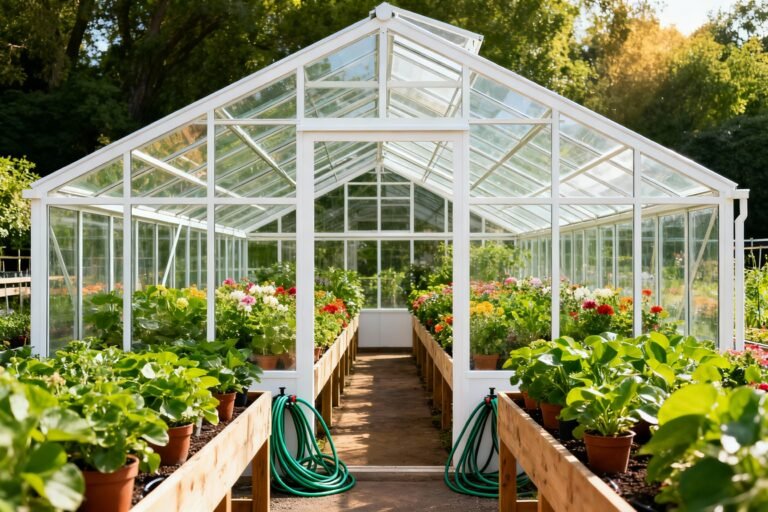
- Raised beds: Great for control and neat edges. Standard width: 3–4 feet so you can reach the center.
- In-ground rows: Budget-friendly and flexible.
Mulch pathways to keep weeds chill.
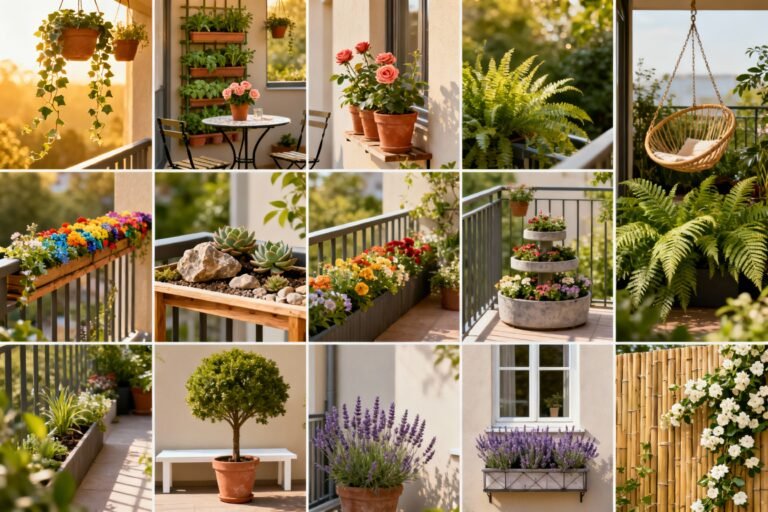
- Containers: Perfect for renters and balconies. Mix sizes for drama and practicality.
Shape and Flow
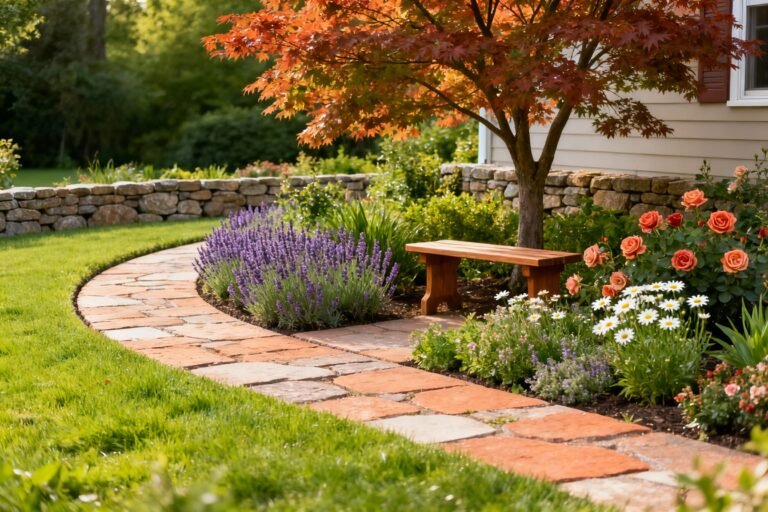
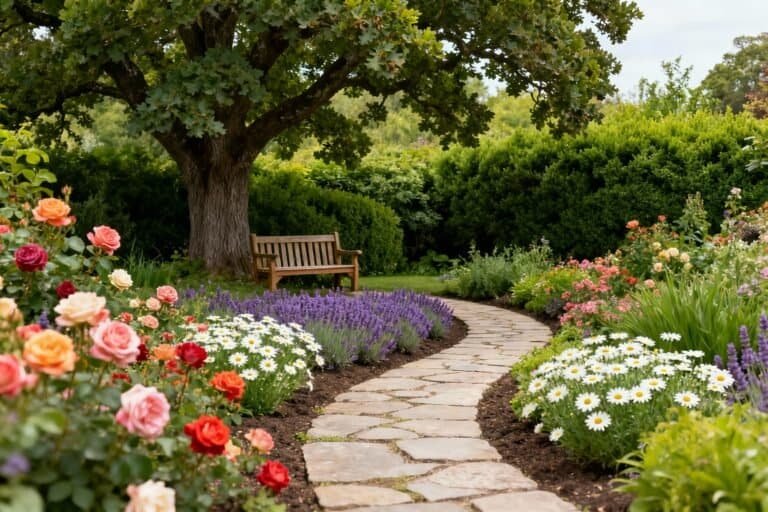
Curved beds soften square yards. Straight lines look tidy and modern.
Put taller plants on the north or west side so they don’t shade the shorties. And leave space for a chair—gardens aren’t just for plants, IMO.
Choose Plants That Like You Back
Plant tags whisper sweet lies. Your climate sets the rules.
Use your USDA hardiness zone and your sun hours as your filter. Then pick varieties bred for your conditions, not for Instagram. Match plants to your goals:
- Beginner edibles: Lettuce, kale, cherry tomatoes, bush beans, zucchini, herbs (basil, parsley, chives).
- Pollinator magnets: Coneflower, salvia, bee balm, yarrow, lavender, zinnias.
- Low-maintenance structure: Boxwood, panicle hydrangea, ornamental grasses, hardy perennials.
Companions and Crop Rotation
Companion planting isn’t magic, but it helps. Pair tomatoes with basil.
Plant marigolds near veggies to discourage pests. Rotate families each season—don’t put tomatoes where tomatoes were last year. It prevents disease buildup and keeps the soil happy.
Seasonal Staging
Plan for waves, not a one-and-done show:
- Spring: Radishes, spinach, snap peas, pansies, tulips.
- Summer: Tomatoes, peppers, cucumbers, zinnias, dahlias.
- Fall: Kale, carrots, mums, asters, garlic (plant in fall, harvest next summer).
Soil: The Part Everyone Skips (Don’t)
Healthy soil grows healthy plants.
You can’t out-fertilize bad dirt. Test your soil every couple of years. If you don’t want a lab test, at least do the squeeze test: sandy crumbles, clay clumps, loam holds together softly. Quick soil upgrade plan:
- Add 1–2 inches of compost across beds each season.
- Mulch with shredded leaves, straw, or wood chips to lock in moisture and suppress weeds.
- Use slow-release organic fertilizer for edibles at planting time.
- Keep soil covered—living plants or mulch—year-round.
Bare soil invites trouble.
Watering Without the Headache
Drip irrigation or soaker hoses save time and reduce disease. Water deeply, less often. Aim for the root zone, not the leaves.
FYI: Morning watering beats evening because leaves dry faster.
Smart Scheduling: Planting and Maintenance
A garden fails when timing goes off the rails. Use a simple calendar and stick to it. You don’t need a spreadsheet (unless you want one—no judgment). Month-by-month basics (adjust for your climate):
- Late winter/early spring: Start seeds indoors for tomatoes/peppers; sow peas and greens outside as soon as soil works.
- After last frost: Plant warm-season crops; set out annual flowers.
- Mid-summer: Succession plant beans and greens; prune tomatoes lightly; stake anything floppy.
- Late summer/fall: Plant fall crops; add mulch; sow cover crops like clover or rye.
- Late fall: Clean tools, compost spent plants, plant garlic, and tuck in perennials.
Routine That Keeps You Sane
Do quick 10-minute tasks a few times a week:
- Check moisture with your finger—water only if dry.
- Pull tiny weeds fast; big ones fight back.
- Harvest often.
It triggers more growth and tastes better.
- Scan for pests—squish, spray with soapy water, or introduce beneficial insects.
Style It Like You Mean It
Function first, but style makes it feel like “your” garden. Repeat colors and textures so it doesn’t look chaotic. Add a focal point: a trellis, a large pot, or a small tree.
Even a quirky birdbath counts. Easy style wins:
- Pick a color palette: cool purples/blues or warm reds/oranges.
- Mix heights: groundcovers, mid-height fillers, and tall accents.
- Layer containers on steps or crates to add depth.
- Lighting matters: string lights, solar stakes, or lanterns for evening vibes.
Wildlife: Invite the Good, Deter the Chaos
Plant nectar and host plants for butterflies and bees. Provide water—shallow dish with pebbles works. If deer treat your yard like a salad bar, choose resistant plants (lavender, yarrow, Russian sage) and use fencing where needed.
IMO, a tidy fence beats a devastated bed.
Common Mistakes (And How to Dodge Them)
Let’s save you some pain:
- Overplanting: Give each plant the space on the label. Crowded plants invite disease.
- Ignoring sun hours: Shade plus tomatoes equals disappointment.
- Watering every day: Teaches roots to stay shallow. Water deeply instead.
- Skipping mulch: Weeds and evaporation win.
Mulch is your friend.
- Planting divas first: Start with easy wins to build momentum.
FAQ
How do I figure out my frost dates?
Search your zip code plus “average frost dates” to find your last spring and first fall frost. Plan warm-season planting after the last frost, and count backward from the first fall frost for autumn crops. Keep row cover on hand for surprise cold snaps.
What’s the best soil mix for containers?
Use a high-quality potting mix, not garden soil.
Add 10–20% compost and a handful of slow-release fertilizer. For large pots, mix in perlite or pine bark for drainage. Replenish nutrients midseason with liquid feed.
Can I grow veggies in partial shade?
Yes—just choose the right ones.
Leafy greens, herbs like mint and parsley, and root crops like beets and radishes handle partial shade. Fruiting crops (tomatoes, peppers, cucumbers) need full sun to produce well.
How do I keep pests under control without harsh chemicals?
Start with healthy soil and proper spacing. Hand-pick pests, spray with insecticidal soap, and use row covers.
Plant flowers like alyssum and dill to attract beneficial insects that hunt the bad guys for you. Nature loves a good team-up.
Do I really need to rotate crops?
If you grow veggies, rotation helps a lot. Move plant families each year—tomato family, squash family, brassicas, legumes—so diseases and pests don’t set up permanent residence.
Containers count too—refresh the soil or swap crops between pots.
How big should I start?
Smaller than you think. A couple of 4×4 beds or five medium containers is plenty for a first season. You’ll learn faster, make fewer mistakes, and still harvest real food.
Expand next year once you’ve got a groove.
Conclusion
You don’t need perfection—you need a plan that fits your life. Start with your goal, read your space, pick plants that match, and set a simple routine. Add style, expect a few hiccups, and celebrate the first cherry tomato like it’s a trophy.
Grow at your pace, and your garden will follow.