7 Beautiful Garden Propagation Station Ideas
Propagation stations turn a few clippings into a jungle—and they look ridiculously cute while doing it. No greenhouse? No problem.
You can root cuttings on a window ledge and still feel like a plant wizard. Ready to set up something that’s both functional and decor-worthy? Let’s make your future plants some stylish baby bottles.
1) The Minimalist Window-Ledge Test Tube Bar
Clean lines, glass tubes, zero visual clutter.
A test tube propagation station on a sunny sill gives you instant science-lab vibes without the lab coat. You’ll spot root growth fast, which feeds your inner plant nerd.
- What you need: A wooden or metal stand, glass test tubes or bud vases, filtered water.
- Best for: Pothos, philodendron, monstera, tradescantia—anything that roots easily.
- Pro tip: Rotate the tubes weekly so the stems don’t lean hard toward the light.
Quick setup steps
- Snip just below a node (where the leaf meets the stem).
- Strip lower leaves so nothing sits underwater.
- Pop stems in the tubes, fill to cover the nodes, and you’re in business.
2) The Vintage Bottle Gallery
Love a little character? Mix amber apothecary bottles, emerald soda bottles, and clear thrifted vases on a shelf.
The color variation hides water discoloration a bit and adds a cozy, collected look. It’s a great excuse to hoard pretty glass. For “design purposes,” of course.
- What to look for: Narrow necks that hold stems upright, sturdy bases, no cracks.
- Style tip: Group by color families or heights for a polished display.
Plants that pop in colored glass
- Begonia cuttings: Leaves glow against amber and green.
- String-of-Heart vines: Delicate strands + tiny bottles = chef’s kiss.
- Coleus: That foliage deserves a dramatic backdrop.
3) The Wall-Mounted Float
Short on surface space?
Go vertical. Wall-mounted propagation shelves or test tube racks turn your plant babies into living art. They also keep curious pets and elbows away—huge win.
- Materials: Floating shelf with lip, adhesive hooks, or a dedicated tube rack.
- Lighting: Place near a bright window, but avoid harsh afternoon beams that cook delicate leaves.
Maintenance made easy
- Swap water weekly: Keeps algae and funk at bay.
- Wipe tubes: A pipe cleaner or bottle brush does wonders.
- Label cuttings: A little washi tape saves you from mystery plant chaos.
4) The Aquaponic-Adjacent Fish Tank Corner
If you already keep fish, you’ve got a built-in propagation powerhouse.
Place cuttings in a floating holder or shallow vase perched on the rim so roots dip into tank water. Fish waste = nitrogen boost. FYI, it’s the most efficient “lazy gardener” hack.
- Best for: Monstera, syngonium, spider plant pups—fast rooters that love nutrients.
- Caution: Keep leaves out of the water, and don’t block filtration or surface agitation.
Bonus: Natural algae control
Plants absorb excess nutrients that algae love.
Less algae, clearer water, happier you. IMO, that’s a triple win.
5) The DIY Macramé Hanging Station
Bring on the boho. A simple macramé hanger with a narrow vase turns any corner into a hovering plant nursery.
It adds movement and keeps counters clear—plus, it looks like you tried very hard. (You didn’t. We love that for you.)
- Supplies: Cotton cord, a ring, a narrow glass vase, scissors, measuring tape.
- Placement: Near a bright window where the vase won’t swing into walls.
Simple macramé blueprint
- Cut 4 long cords, fold in half through the ring, and secure with a gathering knot.
- Knot pairs about 6 inches down to create a basket for the vase.
- Knot again below to cradle the vase, then finish with a tassel.
6) The Shelf-to-Soil Transition Station
Want to streamline the jump from water to soil? Build a staged shelf: top tier for water propagation, middle for leca or perlite, bottom for potting mix.
You’ll move plants down the tiers as they root and acclimate. It feels extra, but it totally works.
- Top tier: Clear bottles + liquid rooting solution (optional).
- Middle tier: Net cups with leca or perlite for semi-hydro acclimation.
- Bottom tier: Small nursery pots with well-draining mix.
Why the step-down method rocks
- Stronger roots: They adapt from water to airy media before soil.
- Less shock: You reduce wilting and “why is my plant mad?” moments.
- Easy monitoring: Transparent containers show root health.
7) The Sunlit Cart With Grow Lights
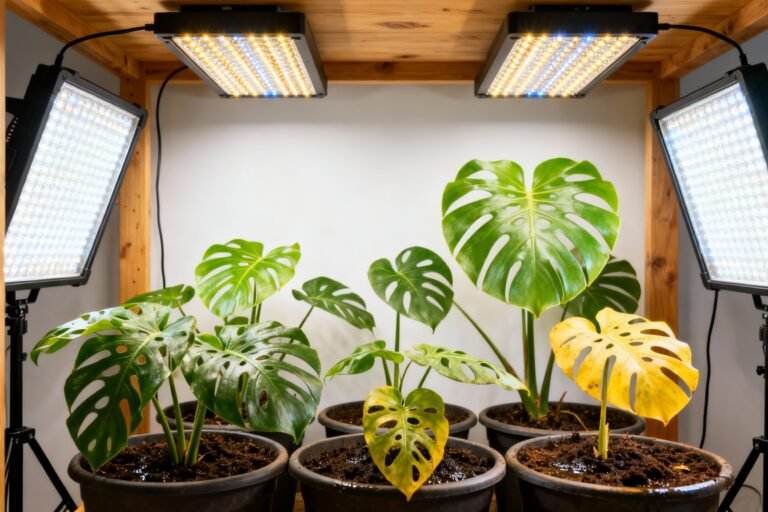
A rolling bar cart with adjustable shelves and a clamp-on grow light turns propagation into a mobile lab. Move it to chase the sun or to hide your plant hoard before guests arrive.
Joking. Mostly.
- Lights: Full-spectrum LED grow bar or clamp lamp with a timer.
- Water stations: Shallow trays to catch drips and protect the cart.
- Organization: Use small bins for scissors, cinnamon (natural anti-fungal), and labels.
Light schedule that works
- 12–14 hours/day: For most cuttings, especially in winter.
- Distance: Keep LEDs 8–12 inches from foliage to prevent crisping.
Rooting Tips You’ll Actually Use
Because yes, details matter—and no, you don’t need a PhD in horticulture.
- Change water weekly: Or every 4–5 days for soft-stem plants.
- Use room-temp filtered water: Chlorine can slow rooting; let tap water sit overnight if needed.
- Snip smart: Cut below a node with clean, sharp shears. Sterilize with alcohol for fewer infections.
- Don’t drown leaves: Submerged foliage rots and stinks.
We want roots, not soup.
- Add oxygen: An air stone in a big vase speeds rooting, IMO. Bubbles = happy roots.
- Be patient: Some plants root in days (pothos), others take weeks (ficus). No doom-scrolling while you wait.
Styling Ideas That Don’t Try Too Hard
Yes, we’re propagating plants, but we’re also making it pretty.
- Mix heights: Combine tall bottles with squat bud vases for visual rhythm.
- Add natural elements: Driftwood, stones, or a ceramic tray elevates the whole setup.
- Keep a color story: Clear + amber + wood feels warm; black metal + clear glass = modern.
- Use trays: Corral everything and make water changes less messy.
- Label with personality: Date your cuttings and add plant names—future you will thank you.
FAQ
How long do cuttings take to root?
Most common houseplants root in 1–4 weeks.
Fast guys like pothos or tradescantia can show roots in under 10 days. Woodier stems (ficus, rubber plant) can take 4–8 weeks. You’ll see tiny white nubs first—give them time to grow to at least 1–2 inches before potting.
Should I use rooting hormone?
It helps, especially for woody plants or stubborn species.
Dip the cut end lightly and tap off the excess—more isn’t better. For easy plants, clean cuts and fresh water do the job just fine.
Why do my cuttings rot in water?
Usually, submerged leaves, dirty containers, or stale water cause rot. Remove any leaf bits below the waterline, sanitize your vases, and change water weekly.
If a stem turns mushy, recut above the rot and try again.
When do I transfer from water to soil?
Move cuttings when roots reach 1–2 inches and you see secondary root branching. Use a light, airy mix (potting soil + perlite). Keep the soil evenly moist for the first week so water roots transition without drama.
Do I need special lights?
Not mandatory if you have bright, indirect light for 6+ hours.
In darker homes or winter, a budget LED grow light with a timer keeps things consistent. Avoid blasting cuttings with intense direct sun—crispy leaves aren’t a vibe.
Can I propagate succulents in water?
Most succulents prefer dry propagation. Let leaf cuttings callus for a few days, then lay them on gritty soil and mist sparingly.
Water propagation works for some exceptions (like certain euphorbia), but soil is usually safer here.
Conclusion
Propagation stations should feel fun, not fussy. Pick a style that fits your space—minimal tubes, vintage bottles, wall shelves, or a rolling cart—and start snipping. Keep the water clean, give them light, and cheer on those tiny roots.
Before you know it, you’ll run out of pots—and honestly, what a delightful problem to have.