DIY Gardening Aesthetic: Transform Your Garden Step by Step
Gardens don’t need to look like museum exhibits. They need to feel like you. Maybe that’s wild meadows, maybe it’s clean lines and matching pots, maybe it’s “I rescued this fern from the clearance rack.” Your gardening aesthetic isn’t about rules—it’s about a vibe that makes you want to step outside and stay a while.
Ready to build one you actually love?
So… What Even Is a “Gardening Aesthetic”?
It’s the mood your garden gives off at first glance. Think soundtrack, not sheet music. You’re designing how your space feels: cozy, dramatic, serene, whimsical, or downright maximalist. It’s less about fancy plants and more about consistent choices. Colors, shapes, textures, and even garden furniture tell the story.
If you can name your vibe in five words—“chill cottage with soft blues”—you’re already winning.
Pick Your Vibe (Then Go All In)
You don’t need to commit for life, but picking a theme upfront keeps you from buying random stuff that doesn’t play nice together. A few fun starting points:
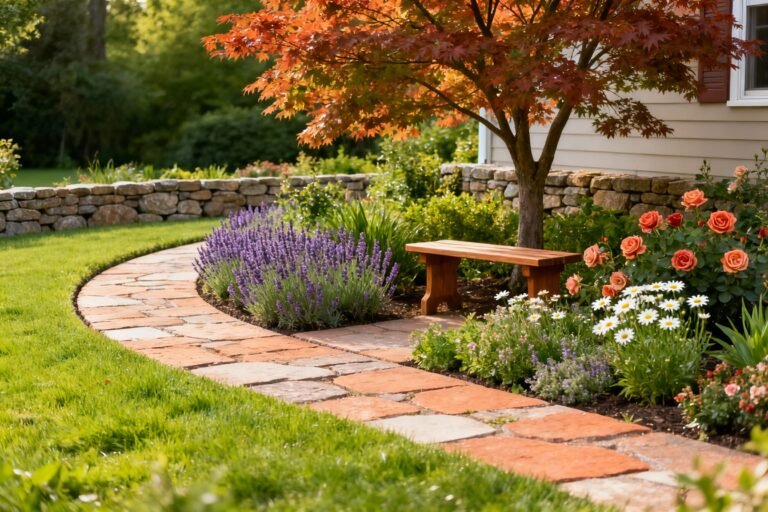
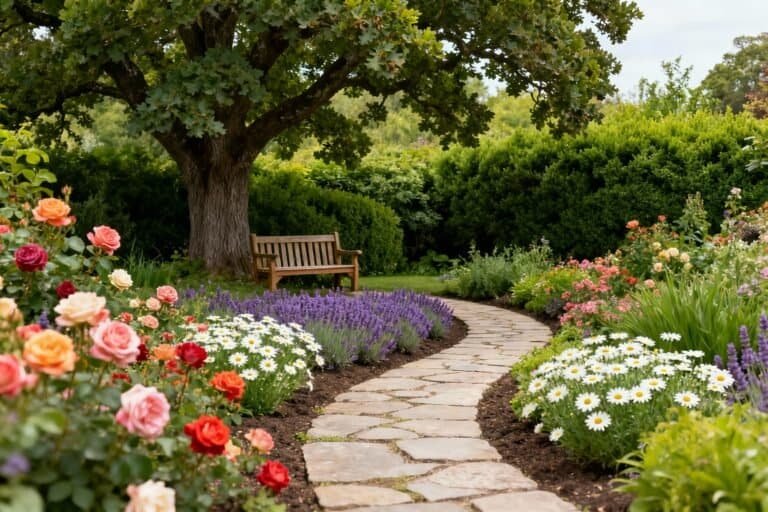
- Cottagecore: Soft colors, overflowing borders, roses and foxgloves, mismatched terracotta pots. Imperfection looks intentional here.
- Modern Minimal: Clean lines, architectural plants (think agave, boxwood), gravel, and a tight color palette.
Black planters = instant drama.
- Mediterranean Chill: Olives, lavender, rosemary, warm stone, blue/white tiles. Smells like vacation.
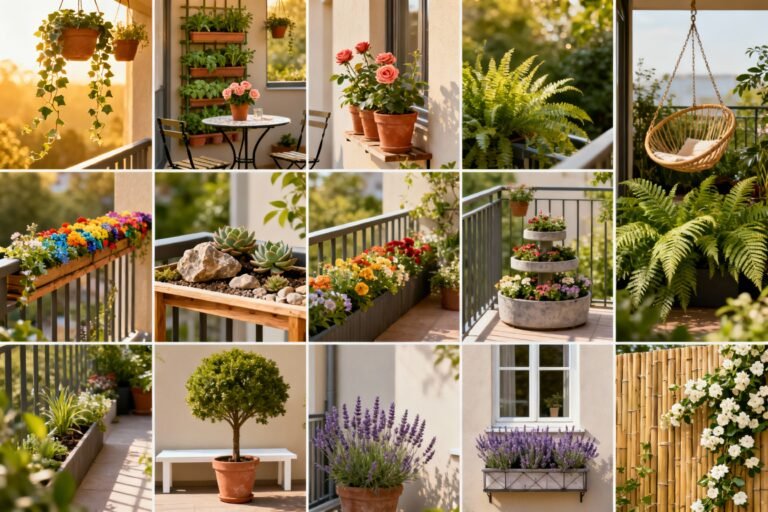
- Jungle Balcony: Big leaves, layered heights, hanging planters, moss poles. Bonus points if you lose a shoe in the foliage.
- Wild Meadow: Native plants, grasses, seed-sown drifts, pollinator chaos (the good kind).
Less mowing, more butterflies.
How to Test a Theme Without Regret-Buying
Make a quick mood board with 8–10 images. Pick a 3–4 color palette. Choose 2–3 repeat materials (terracotta, black steel, cedar). If a new item doesn’t fit that mini checklist, skip it. Your future self will thank you.
Color: Your Garden’s Secret Superpower
Color can calm or electrify your space.
Choose your palette with intention, then repeat it.
- Cool scheme (blues, purples, whites): Soothing and spacious. Good for small yards and balconies.
- Warm scheme (reds, oranges, yellows): Bold, energetic, great for entertaining areas.
- Monochrome: Different tones of one color—looks curated with zero effort.
Pro move: Match your planter colors to your bloom palette. Even your cushions or watering can can join the theme.
FYI, a single pop color (like mustard or terracotta) repeated around the space ties everything together.
Seasonal Color That Doesn’t Ghost You
Plan for year-round interest:
- Spring: Tulips, daffodils, hellebores, flowering trees.
- Summer: Dahlias, roses, salvias, hydrangeas.
- Fall: Asters, ornamental grasses, Japanese maples.
- Winter: Evergreens, red-twig dogwood, seed heads, bark texture.
Aesthetic isn’t just flowers. Seed heads and bark can look gorgeous against winter light. IMO, grasses carry a garden through more seasons than almost anything else.
Shape, Texture, and Height: Design Without Overthinking
Plants behave like furniture.
Use them to create structure and flow.
- Lines: Curved beds feel relaxed; straight edges read modern. Pick one and repeat.
- Shapes: Mix round mounds (lavender), uprights (lupines), and spiky forms (yucca). Visual variety = interest.
- Texture: Pair glossy leaves with feathery foliage.
Big leaves next to tiny leaves? Chef’s kiss.
- Layering: Tall in back, mid-height in middle, low trailing up front. Simple, effective.
Anchor Plants = Instant Credibility
Add 1–3 evergreen shrubs or structural planters to each bed or balcony zone.
They give your space bones so it still looks good when blooms take a break. Repeat the same anchor plants for cohesion.
Containers, Paths, and “Stuff”: The Style Glue
Hardscape and accessories do heavy lifting for vibe. You don’t need a full renovation—just consistency.
- Containers: Pick one material/color family and stick to it (all terracotta, all matte black). Mix sizes, not styles.
- Paths: Gravel feels relaxed, pavers read polished, stepping stones say “I’m whimsical, but I have errands.”
- Furniture: Wood warms, metal modernizes.
Cushions and throws echo your color palette.
- Lighting: Warm-toned string lights or solar stakes = instant magic. Avoid cold blue bulbs unless you want spaceship vibes.
- Water features: Even a tabletop fountain softens noise and ups the serenity factor.
Editing matters. Too many styles create visual noise. Choose a few repeated elements and let them sing.
Micro-Spaces That Steal the Show
Try:
- A styled pot cluster: Three pots, varying heights, same material.
One thriller, one filler, one spiller. Classic for a reason.
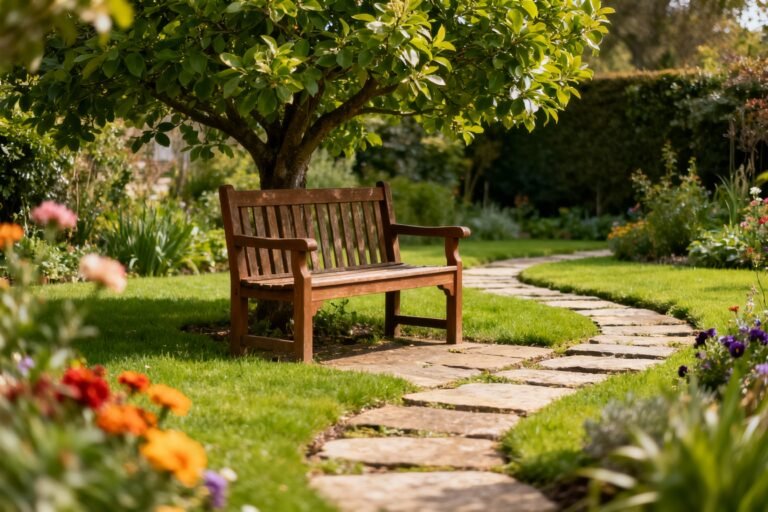
- A vignette corner: Bench + side table + lantern + potted olive. Suddenly, you host things.
- A vertical moment: Trellis with jasmine or beans.
Adds height and fragrance without eating floor space.
Low-Maintenance Aesthetic (Yes, It Exists)
You can have pretty and practical. You just need plants that match your actual lifestyle, not the fantasy version of you who wakes up at 6 a.m. to deadhead.
- Right plant, right place: Sun lovers in sun, shade lovers in shade. This solves 80% of problems.
- Perennials over annuals: Less replanting, more consistency.
Mix a few annuals for pops.
- Mulch: Saves water, blocks weeds, looks tidy. Your soil will write you a thank-you note.
- Drip irrigation or soaker hoses: Unsexy but life-changing. Set it and forget it.
- Native plants: Adapted, resilient, pollinator-friendly.
They just get it.
Easy-Mode Plant List (General, Check Your Zone)
- Sunny: Lavender, catmint, salvia, yarrow, sedum, rosemary, ornamental grasses.
- Shady: Hosta, heuchera, ferns, hellebore, astilbe, Japanese forest grass.
- Containers: Olive, bay, dwarf conifers, pelargoniums, trailing ivy, calibrachoa.
FYI: group plants by water needs so you don’t drown succulents and dehydrate hydrangeas. They have boundaries, respect them.
Small Spaces, Big Vibes
Balconies and tiny yards can go full aesthetic if you think vertically and repeat motifs.
- Go tall: Trellises, wall planters, hanging baskets. Stack layers like a pro.
- Limit colors: Two main colors + one accent keeps things crisp.
- Foldable furniture: Bistro sets that tuck away leave room for plants (the real VIPs).
- Mirrors: Reflect light and space—but secure them well and avoid direct sun glare.
Balcony Formula That Works Every Time
Pick 5–7 plants and repeat them instead of buying 20 random ones.
Add a rug, one statement pot, string lights, and a small table. Boom: instant aesthetic with zero visual clutter.
FAQ
How do I find my gardening aesthetic if I like everything?
Create two mood boards: one “soft and organic,” one “clean and structured.” Live with both for a week and notice which one makes you excited to step outside. Then commit to that for one season. You can always pivot next year—gardens evolve and so can your taste.
Can I mix styles without chaos?
Yes—mix, don’t mash.
Choose one dominant style (70%) and one supporting style (30%). Use color and materials to bridge them—like modern black planters with cottagey lavender. Keep repetition strong so it reads intentional, not yard sale.
What’s the cheapest way to elevate my garden’s look?
Edit and repeat. Clean up edges, mulch beds, group pots by material, and repeat one accent color across cushions, watering cans, and lanterns.
Add solar lights for evenings. IMO, a $20 bag of mulch and a $15 string light set do more than a $200 plant haul.
How do I keep it low-maintenance but still lush?
Use drought-tolerant perennials, layer in ornamental grasses, and install drip irrigation. Choose plants that thrive in your light conditions and soil.
Cut back in late winter, mulch in spring, and call it a day. Your future weekends just opened up.
What if my space gets weird light?
Track it for a week: morning sun vs. afternoon sun matters. Morning sun + afternoon shade suits lots of “part shade” plants.
Deep shade? Lean into ferns, hostas, and texture. Blazing sun?
Mediterranean plants will happily sunbathe while you hide inside.
Do I need perfect symmetry?
Nope. Symmetry reads formal; asymmetry feels relaxed and natural. If something looks off, balance it with visual weight—like one large pot on one side and two smaller pots on the other.
It’s balance, not mirror images.
Conclusion
Your gardening aesthetic isn’t a checklist—it’s a feeling you build with color, shape, and a few smart repeats. Choose a vibe, commit a little, and let your plants do their thing while you enjoy the scene. Keep it simple, keep it you, and remember: the only wrong garden is the one you never sit in.
Now go outside and make something gorgeous.