10 Genius Ways To Speed Up Garden Maintenance
You want your garden to look amazing without spending every free hour hauling hoses and wrestling weeds, right? Good. Let’s fast-track your routine with smart tricks that shave minutes (and sometimes hours) off boring chores.
These tips work whether you’ve got a postage-stamp patio or a sprawling jungle. Grab your gloves—your weekend just got longer.
Plant Once, Water Less
Drought-tolerant plants cut your watering time by a lot. Think lavender, salvia, sedum, yarrow, and rosemary.
They thrive with neglect, which, IMO, is the best personality trait in a plant.
- Group by water needs: Put thirsty plants together and tough ones together. You’ll avoid overspray and confusion.
- Mulch generously: Two to three inches of mulch locks in moisture and blocks weeds, so you water and weed less.
- Choose natives: Native plants handle your climate better, so they demand less pampering.
Smart Mulch Choices
Shredded bark looks neat and lasts. Straw works in veggie beds and breaks down nicely.
Avoid rock mulch in hot climates unless you love baked soil and sad plants.
Automate Your Watering
Hand-watering feels zen until you realize you’ve spent half your Sunday doing it. Automate and reclaim your time.
- Drip irrigation: Delivers water to roots, not leaves. Fewer weeds, less disease, and no water waste.
- Soaker hoses: Cheap, fast to set up, and perfect for beds and hedges.
- Smart timers: Set schedules and skip cycles when it rains.
FYI, even a basic battery timer saves hours.
Pro Tip: Zones Matter
Put sun-loving, thirsty plants on one zone and shade-tolerant ones on another. One-size-fits-all watering equals soggy hostas and crispy tomatoes.
Go Big on Weed Prevention
Weeding steals joy. Stop weeds before they start and you’ll feel like a genius.
- Use landscape fabric wisely: Great under gravel paths and permanent plantings.
Not ideal in veggie beds.
- Pre-emergent weed control: Corn gluten meal or targeted pre-emergents prevent seeds from sprouting. Don’t use where you want seeds to grow.
- Edge barriers: Metal or deep plastic edging keeps lawn grass from invading beds. It’s not glamorous, but it works.
Fast Weeding Routine
Hit weeds when soil’s damp, pull with a stirrup hoe, and move on.
Ten minutes after rain beats an hour in dry soil, every time.
Choose Plants That Behave
Some plants act like polite citizens. Others spread like a rumor. Pick the former.
- Clumping grasses over running grasses: Fountain grass, not bamboo (unless you like regret).
- Compact varieties: Look for “dwarf,” “compact,” or “tidy” in plant names to reduce pruning.
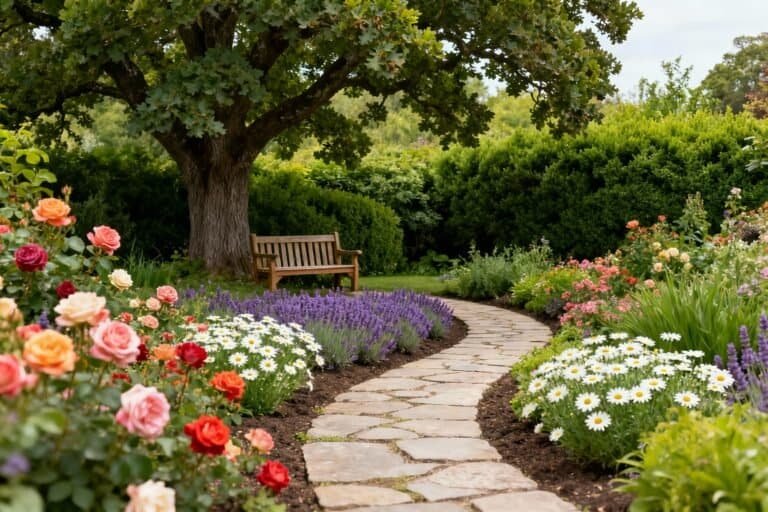
- Perennials with long bloom times: Less deadheading, more color.
Try coneflower, catmint, and coreopsis.
Contain the Chaos
Love aggressive plants? Pot them in the ground with buried nursery pots or root barriers. You get the look without the takeover.
Rethink Your Lawn (Or Shrink It)
Lawns demand mowing, edging, feeding, and water.
Reduce the square footage and your maintenance drops instantly.
- Plant groundcovers: Creeping thyme, mazus, or clover look lush and handle foot traffic.
- Expand beds with mulch or gravel: Add curves for style and skip the weekly mow along edges.
- Choose the right mower: A mulching mower returns nutrients and kills the bagging chore.
No-Mow Zones
Turn tricky patches—steep slopes, awkward corners—into native meadow strips or shrub islands. Your back will send thank-you notes.
Batch Your Tasks Like a Pro
Random puttering eats time. Plan small, focused bursts and finish faster.
- Weekly 30-minute blitz: Set a timer.
Deadhead, spot-weed, and check irrigation. Done.
- Monthly deep dive: Prune, edge, and refresh mulch where needed.
- Seasonal reset: Spring prep, summer tidy, fall cleanup, winter tool care.
Make a Garden Staging Area
Keep gloves, pruners, twine, and a bucket in one reachable spot. You’ll avoid the classic “Where did I put the snips?” treasure hunt.
Use Tools That Do More
Right tools = faster work and less swearing.
Simple math.
- Bypass pruners + folding saw: 90% of pruning jobs handled.
- Stirrup hoe: Slides under the soil and slices weeds quickly—no yanking.
- Long-handled loppers: Reach deep into shrubs without crawling in like a raccoon.
- Wheelbarrow with flat-free tires: No more surprise flats mid-mulch.
Battery Power FTW
Modern battery trimmers, blowers, and mowers cut noise, fumes, and hassle. Swap batteries and keep rolling. IMO, worth every penny.
Feed the Soil, Not the Calendar
You don’t need to fertilize constantly.
Build healthy soil and your plants do more of the work.
- Compost once or twice a year: A thin top-dress boosts microbes and moisture retention.
- Slow-release fertilizers: They feed steadily, so you avoid frequent applications.
- Leaf mold and worm castings: Tiny additions, big impact on structure and plant resilience.
Quick Composting Hacks
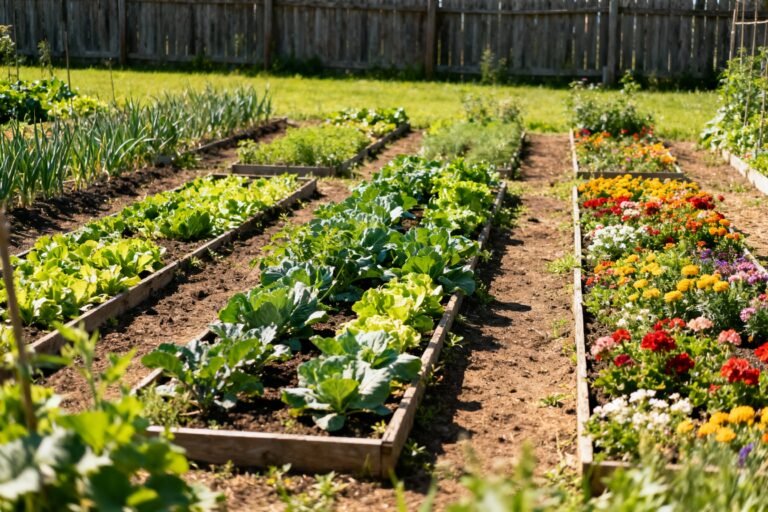
Chop kitchen scraps smaller, layer browns and greens, and keep it moist like a wrung-out sponge. Or skip the bin altogether and trench-compost between rows in veggie beds.
Design for Easy Maintenance
A beautiful garden can still run on low effort if you design with maintenance in mind.
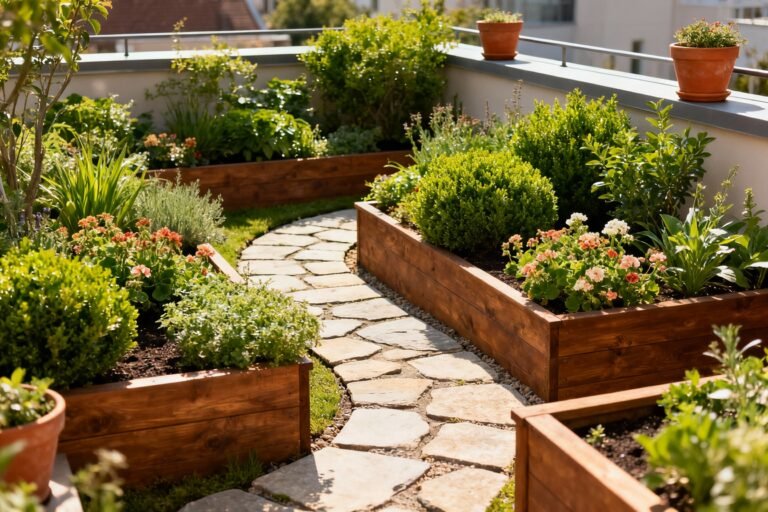
- Wider paths: Make wheelbarrow-friendly paths at least 30–36 inches wide.
- Fewer, larger beds: Large masses of the same plant look modern and reduce fiddly edges.
- Access points: Leave stepping stones or pavers inside big beds for quick pruning and weeding without trampling.
Containers, But Smarter
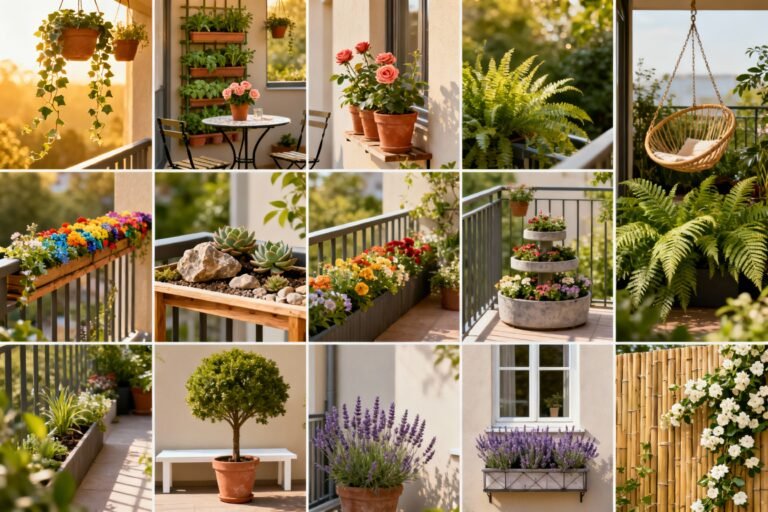
Use fewer, bigger pots with built-in reservoirs. Larger soil volume means less watering, and reservoirs buy you extra days in summer.
Self-watering for the win.
Harvest and Tidy While You Stroll
Make maintenance part of your walk-through. You’ll keep ahead of problems without dedicated marathon sessions.
- Pocket pruners: Snip dead bits as you go.
- Bucket routine: Carry a small bucket for weeds and clippings on your evening loop.
- Scout pests early: Squish a few aphids before they become a soap-spray situation.
Set Friendly Defaults
Tie up tomatoes when you first notice floppiness, not when they’ve faceplanted. Add labels, so you remember what needs deadheading and what should go to seed.
FAQ
How do I cut watering time without installing an entire irrigation system?
Use soaker hoses with quick-connect fittings and a simple timer.
Lay them under mulch and snake them through beds. You’ll water everything in 15–30 minutes while you sip iced tea instead of lugging hoses.
What’s the fastest way to reduce weeds this season?
Mulch everything you can reach, then hit remaining weeds weekly with a stirrup hoe. Add a pre-emergent in non-seeded areas.
That combo drops your weeding time dramatically within a month.
Which plants give me color with almost no maintenance?
Go for catmint, coneflower, black-eyed Susan, sedum ‘Autumn Joy,’ and dwarf ornamental grasses. They bloom long, handle heat, and don’t need constant deadheading. Toss in a few shrubs like spirea or hydrangea for structure.
Is lawn replacement really worth the trouble?
If you hate mowing or you live where summers scorch, yes.
Replace tricky zones with groundcovers, gravel, or beds, and keep a smaller “feature” lawn. You’ll cut water use and maintenance while the garden still looks polished.
How do I keep pruning from eating my weekends?
Choose compact varieties, then prune lightly and often. Carry pruners on your walk and remove crossing or dead branches when you spot them.
Micro-pruning beats a once-a-year hedge wrestling match.
Do I need fancy tools to speed things up?
Not fancy—just efficient. Good pruners, a stirrup hoe, and a battery blower save time every week. Upgrade where it counts and skip the gimmicks.
Conclusion
You don’t need more hours; you need smarter moves.
Pick tough plants, automate the water, block weeds, and design for easy upkeep. Layer in the right tools and quick routines, and your garden starts to run itself—well, almost. FYI: the best part is the extra time you’ll spend enjoying it instead of maintaining it.