Good Night Flowers: Elegant Blooms for Evening Inspiration
Some nights need a little ceremony, don’t they? A soft light, a deep breath, maybe a flower on the nightstand that whispers, “You can power down now.” Good night flowers do exactly that—they turn bedtime into a mood. Think of them as nature’s lullabies, minus the awkward singing.
Why Flowers at Night Just Work
You know how you tidy your desk before logging off?
Flowers do that for your brain at bedtime. They signal, “We’re shifting gears now,” and your mind listens. Plus, a gentle scent and a touch of color can make your room feel like a spa that doesn’t judge your pile of laundry. Good night flowers create a ritual. Even a quick, “Hello, jasmine,” can cue relaxation.
Your senses catch the hint and your nervous system follows. FYI: You don’t need a whole bouquet. One or two stems can do the job.
The Best Flowers for Bedtime Vibes
Not every bloom suits nighttime.
You want calm, clean, and not-too-loud—visually and aromatically. Here are MVPs that bring chill energy, not chaos.
- Jasmine: Lightly sweet and dreamy. Many people find it soothing and reassuring.
Put one near your window, and thank me later.
- Lavender: The classic. It basically wears pajamas year-round. Gentle scent, muted color, zero drama.
- Gardenia: Creamy, lush, and romantic.
Stronger scent, so go easy if you’re scent-sensitive.
- Chamomile: Looks like tiny daisies; the warm, apple-y aroma feels cozy without being cloying.
- Freesia: Clean and crisp. Adds brightness without shouting.
- Peace Lily: Technically not a “flower”-forward pick at night, but the white blooms plus air-clearing vibes? Chef’s kiss.
- Night-Blooming Cereus: If you can catch it in bloom, it’s like a lunar event.
Epic fragrance, short window—makes bedtime feel special.
What to Skip
Some flowers smell like a perfume section exploded. Save these for brunch:
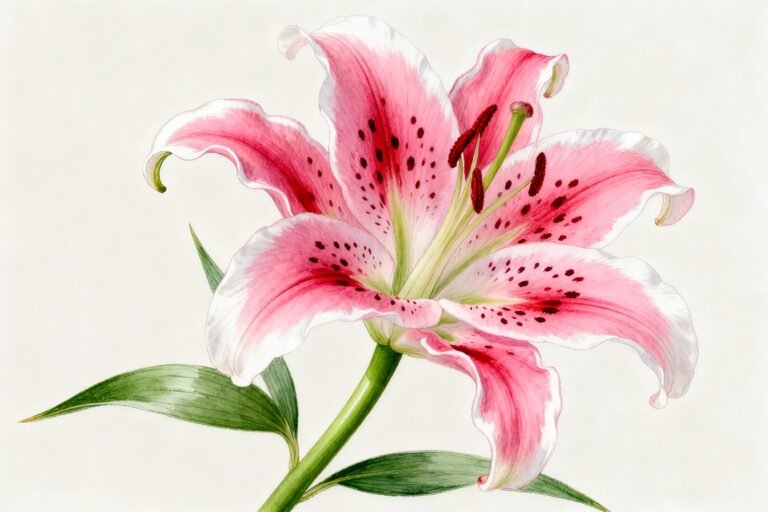
- Stargazer lilies: Gorgeous, but the scent steamrolls everything.
- Hyacinths: Powerful and lingering—great in hallways, not by your pillow.
- Heavily pollen-shedding blooms: Pollen = sneeze party. Not the bedtime vibe.
How to Arrange a Simple “Good Night” Bouquet
You don’t need florist skills.
You need intention and a small vase. Keep it tiny, keep it tidy, and keep it low enough so you don’t whack it during a midnight water run.
- Pick 1-2 focal blooms: Lavender sprigs + a single gardenia works beautifully.
- Add a calm filler: Think eucalyptus, ruscus, or soft baby’s breath (sparingly).
- Choose a small vessel: A bud vase or teacup keeps things understated and chic.
- Trim stems at an angle: Fresh cut = better water uptake and longer life.
- Place at arm’s length: Close enough to enjoy, far enough to avoid perfume overload.
Color Matters at Night
Your eyes crave cool, low-stimulation colors at bedtime.
- Go for: Whites, creams, pale lilac, dusty pink, soft peach.
- Avoid: High-contrast reds and neon brights. Save drama for daylight.
Scent: The Goldilocks Zone
Your nose doesn’t clock out at night, but it does get grumpy.
Strong scents can cause headaches or restlessness. You want gentle and steady, not a fragrance avalanche. Pro tip: Move the vase 3-6 feet from your pillow. That distance lets scent soften while your brain still registers it as calming.
If You’re Scent-Sensitive
Try unscented beauties that still bring the bedtime vibe:
- Anemone (simple, elegant, easy on the senses)
- Ranunculus (layered petals, high romance, low smell)
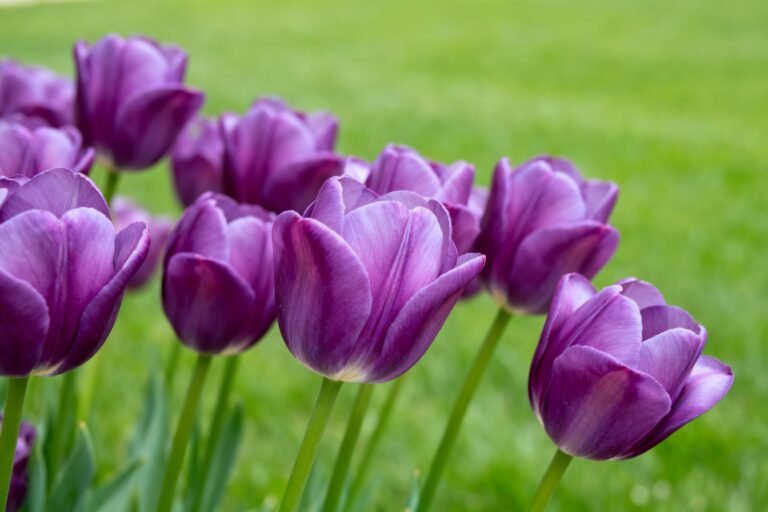
- Tulips (fresh, sculptural, surprisingly soothing)
Care Tips So Your Nightstand Doesn’t Become a Swamp
Short version: Keep them fresh and minimal.
No one wants swamp water aura in their sanctuary.
- Change the water daily: Tiny vase, tiny water—so it gets funky fast.
- Remove leaves below the waterline: Leaves rot; rot smells; case closed.
- Keep away from direct heat or AC: Blooms last longer when they’re not battling a climate war.
- Trim stems every other day: A quick snip revives uptake like coffee revives you at 8 a.m.
- Rotate flowers weekly: IMO, swapping varieties keeps the ritual fresh and fun.
Budget-Friendly Alternatives
Fresh flowers every week can add up. You can keep the ritual without burning cash.
- Dry lavender bundles: Soft scent, long-lasting, low maintenance.
- Single-stem rotation: One standout bloom per week—simple and stylish.
- Potted jasmine or peace lily: Longer-term investment, consistent joy.
Rituals That Make “Good Night Flowers” Actually Work
Pretty flowers alone won’t flip your off switch, but they can anchor a bedtime routine. Link them to small, repeatable actions your brain recognizes.
- Turn off overhead lights, switch to a warm lamp, and set your flowers in view.
- Take three deep breaths while focusing on scent or color.
Cheesy? Maybe. Effective?
Yes.
- Write one calming thought or gratitude note. Flowers present, spiraling thoughts absent.
- Phone face down while you admire your tiny floral masterpiece. Revolutionary, I know.
Pairing with Other Sleep Aids
Look, we’re not building a wellness cult here.
Just a few sensible add-ons:
- Soft white-noise or gentle music for auditory calm.
- Warm dim bulbs (2700K or lower) so your eyes chill out.
- Light textile textures—linen or cotton—so the room feels breathable, not stuffy.
Seasonal Ideas That Keep Things Interesting
You can match your good night flowers to the season for extra charm (and better prices).
- Spring: Freesia, tulips, sweet peas. Fresh, light, and hopeful.
- Summer: Jasmine, chamomile, gardenias. Long evenings, lazy scents.
- Autumn: Dahlias (choose softer tones), chrysanthemums, eucalyptus sprigs.
- Winter: Paperwhites (go easy—they’re potent), hellebores, dried lavender or cotton stems.
Mini Theme Nights
Because why not make bedtime fun?
- “Moonlight”: White roses + dusty miller + a silver bud vase.
- “Forest Nap”: Fern fronds + white ranunculus + cedar sprig.
- “Spa Night”: Lavender + eucalyptus + neutral ceramic cup.
FAQ
Do flowers in the bedroom reduce oxygen at night?
Plants respire at night, but a small vase or a couple of potted plants won’t choke out your room.
The oxygen change is negligible. If your bedroom feels stuffy, crack a window or run a fan—problem solved.
What if I’m allergic to pollen?
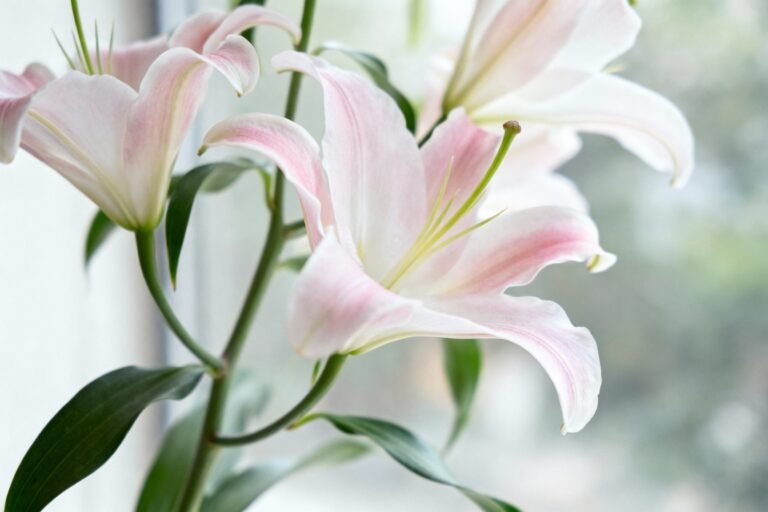
Choose low-pollen or tightly petaled flowers like ranunculus, roses, or orchids. Strip off any pollen-heavy stamens (looking at you, lilies).
You can also go with dried lavender or high-quality faux flowers for the visual cue without the sneeze soundtrack.
How long do good night flowers usually last?
Cut flowers typically last 3–7 days, depending on the variety and care. Trim stems, change water daily, and keep them cool to stretch their lifespan. IMO, smaller, frequent refreshes feel nicer than one big, dying bouquet.
Are essential oils a good substitute?
They can be, if you use them gently.
Diffuse for short bursts (15–30 minutes) and keep them away from pets and kids. Fresh blooms give a more nuanced, natural scent, but oils win on consistency and cost.
Can I mix scented candles with flowers?
Yes, but pick complementary profiles. A lavender candle with jasmine flowers = dreamy.
Lavender with a vanilla-bomb candle = dessert cart. Also, keep candles away from petals—they’re flammable, obviously.
What’s the best place to put them?
Aim for your nightstand or dresser, within sight line from bed, but 3–6 feet from your face. Near a soft lamp works great.
Keep them off the path where you stumble at 2 a.m. hunting for water.
Conclusion
Good night flowers don’t need a big budget or a design degree. They’re a tiny nightly ritual that tells your brain, “Shh, we’re done here.” Try one stem, one scent, and a few deep breaths. You might just start looking forward to bedtime—no melatonin required, FYI.