Greenhouse Ideas: Creative Designs for Year-Round Gardening
Greenhouse fever hit you too? Same. There’s something addictive about stepping into a warm, sunlit bubble and seeing plants thrive like tiny green overachievers.
Whether you want fresh tomatoes in February or a space to escape your inbox, a greenhouse makes it happen. Let’s talk practical, creative, and slightly extra greenhouse ideas that you can actually use.
Start Small, Grow Bold: Right-Size Your Greenhouse
You don’t need a glass palace to get started. A compact lean-to or a 6×8 freestanding unit often beats a giant structure you can’t maintain.
Smaller spaces heat faster, cost less, and demand fewer “oops, I forgot to water” moments. Pro tip: Choose size by your top priority:
- Seed starting: Go small with good shelving and lights.
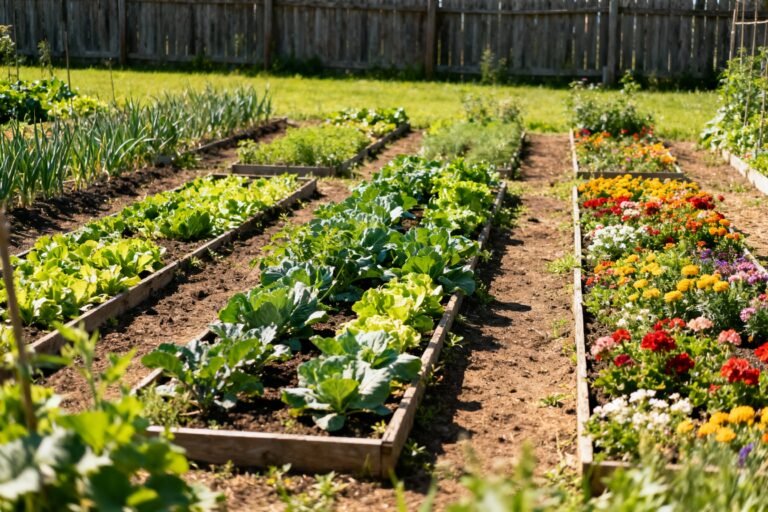
- Year-round veggies: Medium size with room for grow beds.
- Orchid jungle: Taller structure with adjustable vents.
Lean-to vs. Freestanding
- Lean-to: Cheaper, easy to access power/water, steals heat from your house.
- Freestanding: Better sun exposure, more aesthetics, nicer airflow options.
Materials That Actually Make Sense
Let’s talk covers and frames without the snooze. You have three main glazing paths:
- Polycarbonate panels: Durable, light, and great insulation.
The 8mm twin-wall option hits a sweet spot for most home growers.
- Glass: Gorgeous, long-lasting, heavy, and less insulating. If you love the Victorian vibe, IMO it’s worth it — just plan for heating.
- Poly film: Budget-friendly and easy to install. Replace every few years.
Great for experimentation.
For frames:
- Aluminum: Light, low-maintenance, looks sleek.
- Wood: Cozy, customizable, needs protection from moisture.
- Galvanized steel: Strong and stable; perfect for bigger builds.
FYI: If you get heavy snow or wind, go with stronger framing and secure anchoring. Plants hate flying.
Layout Like a Pro (Without Overthinking It)
Good layouts keep you from playing plant Tetris every weekend. Leave a central aisle at least 24-30 inches wide, then add benches or raised beds on both sides.
Keep tall crops north, shorter stuff south so everyone gets light.
Shelving and Zones
- Upper shelves: Seed trays and light lovers.
- Mid-level: Herbs and compact veggies you grab daily.
- Floor/raised beds: Tomatoes, cucumbers, citrus trees.
Smart Circulation
Add a small oscillating fan. It strengthens stems, reduces disease, and keeps hot spots from turning plants crispy. You’d be surprised what a $20 fan can do.
Climate Control: Cozy, Not Costly
You don’t need to remortgage your house for heating.
Mix passive tactics with targeted tools.
- Thermal mass: Black-painted water barrels store heat by day, release it at night.
- Automatic vent openers: They open with temperature changes. No electricity. Magic?
Almost.
- Shade cloth: 30–50% shade in summer keeps things sane.
- Space heater with thermostat: For cold snaps. Set to the lowest temp your plants tolerate.
- Heat mats: Perfect for seed starting without heating the entire building.
IMO: A good thermometer/hygrometer combo beats any fancy gadget. If you don’t measure, you just vibe — and plants don’t vibe well at 104°F.
Watering Without the Drama
Watering by hand feels zen until life happens.
Automate at least part of it.
- Drip irrigation: Delivers water right to roots, reduces disease.
- Capillary mats: Trays wick water to seedlings — minimal fuss.
- Rain barrels: Free water and a backup for dry spells. Add a simple filter to keep gunk out.
Soil and Fertility
Use high-quality potting mix with perlite for containers. For raised beds, blend compost, coco coir, and topsoil.
Feed lightly but consistently — greenhouse plants grow fast, and they get hangry.
Plant Choices That Shine Indoors
Some plants love the greenhouse spa life more than others. Start with easy wins:
- Tomatoes and cucumbers: Big yields, fewer pests under cover.
- Leafy greens: Year-round salads, especially with shade cloth.
- Peppers and eggplants: Warmth lovers that keep producing.
- Citrus in pots: Fragrant and flashy. Bring on the winter lemonade.
- Herbs: Basil, mint (contain it, please), parsley, thyme.
- Flowers: Nasturtiums for pest control and snacks, marigolds for charm and nematode suppression.
Succession Planting, Greenhouse-Style
Stagger sowings every 2–3 weeks.
Pull tired plants fast and refill the space. A greenhouse rewards ruthlessness. Sorry, leggy basil.
Make It a Space You Love
You’ll spend more time there if it looks and feels good.
Add a stool, string lights, maybe a tiny speaker. Hang tools on a pegboard so you stop losing pruners every 48 hours. Ideas that elevate the vibe:
- Vertical trellises: Save floor space and create a leafy wall.
- Potting bench: Waist-height table = happy back.
- Reclaimed windows: For DIYers, they add character (and a few drafting challenges — seal them well).
- Pathway materials: Gravel drains well; rubber mats are comfy.
Integrated Pest Management (Without Chemicals Everywhere)
Pests love cozy greenhouses too. Fight smart, not hard.
- Prevent: Quarantine new plants a week.
Clean tools. Remove dead leaves fast.
- Monitor: Use yellow sticky traps and check undersides of leaves weekly.
- Act: Neem oil, insecticidal soap, or a quick spray of water for aphids. For spider mites, increase humidity and use predatory mites if needed.
Disease Management
- Spacing: Don’t cram plants.
Airflow beats mildew.
- Watering timing: Water early so leaves dry before night.
- Sanitation: Disinfect trays between batches. Boring, essential.
Season Extension Hacks
Push your harvests earlier and later with a few simple tricks.
- Double covering: Add a floating row cover inside the greenhouse on cold nights.
- Cold frames inside: Yes, a greenhouse in a greenhouse. Seedlings adore it.
- Thermal curtains: Pull at dusk, open at dawn.
Big heat savings.
- South wall mass: Brick or stone soaks up sunlight like a lizard on a rock.
Fun Extras for the Ambitious
Want to nerd out? Same.
- Automated controllers: Link vents, fans, heat, and irrigation to sensors.
- Solar ventilation: Solar panels powering exhaust fans are a tidy off-grid combo.
- Hydroponic corner: A simple Kratky lettuce rack gives ridiculous yields with minimal effort.
- Compost heater: A hot compost pile against an exterior wall adds free warmth. Smell depends on your carbon-nitrogen ratio — handle with care.
FAQ
How warm should I keep a greenhouse in winter?
Match the temperature to your plants.
Most cool-season crops cruise at 40–50°F nights, while peppers and tomatoes prefer 55–60°F. Use thermal mass and row covers to reduce heater run-time.
What’s the best beginner greenhouse size?
A 6×8 or 8×10 hits the sweet spot for cost, climate control, and maintenance. It fits a potting bench, a couple raised beds, and still leaves aisle space so you don’t bump into your tomatoes every time you turn around.
Do I need grow lights in a greenhouse?
Not always.
In winter or very cloudy climates, supplemental LED lights help seedlings and leafy greens. Keep it simple: full-spectrum LEDs on timers for 12–16 hours when daylight drops.
How do I stop pests from exploding?
Quarantine new plants, add sticky traps, and inspect weekly. At the first sign of trouble, isolate the plant and treat with soap or neem.
Consistency beats panic.
Is heating super expensive?
It can be, but you can tame it. Insulate north walls, use double-layer polycarbonate or bubble wrap in winter, leverage water barrels, and deploy thermal curtains. Then set your thermostat to the minimum your plants tolerate.
Can I grow year-round in a cold climate?
Yes, with smart planning.
Focus on cold-hardy greens in winter, use row covers inside, and save heat-loving crops for late spring through fall. You’ll still harvest spinach when your yard looks like Hoth.
Conclusion
A great greenhouse doesn’t need marble floors or a trust fund. It needs smart sizing, good airflow, simple automation, and plants you actually want to eat or admire.
Start with one or two upgrades, learn what your space does best, and iterate. Before long, you’ll have a personal jungle that grows salads, sanity, and the occasional bragging rights. IMO, that’s a win.