Herb Garden Ideas: How to Grow and Maintain Fresh Herbs
You don’t need a sprawling backyard to grow flavor. A few pots, a sunny windowsill, and you’ve got fresh basil that beats anything in a plastic clamshell. Herb gardens deliver instant gratification: you plant, you snip, you eat.
And yes, your kitchen starts smelling like a Mediterranean vacation—minus the airfare.
Why Bother With an Herb Garden?
Fresh herbs taste better, cost less, and make you look like you know what you’re doing in the kitchen. That’s the holy trinity. You also reduce food waste because you harvest exactly what you need.
No more half-dead cilantro lurking in your fridge like a sad garnish ghost. Bonus: lots of herbs actually thrive on mild neglect. If you’ve kept a succulent alive, you can keep mint alive. Just… maybe don’t plant mint in the ground unless you want it to take over your yard like a leafy landlord.
FYI.
Choosing Your Herb All-Stars
Start with herbs you actually use. Revolutionary concept, I know. Pick 4–6 that match your cooking style and climate.
Here are crowd-pleasers that play nice together:
- Basil: Loves heat and sun. Perfect for pesto, pizza, and sounding fancy.
- Parsley: Flat-leaf for flavor, curly for looks. Great in salads and sauces.
- Cilantro: Divisive, but essential for tacos and salsas.
Bolts in heat.
- Thyme: Woody, drought-tolerant, and great with roasted veggies.
- Rosemary: Another Mediterranean queen. Ignore it most days; it thrives.
- Mint: Incredible in drinks and desserts. Contain it in a pot, please.
- Chives: Mild onion flavor.
Snip over eggs, potatoes, everything.
Pro tip: Buy starter plants for quick wins, especially basil and rosemary. Grow slowpokes like rosemary, thyme, or sage from starts, not seeds. Grow fast herbs like basil or cilantro from seed if you want a lot for cheap.
Container vs.
Ground: Where Should They Live?
You can grow herbs almost anywhere with good light and drainage. Choose the setup that fits your space and effort level.
Containers: The Flexible Favorite
- Best for: Balconies, windowsills, renters, commitment-phobes.
- Pros: Move pots to chase the sun, control soil quality, stunt the mint revolution.
- Cons: Pots dry out faster; you water more in summer.
Container sizes:
- Small (4–6″): Chives, thyme, oregano.
- Medium (8–10″): Basil, parsley, cilantro.
- Large (12+”): Rosemary, sage, and all mint (so it can’t escape).
Raised Beds or Ground: The Long Game
- Best for: Bigger harvests, perennial herbs, and lazy watering schedules.
- Pros: More root space, slower drying, less fuss once established.
- Cons: Mint becomes a colonizer. Cilantro bolts faster in hot beds.
Sun, Soil, and Water—The Herb Trifecta
Get these three right and you’ve done 80% of the work.
The other 20% is remembering to harvest and brag.
Light Requirements
- Full sun (6–8 hours): Basil, rosemary, thyme, oregano, sage.
- Part sun (3–5 hours): Mint, parsley, chives, cilantro.
- Indoors: A bright south or west window works. If plants look leggy, add a grow light.
Soil and Drainage
- Use a high-quality potting mix for containers—light, airy, drains fast.
- In-ground: Mix in compost for nutrients and loosen tight soil.
- Drainage is non-negotiable: Holes in the container, gravel layer optional. Soggy roots = sad herbs.
Watering Without Babysitting
- Finger test: Stick a finger 1 inch into soil.
Dry? Water. Moist?
Step away.
- Basil, parsley, cilantro like more consistent moisture.
- Thyme, rosemary, sage, oregano prefer to dry slightly between waterings.
- Morning watering beats evening to prevent mildew.
Planting and Spacing: Don’t Create an Herb Jungle
Herbs love airflow. Cramming them together invites disease and drama.
Easy Planting Steps
- Choose a pot with drainage and fill with potting mix.
- Loosen roots on the transplant gently. Don’t break them into witness protection.
- Plant at the same depth as in the nursery pot.
- Water thoroughly until liquid drains out the bottom.
- Place in bright light and let them settle for a week before heavy harvesting.
Spacing guide:
- Basil: 8–12 inches apart.
- Thyme/oregano: 6–8 inches.
- Rosemary/sage: 18–24 inches; they become small shrubs, IMO.
Harvesting Like a Pro (So Plants Keep Giving)
Snip from the top and you’ll get bushier growth.
Snip from the bottom and you’ll get sadness.
Herb-Specific Harvest Tips
- Basil: Pinch just above a leaf pair. Remove flower buds ASAP to keep flavor strong.
- Parsley: Cut outer stems at the base first. Leave the inner crown to regrow.
- Cilantro: Harvest frequently; it bolts fast.
For steady supply, sow new seeds every 2–3 weeks.
- Thyme/oregano: Shear lightly and often. They don’t mind a gentle haircut.
- Rosemary: Take tender tips, not woody stems.
- Mint: Cut stems back to just above a leaf node. It bounces back like it’s paid to.
Rule of thumb: Never remove more than one-third of a plant at once.
They’re herbs, not ATMs.
Feeding, Pests, and Other Mild Annoyances
Herbs don’t want a buffet; they want a snack. Overfeeding makes them leafy but bland.
- Fertilizer: Use a balanced liquid feed at half-strength every 3–4 weeks in containers. Skip for woody herbs like rosemary and thyme most of the time.
- Pests: Aphids, spider mites, and whiteflies show up occasionally.
Rinse leaves, then spray with insecticidal soap if needed.
- Disease: Mildew loves crowding and shade. Improve airflow, water at the base, and prune.
- Mulch: A light layer of straw or fine bark helps soil stay even. Keep it off stems.
Small Space, Big Flavor: Indoors and Balconies
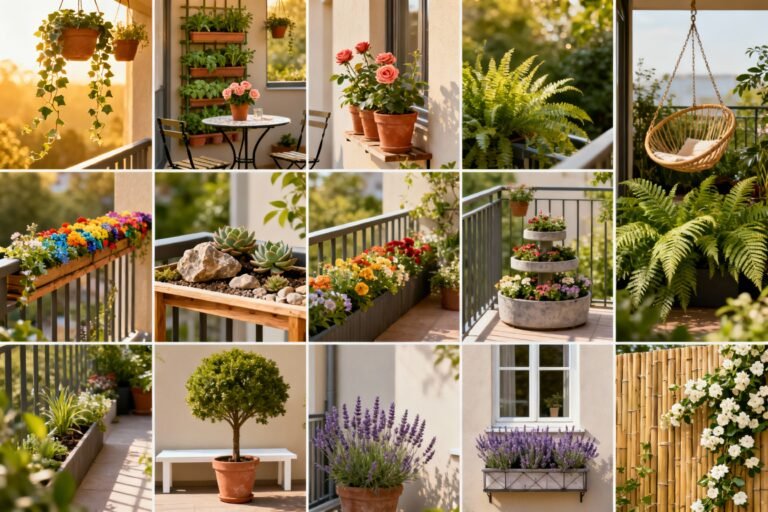
You can grow a solid herb lineup in a window box or two pots on a fire escape (legally and safely, please).
Group herbs by thirst so you don’t drown the drought-tolerant ones.
Good Combos
- Moisture lovers: Basil + parsley + cilantro in a larger trough.
- Dry crew: Thyme + oregano + sage together.
- Lone wolves: Rosemary and mint each get their own pot. They have main-character energy.
Grow lights FYI: A simple LED grow bar 6–12 inches above plants for 12–14 hours daily turns a dim kitchen into herb HQ. Put it on a timer and live your best plant parent life.
Preserving Your Harvest (For When You Got Overexcited)
Your basil exploded?
Congrats. Now freeze it before it turns into a green sadness mush.
- Freezing: Chop herbs, pack into ice cube trays with olive oil or water, freeze, then store in bags. Drop into soups, sauces, or pans later.
- Drying: Works best for thyme, oregano, sage, rosemary.
Hang small bundles upside down in a dry, dark place or use a dehydrator on low.
- Herb salt: Pulse coarse salt with rosemary, thyme, or basil. Spread to dry. Sprinkle on everything.
- Pesto base: Blend basil with oil and nuts, freeze in small containers.
Add cheese later.
FAQ
Why does my basil look droopy even though I water it?
You might be overwatering or underwatering—helpful, I know. Check the soil an inch down. If it feels soggy, let it dry and ensure the pot drains.
If it’s bone dry, give it a deep drink and move it out of harsh midday sun for a day.
Can I grow herbs from grocery store clamshells or cuttings?
Sometimes! Mint, basil, and rosemary cuttings root easily in water. Change the water every few days and pot them once roots reach 1–2 inches.
Grocery store herb plants often come overcrowded—split the clump into 2–3 plants for better survival.
My cilantro bolts immediately. What gives?
Cilantro hates heat. Grow it in cooler weather, give it morning sun and afternoon shade, and sow new seeds every 2–3 weeks.
Consider slow-bolting varieties if your summers roast everything.
Do I need to fertilize herbs?
Lightly, and not often. Container herbs appreciate a half-strength balanced liquid fertilizer monthly. Woody Mediterranean herbs (rosemary, thyme, sage) prefer leaner soil and minimal feeding.
Overfeeding can mute flavor, IMO.
What herbs are easiest for absolute beginners?
Mint (in a pot), chives, parsley, thyme, and oregano. They forgive missed waterings and random snips. Basil is easy too if you give it sun and consistent moisture.
How do I stop mint from taking over?
Grow it in a pot with drainage and never plant it directly in the ground unless you like chaos.
If it’s already in the bed, sink a bottomed pot into the soil to corral the roots and trim runners often.
Conclusion
An herb garden gives you fresh flavor on demand, zero drama, and the smug satisfaction of harvesting dinner from five feet away. Start small, pick herbs you actually cook with, and keep the sun-water-drainage trio in balance. Snip often, preserve the extras, and let your food taste like you meant it.
Your future self—standing over a bubbling pot with a fistful of basil—will say thanks.