Hibiscus Plant Care: Watering, Sunlight, and Soil Requirements
Hibiscus plants don’t whisper for attention—they shout it with giant, flamboyant blooms that look like summer vacation turned into a flower. You want color that hits like a confetti cannon? Hibiscus delivers.
Whether you grow them in a container on a balcony or turn your backyard into a tropical postcard, these plants make you look like you know what you’re doing. Spoiler: they’re easier than you think.
Meet the Hibiscus: Drama Queens With Good Habits
Hibiscus belongs to the mallow family, and it comes in two main vibes: tropical hibiscus (Hibiscus rosa-sinensis) and hardy hibiscus (Hibiscus moscheutos and pals). Tropical loves warm climates and hates frost.
Hardy hibiscus laughs at winter and comes back bigger every year. You get ridiculous blooms—often 4 to 10 inches wide—in reds, pinks, oranges, yellows, whites, and bicolor patterns. Some varieties even have ruffled edges or pinwheel swirls.
Are they extra? Absolutely. But in the best way.
Picking Your Plant: Tropical vs.
Hardy
Choosing the right type matters, FYI. Your climate and lifestyle do most of the decision-making here.
Tropical Hibiscus (H. rosa-sinensis)
- Best for: Warm zones (USDA 9–11), patios, indoor overwintering.
- Bloom style: Lots of blooms over many months, each flower lasts 1–2 days.
- Leaf look: Glossy, lush, very “I live at a resort.”
- Care level: Moderate. Needs consistent water, warmth, and light.
Hardy Hibiscus (H. moscheutos)
- Best for: Cooler zones (USDA 4–9), garden beds, perennial borders.
- Bloom style: Dinner-plate flowers mid-to-late summer, plant goes dormant in winter.
- Leaf look: Large, sometimes maple-like or burgundy-tinged.
- Care level: Easy.
Just give it sun and water, and it returns like a boomerang.
Light, Water, Soil: The Holy Trinity
You want hibiscus to thrive, not just survive? Nail the basics.
Light
- Sun: 6–8 hours of direct sun makes the most flowers. Morning sun + afternoon shade works in scorching climates.
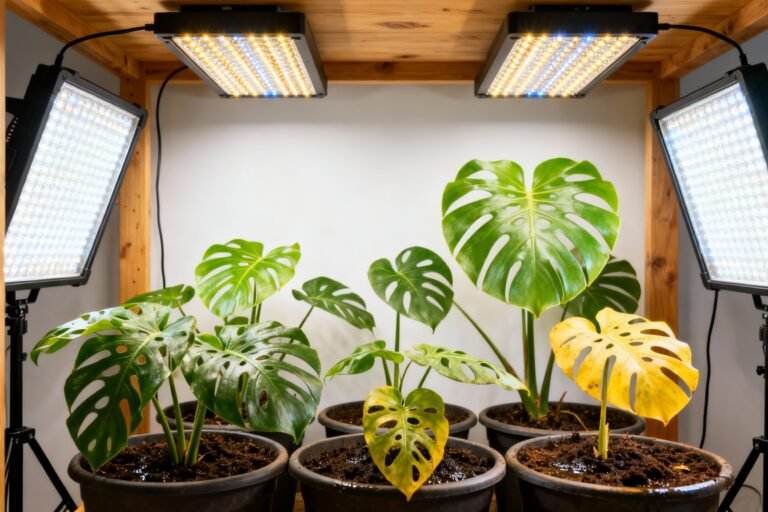
- Indoors: Brightest window you have.
South or west-facing is best. Grow lights help in winter.
Water
- Consistency wins: Keep soil evenly moist, not soggy. Tropical hibiscus throws tantrums if it dries out.
- Container tip: In summer heat, you may water daily.
Don’t panic; it’s thirsty, not dramatic (okay, a little dramatic).
Soil
- Drainage: Use well-draining soil. A mix with peat/coir + perlite works great for pots.
- pH: Slightly acidic to neutral (6.0–7.0). If leaves yellow, check pH and iron availability.
Feeding and Pruning Without Overthinking It
Hibiscus eats like an athlete during the season.
Feed it, and it rewards you with nonstop flowers.
Fertilizer Basics
- Type: Balanced or slightly higher potassium (like 10-10-20) during bloom season. Avoid heavy phosphorus unless a soil test says otherwise.
- Schedule: Every 2–3 weeks with liquid feed spring through early fall. In the ground, use a slow-release in spring, then supplement as needed.
Pruning 101
- Tropical: Lightly prune in late winter/early spring to shape and encourage branching.
Pinch tips for bushiness.
- Hardy: Cut stems to a few inches above ground after frost kills them back. New growth pops up in spring like magic.
- Deadheading: Optional. Flowers drop fast anyway, but you can tidy up spent blooms if they bug you.
Container Pros: Mobile, Stylish, and Less Commitment
Containers let you stage hibiscus where it shines—near the door, on the patio, next to your favorite chair.
IMO, it’s the best way to grow tropical types if you get winter.
- Pot size: Start with at least 12–14 inches wide. Bigger for larger plants.
- Material: Plastic keeps moisture longer; terra-cotta breathes and dries faster. Choose based on how often you want to water.
- Drainage: Non-negotiable.
Use a saucer but don’t let it sit waterlogged.
- Staging: Put it where you’ll see the flowers—yes, this is essential for happiness.
Overwintering Tropical Hibiscus
- Before frost: Bring indoors when nights hit around 50°F (10°C).
- Inside care: Bright light, reduce watering, and expect some leaf drop. It’s sulking; it will recover.
- Spring reboot: Move outside gradually to avoid sunburn. Yes, plants sunburn too.
Common Problems (And How to Win Anyway)
Hibiscus doesn’t ask for much, but pests love a good party.
Pests
- Aphids, spider mites, whiteflies, and mealybugs show up when air is dry or plants feel stressed.
- Fix: Blast with water, then use insecticidal soap or neem oil weekly until gone.
Increase humidity indoors to annoy spider mites.
Leaf Issues
- Yellow leaves: Overwatering, underwatering, or sudden temperature change. Check soil moisture first.
- Buds drop: Heat stress, wind, low light, or inconsistent watering. Stabilize conditions and keep the soil evenly moist.
Bloom FOMO
- No flowers? You need more sun, more potassium, or a bigger pot.
Also, don’t prune right before bloom season.
Beyond Pretty: Edible and Useful
Hibiscus isn’t just a pretty face. Some species give you flavor and wellness perks, FYI.
Hibiscus Tea (H. sabdariffa)
- Roselle produces tangy, ruby-red calyces used for teas and syrups. Think cranberry vibes but floral.
- Uses: Iced tea (agua de jamaica), jams, chutneys, herbal blends.
High in vitamin C and antioxidants.
Edible Flowers
- Tropical hibiscus flowers are technically edible, often used as garnish or candied. Mild flavor, major wow factor.
- Safety note: Always confirm species and avoid plants treated with systemic pesticides before eating. Common sense saves the day.
Design Tips: Make Your Space Pop
Want that vacation-worthy look without a plane ticket?
Layer your hibiscus.
- Color combos: Pair hot pink hibiscus with purple fountain grass and lime-green sweet potato vine. It’s a vibe.
- Height play: Use taller hardy hibiscus at the back of borders, then add coneflowers and salvias in front.
- Containers: Group three pots: one hibiscus, one foliage plant, one trailing plant. Easy win.
- Wildlife: Flowers attract bees, butterflies, and hummingbirds.
Basically, your yard becomes a tiny theme park.
FAQ
Can I grow hibiscus indoors year-round?
Yes, if you give it strong light—ideally a south or west window plus a grow light in winter. Keep humidity moderate, water consistently, and rotate the pot so it doesn’t lean toward the sun. Expect fewer blooms indoors than outside, but it still looks great.
How often should I repot my hibiscus?
Every 1–2 years or when roots circle the pot and water runs straight through.
Move up one pot size at a time; going huge leads to soggy soil and sad roots. Refresh the top couple inches of soil annually if you keep the same pot.
Is hibiscus toxic to pets?
Most hibiscus species aren’t highly toxic to cats or dogs, but some varieties and hybrids can cause mild GI upset if chewed. The exception: plants labeled “rose of Sharon” (Hibiscus syriacus) are usually considered non-toxic.
When in doubt, keep nibblers away and check a reliable plant-toxicity database.
Why do my hibiscus buds drop before opening?
Inconsistent watering, sudden temperature swings, or low light cause bud drop. Windy balconies do it too. Fix the environment—more sun, steady moisture, less draft—and you’ll get that bloom parade back.
Should I use Epsom salt on hibiscus?
Only if a magnesium deficiency shows up (yellowing between veins while veins stay green).
Otherwise, a balanced fertilizer covers micronutrients fine. IMO, “more Epsom salt” isn’t a personality trait—test before you toss.
When will hardy hibiscus come up in spring?
Late. Like, “are you alive?” late.
Many pop up in late May or even June. Don’t dig it up too soon—mark the spot and give it time.
Conclusion
Hibiscus brings instant joy: huge flowers, tropical energy, and a whole lot of color with surprisingly simple care. Pick the right type for your climate, feed it through the season, and keep the water and light dialed in.
Do that, and your garden or balcony turns into a mini paradise—no passport required. And if anyone asks how you got such incredible blooms, just smile and say, “Trade secret.”