Home Garden Design Ideas to Transform Your Outdoor Space
You don’t need acres or a landscaping degree to build a home garden that turns heads. You just need a plan, a bit of patience, and the courage to get dirt under your nails. Whether you’ve got a postage-stamp patio or a sprawling backyard, you can create a space that feels like you.
Ready to turn your outdoor chaos into a gorgeous, low-stress sanctuary?
Start With the Vibe, Not the Plant List
Forget the giant nursery haul. First, decide how you want the garden to feel. Cozy and cottage-y?
Sleek and modern? Wild and pollinator-friendly? Your vibe guides everything.
- Pick 2–3 mood words: calm, colorful, minimalist, edible, tropical, etc.
- Choose a color palette: greens and whites for calm, hot colors for energy, pastels for cottage charm.
- Match materials to the vibe: gravel and corten steel for modern; brick and wood for cottage; terra-cotta and herbs for Mediterranean.
Anchor Points Make It Feel intentional
Create visual anchors so the eye knows where to land.
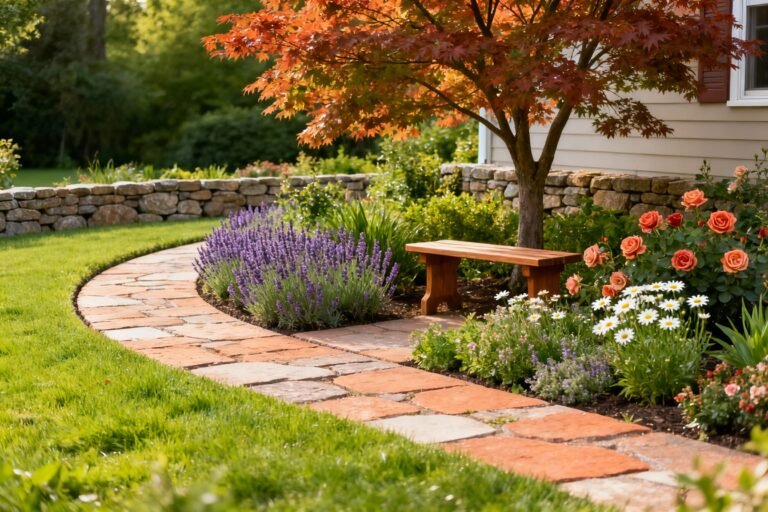
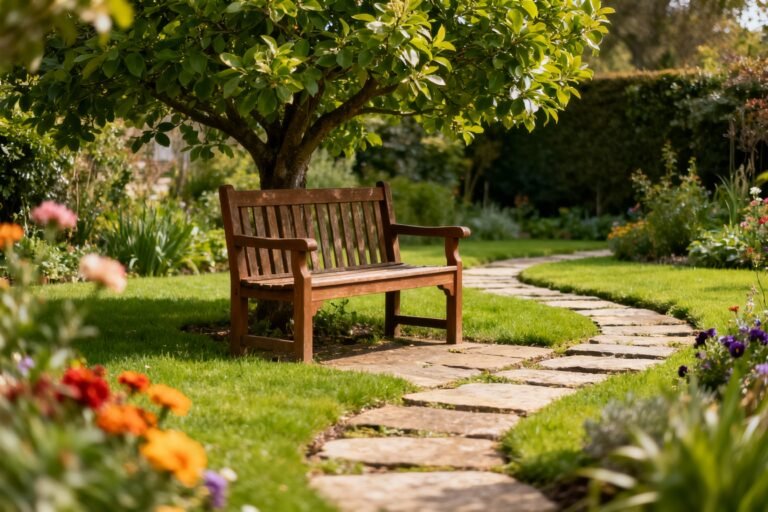
Think a small tree, a statement pot, or a bench. Place one anchor per zone to add structure, then build around it like you’re accessorizing an outfit.
Observe Your Space Like a Plant Detective
Yes, plants are picky. No, they won’t thrive in your shady corner just because you believe in them.
Spend a day watching how your space behaves.
- Sun map: Full sun = 6+ hours; part sun = 3–6; shade = less than 3. FYI, afternoon sun hits harder than morning sun.
- Wind and privacy: Note gusty areas and sightlines. You can plant windbreaks or add screens where needed.
- Soil reality check: Squeeze a handful.Clay stays sticky; sand falls apart; loam holds form and crumbles (the dream).
Fix What You Can, Work With What You Can’t
Improve soil with compost, not magic potions. Use containers in nasty soil or on balconies. Lean into shade with ferns and hostas; lean into sun with herbs and grasses.
Don’t fight your site; outsmart it.
Design the Skeleton: Paths, Beds, and Flow
Great gardens have bones. Plants change with the seasons, but structure keeps the garden attractive year-round.
- Paths: Make them at least 30 inches wide so you don’t crab-walk. Curves should feel smooth, not like a road with potholes.
- Beds: Use odd numbers for groupings: 3, 5, 7.Keep beds shallow along fences (3–4 feet) and deeper near lawns (6–8 feet).
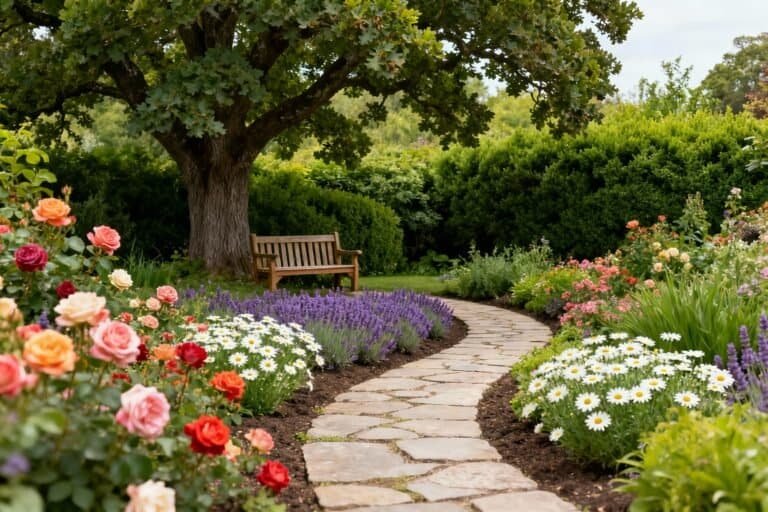
- Focal points: Place them where paths meet or views end—small trees, water features, or that smugly perfect urn.
Layering 101
Think like a theater set:
- Back: Tall shrubs, small trees, trellised vines.
- Middle: Perennials and ornamental grasses for muscle and movement.
- Front: Groundcovers, low bloomers, herbs for edging.
Repeat form and color to create rhythm. IMO, repetition beats chaos every time.
Plant Choices That Look Good and Behave
Let’s avoid the “bought one of everything” look. Choose plants that play nicely together and with your climate.
- Evergreens for year-round structure: boxwood, holly, dwarf conifers, rosemary in warm zones.
- Perennials for long-term color: echinacea, salvia, rudbeckia, nepeta, hosta, heuchera.
- Grasses for texture and movement: pennisetum, miscanthus, carex (shade), blue fescue.
- Seasonal bling: annuals in pots or front-edge gaps for instant color.Use 1–2 consistent colors.
- Edibles that look good: kale as edging, rainbow chard, strawberries, dwarf blueberries, espaliered apples.
Plant in Drifts, Not Dots
Buy 3–5 of each plant and group them. It looks intentional and you’ll get better impact. Scatter singletons only if they’re big personalities (hello, Japanese maple).
Smart Native Picks
Choose regionally native plants for lower maintenance and better pollinator support.
Mix them with garden favorites for a balanced look. Check local extension lists for best performers in your zone.
Containers and Small-Space Magic
No yard? No problem.
Containers deliver style, flexibility, and zero commitment issues.
- Go big: Larger pots hold moisture longer and look more polished.
- Rule of three: Thriller (tall), filler (bushy), spiller (trails). Classic because it works.
- Repeat colors: Match pot color to your trim, door, or furniture for cohesion.
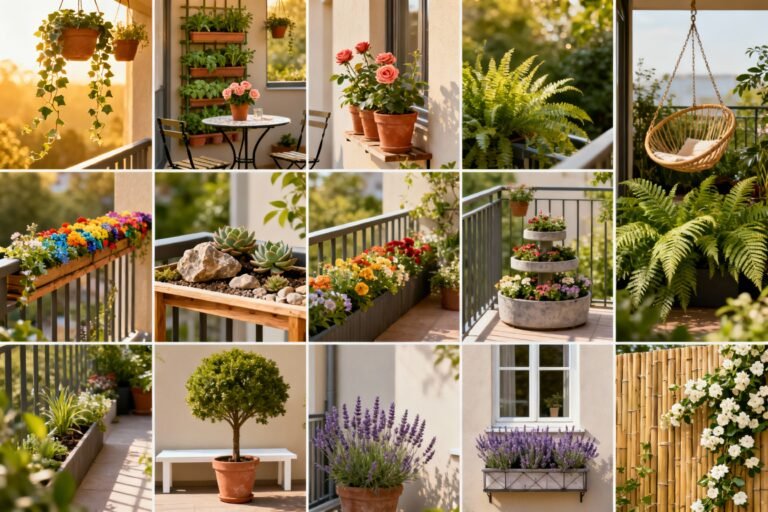
- Vertical moves: Use wall planters, railing boxes, and trellises for instant lushness.
Balcony-Friendly All-Stars
Try dwarf olives, citrus (if your climate allows), lavender, strawberries, thyme, and trailing rosemary. They smell amazing and won’t stage a hostile takeover.
Watering, Mulch, and the Maintenance Reality
Design only works if you can keep it alive.
Build a maintenance plan into your layout from the start.
- Watering: Install drip lines or soaker hoses and put them on a timer. Your future self will send thank-you notes.
- Mulch: Two inches of shredded bark or compost reduces weeds and keeps soil moisture steady. Keep it off stems.
- Pruning: Lightly shape after bloom or in late winter depending on the plant.No hedge brutality, please.
- Weeds: Weed weekly for 10 minutes. It’s like dishes: small, frequent sessions beat panic cleaning.
Low-Maintenance Planting Tips
– Choose drought-tolerant plants that match your rainfall. – Space plants properly so they touch at maturity and smother weeds. – Use groundcovers (ajuga, thyme, sweet woodruff) to reduce bare soil and drama.
Lighting and Little Extras That Make It Pop
Outdoor lighting turns a good garden into a magical one. It also keeps you from tripping over the hose.
- Path lights for safety and subtle glow.
- Uplights under trees and architectural plants for drama.
- String lights for instant atmosphere.Yes, they’re trendy. Yes, they still slap.
Add extras that make you linger: a bench under a tree, a small water bowl for birds, a fire pit, or a café table for morning coffee. Gardens exist to be enjoyed, not just admired from the kitchen window.
Seasonal Strategy: Keep the Show Rolling
Stagger bloom times so something always shines.
Plan like a playlist.
- Spring: bulbs (tulips, daffodils), hellebores, bleeding heart.
- Summer: salvias, daylilies, hydrangeas, zinnias.
- Fall: asters, sedum, mums, ornamental grasses at peak fluff.
- Winter: evergreens, red-twig dogwood, witch hazel, seed heads left for birds.
Pro Move: Repeat Structures, Swap Fillers
Keep the bones (beds, evergreens, pots) the same and rotate annuals or accents each season. You get freshness without redesigning your life.
FAQ
How do I design a garden on a tight budget?
Focus on structure first: paths, mulch, and a few evergreen anchors. Buy smaller plants and let them grow into the space.
Divide perennials and swap with friends. Use seeds for annuals and fillers. FYI, a thick layer of mulch makes even a simple garden look finished.
What’s the biggest mistake beginners make?
Planting randomly without a plan, then fighting the garden for years.
Sketch your layout, pick a palette, and group plants in drifts. Also, water deeply and less often, not a daily sprinkle. Plants prefer a good drink over constant sips.
IMO, timers are worth every penny.
Can I mix edibles with ornamentals?
Absolutely. Tuck herbs at the front of beds, weave kale and chard among perennials, and use strawberries as groundcover. Choose compact or dwarf varieties so they don’t steamroll their neighbors.
Bonus: edible flowers like nasturtiums and violas pull double duty.
How do I make a small space feel bigger?
Use diagonal paths, vertical elements (trellises, arches), and cohesive color. Repeat a few plants rather than collecting everything at the garden center. Mirrors on fences and narrow, upright plants also stretch the space visually.
Keep furniture slim and moveable.
What if my yard is mostly shade?
Lean into it. Go for textures over flowers: ferns, hostas, heuchera, carex, and hydrangeas (some types love shade). Add light-colored foliage to brighten the mood and use uplights for evening sparkle.
Shade gardens can feel lush and moody in the best way.
Do I need landscape fabric under mulch?
Usually, no. It blocks water and air over time and makes planting later a pain. Use a thick mulch layer and dense planting instead.
Save fabric for under gravel paths where it actually helps.
Conclusion
Designing a home garden isn’t about perfection; it’s about creating a space you’ll actually use and love. Start with the vibe, shape the bones, then layer plants that thrive where you live. Keep maintenance realistic, add lighting and a few personal touches, and enjoy the process.
Gardens grow, and so will your skills—dirt under the nails and all.