Easy Home Garden Ideas for Beginners on Any Budget
You don’t need acres of land or fancy tools to grow something amazing at home. You just need a plan, a little sunlight, and the willingness to get dirt under your nails. Want herbs on your windowsill, a salad bar on your balcony, or a mini jungle by your patio?
Let’s build a garden you’ll actually use—and flex on Instagram with.
Start Small, Grow Fast
You don’t need a sprawling backyard to start. Pick a corner, a balcony rail, or a sunny windowsill. Set one goal, like “grow three herbs I use weekly,” and focus there.
You’ll learn faster, spend less, and—bonus—avoid the chaos of buying every plant at the garden center like a kid in a candy store. Pro tip: Choose plants that forgive mistakes. Herbs like basil, mint, and chives bounce back from a forgotten watering. Leafy greens like lettuce and spinach grow fast and keep you motivated.
Quick-start kit for beginners
- Three herb plants (basil, mint, parsley)
- Two lightweight containers with drainage
- Bag of high-quality potting mix (not garden soil)
- Watering can or a repurposed bottle with holes in the cap
Containers That Work Hard
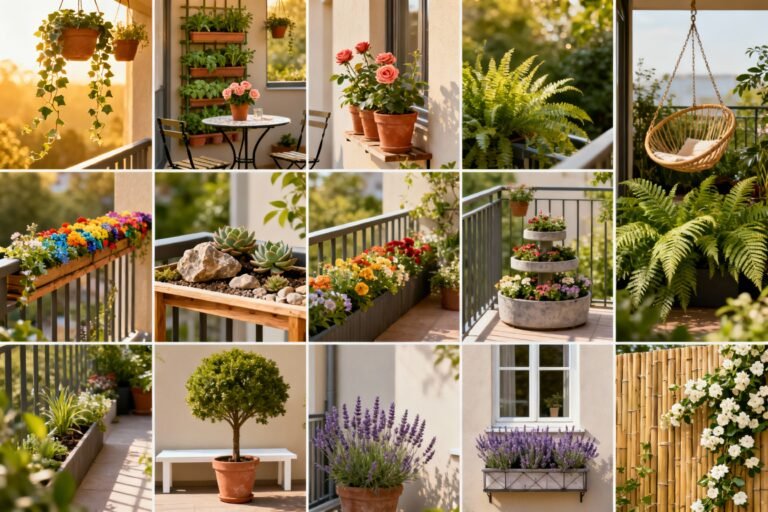
Containers solve almost every space problem.
Patio? Balcony? Window?
Done. You can grow tomatoes in a 5-gallon bucket and strawberries in a hanging basket. Containers also let you control soil quality and move plants to chase the sun like a plant DJ. Key rules for containers:
- Always choose pots with drainage holes—no exceptions.
- Use potting mix, not heavy garden soil.
- Right size matters: 5 gallons for tomatoes and peppers; 2-3 gallons for herbs and greens.
Vertical gardening for tight spaces
Don’t just think floor space—think up.
Use wall planters, ladder shelves, or a DIY pallet to stack herbs and flowers. Strawberries, thyme, and trailing cherry tomatoes love to spill over edges. It feels fancy without the price tag.
Build a Garden That Doesn’t Die
A little planning prevents plant funerals.
Match plants to your sunlight, watering habits, and climate. If you overschedule your afternoons, skip thirsty babies like cucumbers and go for rosemary and sage instead. Sunlight cheat sheet:
- Full sun (6+ hours): Tomatoes, peppers, cucumbers, lavender
- Partial sun (3–6 hours): Lettuce, kale, spinach, parsley
- Shade (under 3 hours): Mint, chives, ferns, hostas
Pick the right soil and food
Soil isn’t dirt; it’s plant fuel. Use a light, fluffy potting mix with perlite or coco coir for containers.
Add a slow-release fertilizer at planting, then feed every 2–4 weeks with a balanced liquid fertilizer. IMO, organic options smell weird but work great.
Edible Gardens That Taste Like Summer
Let’s talk food. You can grow legit delicious produce at home without a country estate.
Choose varieties that thrive in small spaces and keep producing instead of one-and-done harvests. Easy wins:
- Cherry tomatoes: Compact, productive, and sweet. Try ‘Sweet 100’ or ‘Sungold.’
- Lettuce mixes: Cut-and-come-again. Harvest weekly, feel smug.
- Peppers: Jalapeños or mini bells do great in pots.
- Herbs: Basil, mint, thyme, oregano—all kitchen heroes.
Companion planting made simple
Some plants play nicely together and even boost each other.
Pair basil with tomatoes to enhance growth and flavor. Plant marigolds near veggies to deter pests. Tuck in nasturtiums to lure aphids away from your prized peppers.
It’s garden matchmaking, and yes, it works.
Flowers That Pull Their Weight
Flowers aren’t just pretty—they bring pollinators that boost your harvest. Mix in blooms that attract bees, butterflies, and beneficial bugs. You’ll get prettier beds and better tomatoes.
That’s a two-for-one you can brag about. Top performers:
- Calendula: Edible petals and great for pests.
- Zinnias: Easy, colorful, and they love heat.
- Lavender: Drought-tolerant and fragrant—FYI, bees love it.
- Alyssum: Low, fragrant, and excellent for beneficial insects.
Color and texture hacks
Mix leaf shapes and heights for depth. Pair tall grasses or ornamental millet with trailing plants like sweet potato vine. Go bold with contrasting colors—deep purple basil next to lime-green lettuce looks like you hired a stylist.
Watering Without the Guesswork
Most plant issues come from water drama—too much or too little.
Stick your finger in the soil up to the first knuckle. If it feels dry, water. If it feels damp, wait.
That’s the low-tech hack that saves lives. Water smarter:
- Water in the morning to reduce evaporation.
- Aim at the soil, not the leaves.
- Use mulch (straw, shredded leaves, or bark) to keep soil moist and roots cool.
Simple irrigation upgrades
Install a drip line or soaker hose for beds, and use self-watering planters for containers. Add a cheap timer and you’ve suddenly automated your garden. It’s like a smart home, but for tomatoes.
Pest Control That Doesn’t Nuke Everything
Bugs happen.
Don’t panic-spray. Identify the problem first, then use the lightest touch possible. Often a blast of water knocks off aphids.
Handpick caterpillars (free protein—kidding, please don’t). Gentle solutions:
- Neem oil or insecticidal soap: Works on soft-bodied pests.
- Diatomaceous earth: Stops slugs and beetles—sprinkle around stems.
- Row covers: Physical barrier for greens and brassicas.
Invite the good guys
Ladybugs, lacewings, and parasitic wasps patrol your garden for free. Plant dill, yarrow, and fennel to attract them. Skip broad-spectrum sprays that evict your tiny security team.
Design for Vibes: Paths, Zones, and Chill Spots
Make your garden a place you actually hang out.
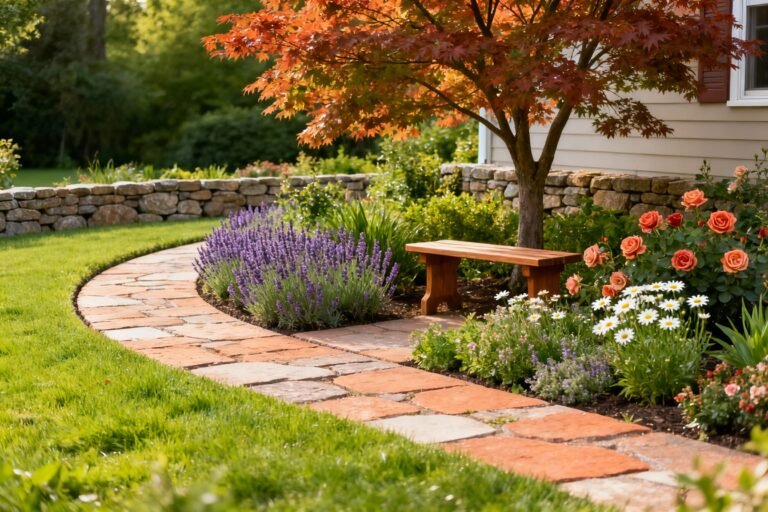
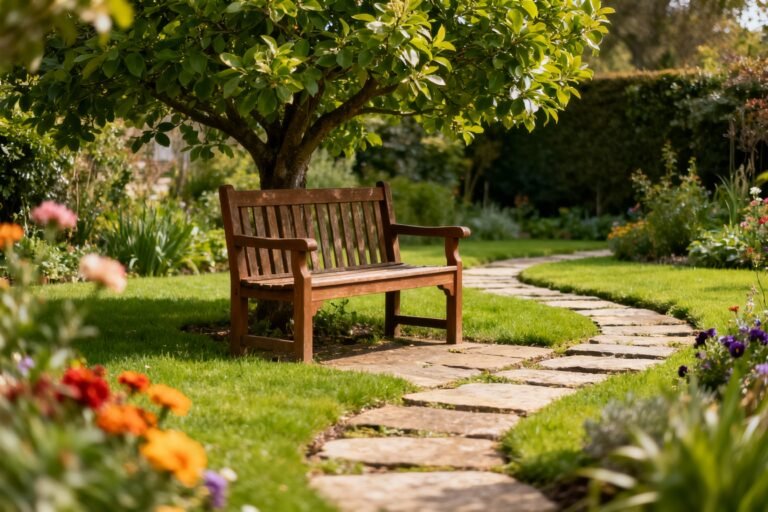
Add a path with stepping stones or gravel so you don’t stomp your plants. Create zones: a herb corner near the kitchen, a veggie bed in full sun, and a little lounge spot with a chair and a string of lights. Boom—instant oasis. Easy upgrades:
- Use matching pots for a clean look.
- Group plants by water needs to simplify care.
- Add a small water feature or birdbath for nature ASMR.
Lighting for evenings
Solar stake lights or warm string lights make your garden feel cozy and keep you outside.
You’ll notice nighttime pollinators, and your basil looks way fancier under LEDs. IMO, ambiance matters.
Seasonal Moves: Keep It Growing Year-Round
Rotate crops and swap plants with the seasons. In spring, plant peas and greens.
Summer goes big with tomatoes and peppers. Fall loves kale, carrots, and radishes. If you’ve got mild winters, toss in garlic and onions. Cold shoulder plan:
- Use row covers to extend your season by a few weeks.
- Grow indoors with a simple LED grow light for herbs.
- Start seeds on a sunny windowsill 4–6 weeks before last frost.
FAQ
How much sunlight do I really need?
Most edible plants thrive with 6–8 hours of direct sun.
If you have less, grow greens and herbs that tolerate partial shade, like lettuce, spinach, parsley, and mint. Track sunlight for a day—your phone’s compass app helps identify south-facing windows or walls.
What’s the biggest mistake beginners make?
Overwatering and cramming too many plants together. Give each plant space and let soil dry slightly before watering again.
Plants need air circulation as much as water—don’t turn your pot into a crowded subway car.
Can I grow food indoors?
Yes, especially herbs and microgreens. Put them in the sunniest window you have or use an LED grow light. Choose compact varieties and water carefully—indoor pots dry out slower.
How do I keep squirrels and pets out of my garden?
Use physical barriers.
For beds, install low fencing or netting. For containers, try cloches or mesh covers. Sprinkle coffee grounds or use motion-activated sprinklers if critters act bold.
Pets? Elevate or wall-mount planters out of reach.
Which plants give the best return on effort?
Herbs, cherry tomatoes, salad greens, and peppers. They produce a lot in small spaces and taste way better fresh.
Bonus points for cut-and-come-again greens—you harvest multiple times from one planting.
Do I need fertilizer if I use good soil?
Yes, eventually. Potting mixes don’t feed plants forever. Add slow-release granules at planting, then use a liquid feed every few weeks.
Follow the label, because more fertilizer doesn’t mean more tomatoes—it usually means crispy leaves.
Conclusion
You can build a home garden that fits your space, your schedule, and your taste buds. Start small, pick forgiving plants, and design for easy care and good vibes. In a few weeks, you’ll snack on your own cherry tomatoes and wonder why you waited this long.
FYI, the dirt under your nails counts as a badge of honor.