Home Landscaping Guide: Plants, Layouts, and Styling Tips
Your yard can do more than collect leaves and regret. With a few smart moves, you can turn it into an outdoor room that actually gets used, not just admired from the window. Think comfy seating, plants that don’t die on sight, and a layout that makes sense.
Ready to make your lawn less “meh” and more “wow”?
Start With the Big Picture: How Do You Want to Use Your Space?
Before you buy a single plant, decide what this space needs to do. Host friends? Grow veggies?
Give your dog a racetrack? You’ll save money and avoid “random shrub island” syndrome when you design around function first. Sketch a simple plan.
No art degree required. Draw your house, add patios, paths, and zones. Keep it loose and flexible. Form follows function, and your future self will thank you.
Define Zones That Make Sense
Create areas for:
- Relaxing: A lounge nook with shade and comfy chairs
- Eating: A dining patio near the kitchen (shorter walk = fewer dropped plates)
- Play: Open lawn or mulch area for kids/pets
- Growing: Raised beds in a sunny spot for herbs and veggies
Design Like a Pro: Simple Rules That Always Work
You don’t need fancy software.
Use a few tried-and-true design moves and you’ll look like you hired a landscape architect.
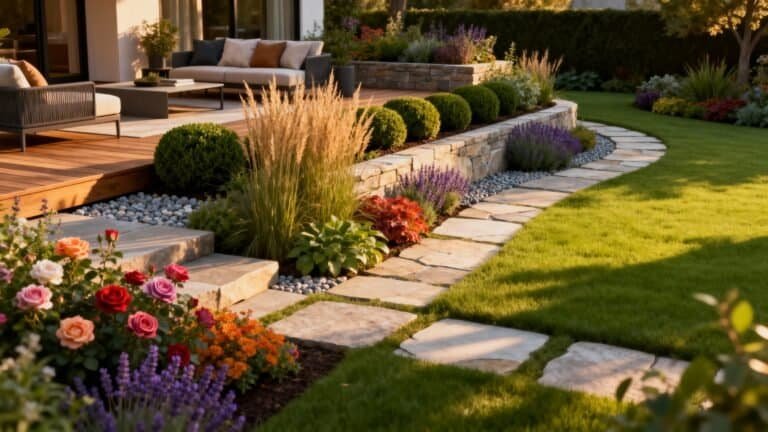
- Repeat shapes and materials: Curved bed lines? Repeat that curve in the path or patio edge.
- Vary height: Trees, shrubs, and groundcovers create layers that feel lush and intentional.
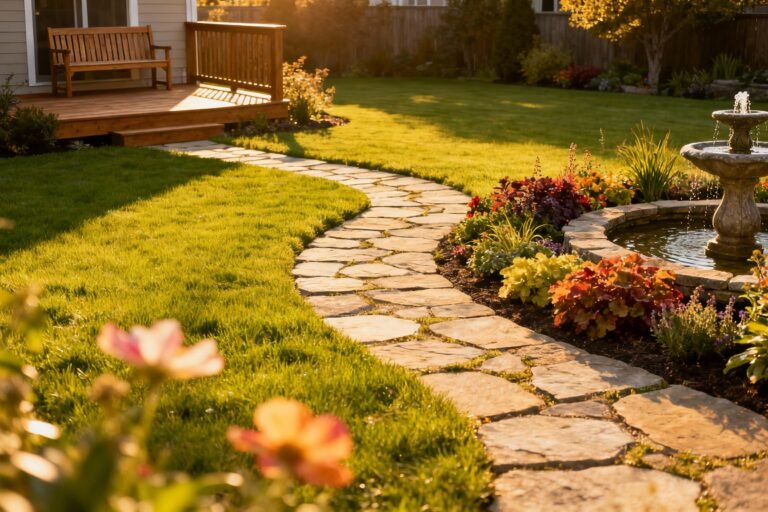
- Create focal points: A statement tree, water feature, or bold container gives the eye a place to land.
- Think in odd numbers: Plant in groups of 3 or 5 for a more natural look.
- Leave negative space: Not every inch needs plants. Breathing room makes the highlights pop.
Pathways That Guide (Without Bossing You Around)
Paths should connect the dots.
Use:
- Primary paths: 36–48 inches wide for wheelbarrows and side-by-side walking
- Secondary paths: 24–30 inches wide for garden exploration
- Materials: Gravel (cheap), pavers (clean look), or mulch (soft underfoot)
Curve gently or go straight with intention. Wiggly lines for no reason? Hard pass.
Plant Smarter, Not Harder
Let’s pick plants that thrive where you live.
Please don’t adopt a tropical diva if you’ve got a desert yard. Right plant, right place saves your time, water, and sanity.
Know Your Site
Check these basics:
- Sun exposure: Full sun = 6+ hours. Partial = 3–6. Shade = under 3.
- Soil: Clay, sand, or loam?
Do a quick jar test or just observe drainage.
- Microclimates: Hot walls, windy corners, low spots that collect water.
Layer Plants for All-Season Interest
Build layers that carry you from spring to winter:
- Trees: Structure and shade (maples, oaks, olives, desert willow—pick for your climate)
- Shrubs: Backbone plants (boxwood, hydrangea, rosemary, natives)
- Perennials: Color and texture (salvia, echinacea, hosta)
- Groundcovers: Fill gaps, block weeds (thyme, ajuga, sedum)
- Annuals/containers: Seasonal pop you can swap out
IMO, natives or climate-adapted plants make maintenance easier. They also feed pollinators and generally behave themselves.
Low-Maintenance Without the Boring
You don’t need a yard that eats your weekends. You need a system.
Watering That Makes Sense
- Drip irrigation: Direct water to roots, saves a ton of water, and keeps leaves dry (fewer diseases).
- Mulch: 2–3 inches around plants = less evaporation, fewer weeds, happier soil.
- Zones: Group plants by water needs so you don’t drown succulents while pampering hydrangeas.
Soil Health = Plant Health
Feed the soil, not just the plant.
Mix in compost, avoid over-tilling, and let leaves break down where appropriate. Healthy soil holds water and nutrients so you do less work.
Pruning Without Fear
Prune late winter for structure and after bloom for spring-blooming shrubs. Cut dead, damaged, and crossing branches. Step back often so you don’t sculpt a sad topiary by accident.
Hardscape That Elevates Everything
Plants are the stars, but hardscape sets the stage.
Choose materials that match your home’s vibe and climate.
- Patios and decks: Size them for actual furniture plus walking space. Eight chairs need more than a postage stamp.
- Edging: Steel, stone, or paver edging keeps beds tidy and mowing easy.
- Lighting: Path lights + uplights on a tree = instant drama and safety. Go warm white for cozy vibes.
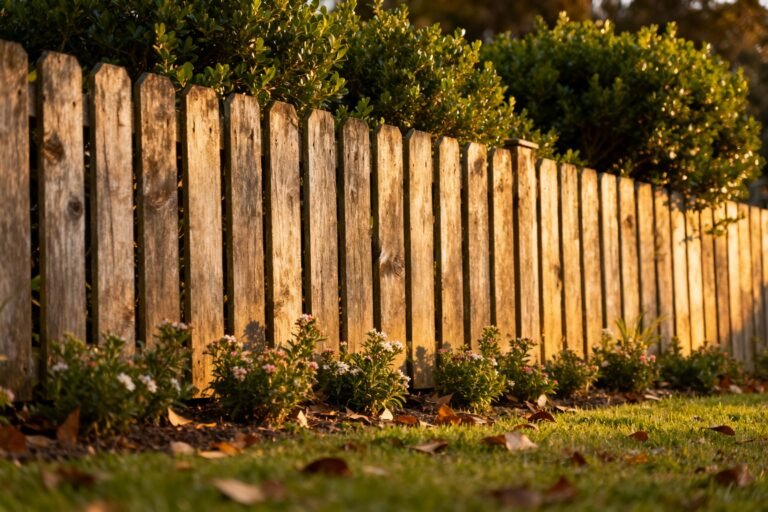
- Privacy: Screens, trellises, hedges, or ornamental grasses create “rooms” without feeling boxed in.
Budget-Friendly Upgrades
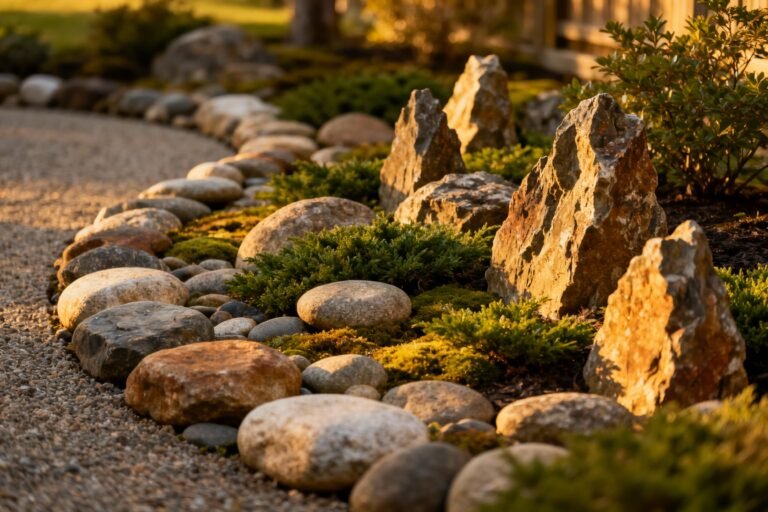
- Gravel patio with large pavers = stylish and affordable
- DIY cedar planter boxes for a kitchen garden
- Solar lights along paths (no trenching, no tears)
- One statement pot by the front door with seasonal swaps
Lawn: Keep It, Shrink It, or Replace It?
Lawns can look great, but they demand water and time.
You have options.
- Keep it: Choose drought-tolerant varieties, mow high, and overseed in fall.
- Shrink it: Convert the edges to beds or groundcovers, add a larger patio or path.
- Replace it: Go with native meadows, clover blends, or low-growing alternatives like thyme or kurapia (climate-dependent).
FYI, even a 20% reduction in lawn can slash water use and maintenance—without losing space for games or pets.
Seasonal Rhythm: What to Do and When
Timing matters. Here’s a simple calendar you’ll actually use.
Spring
- Clean up debris and refresh mulch
- Divide perennials and plant cool-season veggies
- Check irrigation and fix leaks
Summer
- Deep water in the morning, not daily sprinkles
- Deadhead spent flowers to keep blooms coming
- Shade new plants if heat waves hit
Fall
- Plant trees and shrubs (roots party all winter)
- Overseed lawn or seed native meadow areas
- Add bulbs for spring color
Winter
- Prune structure, clean tools, plan changes
- Protect tender plants if frost threatens
- Dream big and sketch next year’s upgrades
FAQ
How do I choose plants that won’t die on me?
Match plants to your sun, soil, and water levels. Start with 70% tough, climate-appropriate species (ideally natives), then sprinkle in 30% “fun” plants you love.
Check tags for mature size and water needs, and group similar plants together. It’s like setting up friends who actually get along.
What’s the easiest way to improve curb appeal fast?
Edge the beds, add a 2–3 inch layer of fresh mulch, and place one large statement pot by the front door. Swap tired plants near the entry for evergreen structure, then add seasonal color.
Clean lines and one focal point work wonders, IMO.
Do I really need landscape fabric?
Usually, no. It blocks air and water over time and can make planting miserable. Use a thick mulch layer and spot-weed instead.
For gravel paths, a breathable weed barrier or compacted base makes more sense.
How big should my patio be?
Plan at least 10×12 feet for a small dining set, 12×14 or more for lounge seating. Allow 3 feet around furniture for movement. Tape it out in the yard to test the size—sit in chairs and pretend you’re hosting.
If it feels cramped without people, it’ll feel worse with them.
Is drip irrigation worth it?
Absolutely. It cuts water waste, targets roots, and reduces disease. You’ll save time, plants look better, and your water bill chills out.
Add a smart timer and you basically run a mini farm from your phone.
Can I have a nice yard with dogs and kids?
Yes—just design for them. Durable grasses or clover mixes, wide paths, and designated “dig zones” for dogs keep the peace. Choose non-toxic plants and avoid spiky or delicate divas along high-traffic routes.
Conclusion
You don’t need perfection.
You need a plan, a few sturdy plants, and a layout that fits your life. Start with function, layer in smart design moves, and add personality with containers, lighting, and one or two showstoppers. Do a little each season and your yard will level up fast—no landscape degree required.