6 Easy Ways To Lower Soil Ph For Healthier Plant Growth
Your plants look sleepy, a little yellow, maybe throwing tantrums like toddlers? Your soil might be too alkaline. Lowering soil pH can unlock nutrients and supercharge growth fast.
The good news: you don’t need a chemistry degree or a farm tractor. You just need a plan, a bag or two of the right stuff, and a quick Saturday morning.
First, test your soil like a pro (or as close as it gets)
You can’t fix what you don’t measure. Grab a basic soil pH test kit or meter, or send a sample to your local extension office.
Aim for the pH your plants prefer—most veggies and ornamentals thrive around 6.0–7.0, while blueberries and azaleas like it even lower (4.5–5.5). Why this matters: pH controls nutrient availability. Too high, and iron, manganese, and phosphorus get locked up like they’re in witness protection. You’ll see yellow leaves and slow growth, and you’ll think your fertilizer “doesn’t work.” It does—you just need the right pH.
Elemental sulfur: the steady, reliable MVP
If you want the most predictable, long-lasting drop in pH, choose elemental sulfur.
Soil bacteria convert sulfur into sulfuric acid over time, which safely acidifies the root zone.
How to use it
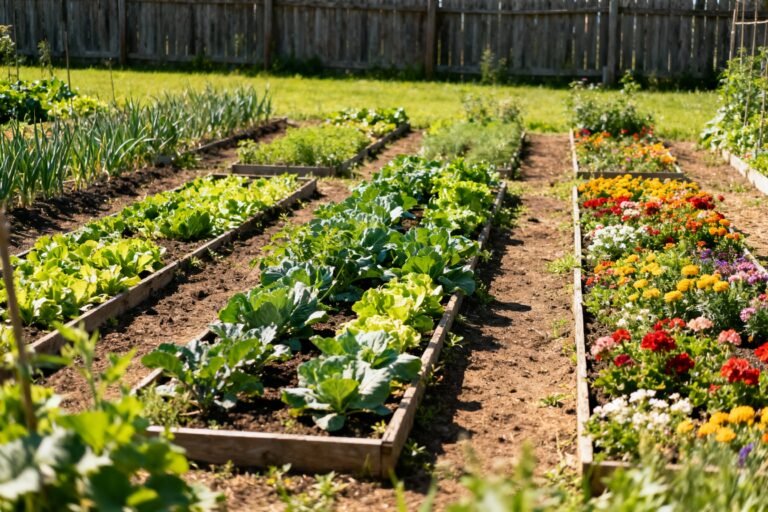
– Granular sulfur: Works best for garden beds. Incorporate into the top 6 inches of soil. – Rates (rough guide):
- Loamy soil: ~1 lb sulfur per 100 sq ft lowers pH by about 1 point
- Sandy soil: ~0.5 lb per 100 sq ft
- Clay soil: ~1.5 lbs per 100 sq ft
– Timing: Apply in spring or fall. It takes weeks to months to fully kick in, so plan ahead. Pro tip: Use pelletized sulfur for easier spreading.
IMO, it’s worth the few extra bucks for consistent results.
Acidifying fertilizers: feed and fix at the same time
Fertilizers can nudge pH downward while feeding your plants. Two big winners: ammonium sulfate and urea. They lower pH as the nitrogen converts in the soil.
Best picks and how to apply
– Ammonium sulfate (21-0-0): Strong acidifier, great for alkaline soils. – Urea (46-0-0): Mild acidifying effect; works well with organic matter. – Acid-loving plants: Use specialty fertilizers labeled for azaleas, camellias, rhododendrons, or blueberries. Apply lightly and follow label rates.
Overdoing nitrogen burns roots and makes plants sulk. Ask me how I know.
Organic matter to the rescue: compost, peat, and pine
Organic amendments improve texture, boost microbes, and gently tip pH downward over time. You won’t get a dramatic change overnight, but you’ll build a healthier soil ecosystem that keeps delivering.
What to mix in
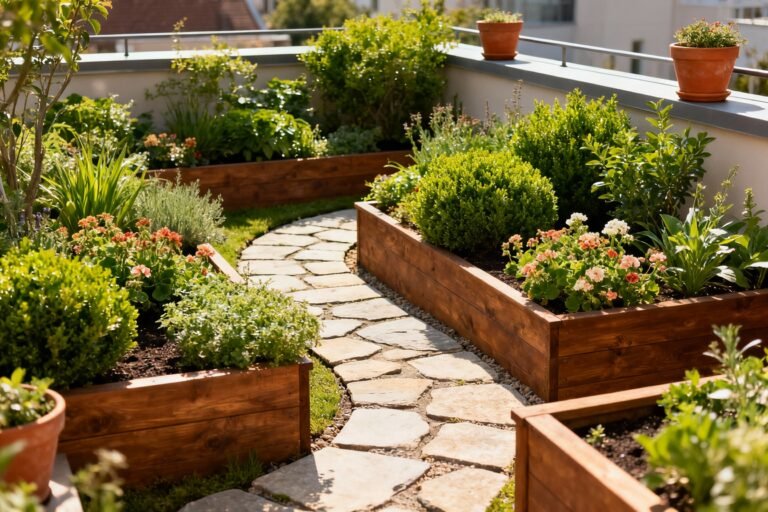
– Sphagnum peat moss: Naturally acidic.
Fantastic for containers or raised beds. Blend 1–2 inches into the top 6–8 inches of soil. – Compost: Slightly acidifying depending on source; improves nutrient cycling. Aim for 1–2 inches as a top-dress twice a year. – Pine needles and shredded bark: Great as mulch; add a mild acidifying effect as they break down. FYI: Coffee grounds?
They won’t magically turn your soil into a blueberry paradise. They’re closer to neutral after brewing. Use them as part of compost, not a solo act.
Acidic waterings: vinegar and citric acid (with caution)
For quick, gentle tweaks—especially in containers—acidify your irrigation water.
This helps if your tap water runs alkaline or high in bicarbonates.
Simple recipes
– White vinegar: Add 1–2 tablespoons per gallon of water. Mix well and water normally. – Citric acid (food-grade): 1/4 teaspoon per gallon. More stable and predictable than vinegar. Test the water pH with a meter or strips.
Target 5.5–6.5 for most plants. And don’t drench every time—alternate with normal water to avoid over-acidifying. Containers react fast; garden beds respond more slowly.
Iron sulfate: faster than sulfur, great for tweaks
Iron sulfate lowers pH quicker than elemental sulfur and delivers iron, which helps combat chlorosis (those sad yellow leaves with green veins).
When to use it
– You need a faster adjustment than sulfur can deliver – Your plants show iron deficiency symptoms – You want a partial fix during the growing season General rates: 3–5 lbs per 100 sq ft to drop pH by about 1 point on loamy soils.
Water in well. It acts faster than sulfur but doesn’t last as long, so pair it with organic matter or a later sulfur application for staying power.
Mulch and maintenance: keep the pH gains going
Lowering pH isn’t a one-and-done. Rain, irrigation, fertilizers, and your soil’s parent material all push pH around.
Build habits that hold the line.
Good habits that actually work
– Mulch with pine bark, pine needles, or shredded leaves to encourage mild acidity and steady moisture. – Top-dress compost spring and fall to feed microbes and stabilize pH. – Use rainwater when possible—many municipal supplies run alkaline. – Retest soil every 6–12 months and make small adjustments instead of big swings. IMO: Slow and steady beats “fix it all in one weekend.” Plants hate dramatic pH rollercoasters.
6 easy ways to lower soil pH (quick recap)
- Test first so you know your starting point and target.
- Elemental sulfur for long-term, reliable acidification.
- Acidifying fertilizers like ammonium sulfate to feed and nudge pH.
- Organic matter (peat, compost, pine mulch) for gentle, lasting improvement.
- Acidified water with vinegar or citric acid, especially for containers.
- Iron sulfate for faster action and greener leaves.
Common mistakes to avoid
– Skipping the test: You’ll overshoot or fix the wrong problem. – Using aluminum sulfate: It works, but repeated use can build aluminum to plant-toxic levels. Use sulfur or iron sulfate instead. – Going too fast: Big pH drops shock roots. Make changes over weeks, not hours. – Ignoring water alkalinity: Hard, high-bicarbonate water raises pH over time.
Acidify or collect rain. – Forgetting soil type: Sandy soils change fast; clay changes slowly. Adjust rates and expectations.
FAQ
How long does it take to lower soil pH?
Elemental sulfur takes a few weeks to a few months, depending on temperature, moisture, and soil biology. Iron sulfate acts in days to weeks.
Acidified water and fertilizers tweak pH quickly in containers but more gradually in garden beds.
Can I lower pH naturally without chemicals?
Yes. Use peat moss, compost, pine bark, and pine needle mulches. Collect rainwater for irrigation.
These methods work slowly but improve overall soil health. For bigger pH shifts, pair them with sulfur.
Will vinegar hurt my plants?
Not if you dilute it properly. Stick to 1–2 tablespoons per gallon of water and test your water pH.
Never pour straight vinegar on soil—that’s a plant crime. Alternate with normal waterings.
What pH do most plants like?
Most garden plants like 6.0–7.0. Blueberries, azaleas, camellias, and hydrangeas (blue color) prefer 4.5–5.5.
If in doubt, aim for around 6.5 and adjust for specific species.
Can I fix yellow leaves by lowering pH?
If high pH caused iron or manganese lockout, yes, lowering pH helps a ton. You can also use chelated iron for a quick green-up, but stabilize pH so the problem doesn’t come back in a month.
Is aluminum sulfate safe to use?
It lowers pH quickly, but repeated use can build aluminum in the soil, which can harm roots and microbes. I’d skip it for edible gardens.
Choose elemental sulfur or iron sulfate instead—safer and just as effective over time.
Wrap-up: small tweaks, big growth
Lowering soil pH isn’t magic—it’s maintenance. Start with a test, make smart adjustments with sulfur or acidifying fertilizers, and keep the gains with organic matter and the right water. Your plants will perk up, colors deepen, and growth will actually look like the seed packet promised.
FYI: once you dial in pH, everything else gets easier—fertilizing, watering, even pest issues. Go make your soil a little more acidic and your plants a lot happier.