How to Grow Ivy Plants: Light, Watering, and Soil Tips
Ivy looks innocent…until it eats your fence. This plant climbs, cascades, and basically says, “Oh, you thought you were in charge?” I love it for its drama and resilience. If you want a green friend that thrives on neglect and still looks classy, ivy checks the boxes—just respect its ambition.
Meet Ivy: The Low-Key Drama Queen
Ivy (Hedera) includes several species, but English ivy (Hedera helix) stars in most homes and gardens.
It’s a classic for a reason: it climbs, it trails, and it tolerates shade. You can hang it in a bathroom, train it up a moss pole, or let it spill over a bookshelf like a leafy waterfall. Do you want a plant that forgives you for forgetting it exists for a week?
Ivy delivers. Just don’t mistake “easy” for “effortless”—it can get messy if you ignore a few basics.
Light, Water, and Everything Nice
Ivy doesn’t ask for perfect conditions, but it does have opinions.
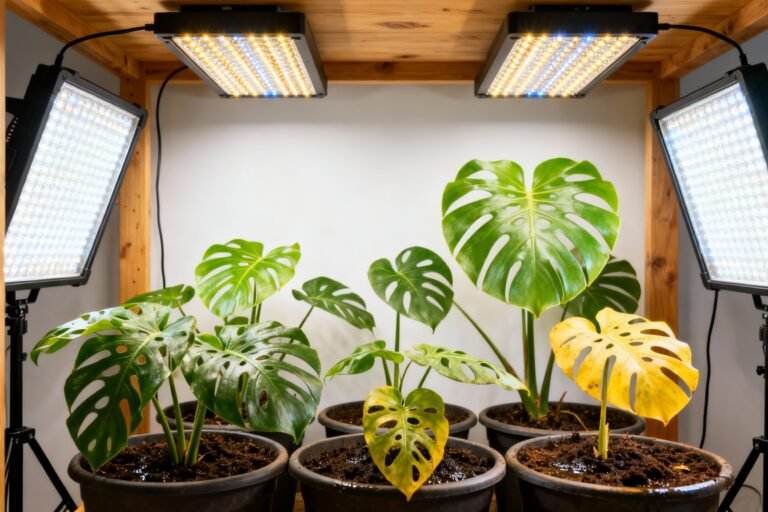
- Light: Bright, indirect light makes ivy happiest. Variegated types need more light to keep their patterns.
It tolerates shade, but it grows leggier.
- Water: Keep the soil slightly moist, then let the top inch dry out. Overwatering invites root rot faster than you can say “why is it yellow?”
- Humidity: Normal home humidity works, but it appreciates a little extra. Bathrooms and kitchens = cozy ivy vibes.
- Temperature: 50–70°F (10–21°C).
It handles cooler rooms better than hot, dry ones.
Soil and Pot Tips
Use a light, well-draining potting mix—think standard indoor mix with a bit of perlite. Choose a pot with drainage holes (obvious, I know, but FYI: people still skip this). Repot every 1–2 years when roots circle the pot.
If growth slows and leaves shrink, it’s probably hinting, “New shoes, please.”
How to Keep Ivy Looking Chic, Not Shaggy
Ivy grows fast, which is awesome—until it starts auditioning for a jungle movie. Keep it tidy and lush with simple maintenance.
- Prune regularly: Snip back long runners to encourage fuller growth. Don’t be shy—ivy rebounds quickly.
- Rotate the plant: Turn it every couple of weeks for even growth.
Otherwise, it leans like it spotted a celebrity in the window.
- Fertilize lightly: Feed monthly during spring and summer with a balanced liquid fertilizer at half strength. Skip winter; it’s nap time.
- Dust the leaves: Wipe with a damp cloth. Clean leaves = better photosynthesis = happier plant.
Propagate Like a Pro (It’s Easy)
Want more ivy?
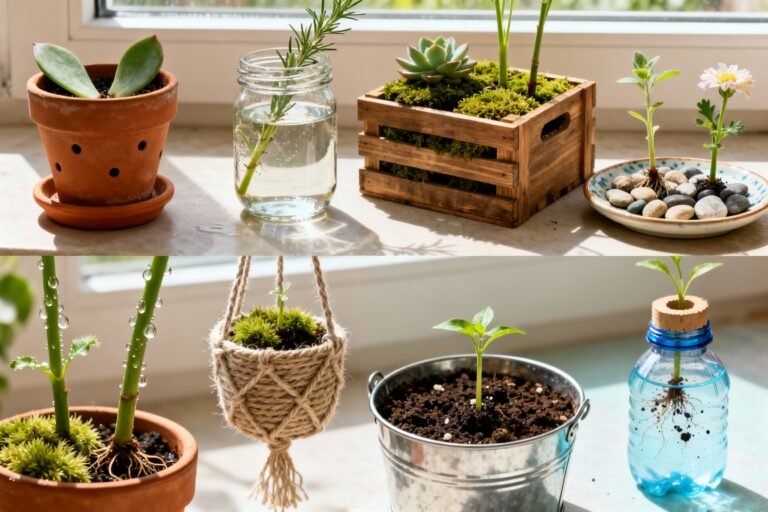
Of course you do. Take 4–6 inch cuttings with at least 2–3 nodes. Strip the lower leaves and pop the stems in water or moist potting mix.
Roots appear in a couple of weeks. Boom: free plants. IMO, water propagation is more fun—you get to watch the roots form.
Common Ivy Varieties Worth Knowing
Not all ivy looks the same, and that’s half the fun.
- Hedera helix (English Ivy): The classic.
Varieties include ‘Glacier’ (silver variegation), ‘Gold Child’ (gold margins), and ‘Curly Locks’ (wavy leaves).
- Hedera canariensis (Algerian Ivy): Bigger leaves, faster growth, a bit more dramatic. Great for bold displays.
- Hedera helix ‘Needlepoint’: Delicate, pointed leaves. Looks fancy with almost no effort.
Choosing the Right Ivy for Your Space
– Want easy-care and compact?
Go with small-leaf English ivy varieties. – Want impact on a trellis or moss pole? Try Algerian ivy. – Want variegation? Pick ‘Glacier’ or ‘Eva’ and give them bright, indirect light to keep the colors crisp.
Ivy Indoors vs.
Outdoors: Know the Rules
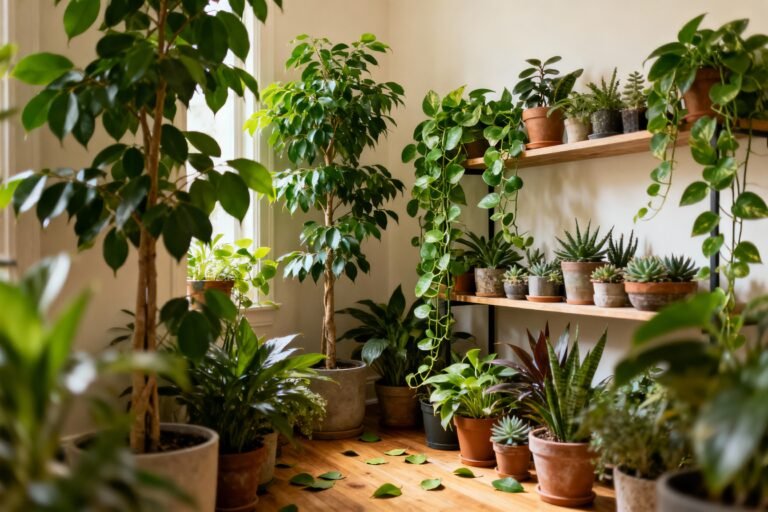
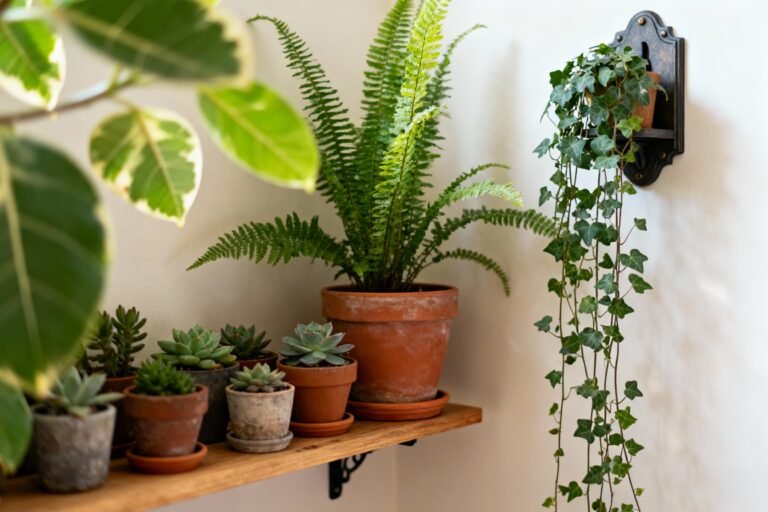
Indoors, ivy makes a graceful statement on shelves, mantels, or hanging planters. Train it up stakes or a tiny trellis. Clip often for that lush, layered look.
Outdoors, ivy becomes a different beast. It can climb walls, fences, and trees—and it won’t ask permission. In many regions, English ivy is invasive, so check local guidelines before planting in the ground. Use containers if you want to avoid a takeover.
Should Ivy Climb Trees?
Short answer: not really.
Ivy competes with trees for light and can add weight that stresses branches. It also traps moisture against bark. If you see it climbing, cut the vines at the base, let them die off, then peel gently later.
Pest Patrol and Troubleshooting
Ivy’s tough, but a few annoyances pop up.
- Spider mites: Tiny webs and speckled leaves?
You’ve got mites. Rinse the plant in the shower, increase humidity, and use insecticidal soap weekly until clear.
- Scale and mealybugs: Look for bumps or cottony fluff. Dab with alcohol on a cotton swab and follow with a neem oil routine.
- Yellow leaves: Usually overwatering or poor drainage.
Check the roots and adjust your watering schedule.
- Leggy growth: Not enough light. Move it closer to a window and prune.
Is My Ivy Sick or Just Moody?
Crispy edges usually mean low humidity or too much direct sun. Mushy stems mean root rot—trim the damage and repot in fresh, airy soil.
If you catch issues early, ivy bounces back like a champ.
Styling Ideas: Because Aesthetic Matters
Ivy works with every vibe—from old-world library to minimalist loft. A few ideas:
- Trailing shelf moment: Let vines cascade over the edge for instant drama.
- Living headboard: Train ivy along a wire grid behind your bed. Cozy without being chaotic.
- Moss pole magic: Encourage vertical growth for a tidy, sculptural look.
- Bathroom buddy: Humidity + filtered light = perfect spa plant.
- Tabletop topiary: Shape ivy around a hoop or heart.
Cheesy? Maybe. Cute?
Absolutely.
Is Ivy Safe? Let’s Talk Pets and People
Here’s the deal: ivy is toxic to pets and can irritate humans if ingested. Keep it out of reach if your cat treats plants like salad.
Wear gloves if you have sensitive skin, especially when pruning. You’ll be fine—just don’t snack on it. FYI, it also cleans the air to a degree, but not enough to replace opening a window.
FAQ
How often should I water my indoor ivy?
Water when the top inch of soil feels dry.
In bright light, that might be once a week; in lower light, every 10–14 days. Always adjust for your home’s temperature and humidity. Quick hack: lift the pot—light pot usually means it’s time.
Can ivy grow in low light?
Yes, it survives, but it won’t thrive.
Expect slower, leggier growth and less variegation. Move it closer to bright, indirect light for fuller vines and better color. IMO, a north or east window works great.
Why is my ivy dropping leaves?
Most likely overwatering, low light, or sudden temperature swings.
Check drainage, trim any mushy roots, and give it brighter light. Also inspect for spider mites—leaf drop plus fine webbing equals pest party.
Can I grow ivy in water permanently?
It can live in water for months, sometimes longer, but it performs better in soil long-term. Roots grown in water stay fragile.
If you want a lush, durable plant, pot it up once roots reach a few inches.
Will ivy damage my house?
On exterior walls, yes, it can. Ivy’s aerial roots can creep into cracks, hold moisture, and cause headaches. If you love the look, use trellises a few inches off the wall so the plant clings to the support, not your bricks.
What’s the best way to control ivy outdoors?
Regular cutting at the base and pulling new growth works, but you need persistence.
Mulch generously to block light. For large areas, sheet mulching (cardboard + mulch) helps. Dispose of cuttings—don’t compost if they might re-root.
Conclusion
Ivy is that friend who looks glamorous without trying and shows up even if you forget to text back.
Treat it right—bright, indirect light, moderate water, occasional pruning—and it rewards you with lush, dramatic growth. Just set boundaries outdoors, keep it away from nibbling pets, and enjoy the vibe. Simple, striking, and a little rebellious—what’s not to love, IMO?