Lemon Grass Plant Care: Soil, Watering, and Sunlight Tips
Lemon grass doesn’t whisper; it announces itself with a citrusy shout. Crush a blade between your fingers and your kitchen turns into a spa. It’s hardy, good-looking, and wildly useful—like that friend who shows up with snacks and also knows how to fix your Wi‑Fi.
Ready to grow, cook, sip, and sniff your way into lemongrass glory? Let’s dive in.
Meet the Lemon Grass Plant (and Why You’ll Love It)
Lemon grass (Cymbopogon citratus) is a tropical grass with long, slender leaves and a clean lemon aroma. It grows in attractive clumps that look like a fountain of green.
It’s native to Southeast Asia, but gardeners everywhere grow it for flavor, fragrance, and good vibes. Quick brag sheet:
- Flavor bomb in curries, soups, teas, and marinades
- Low-maintenance in warm climates or indoors
- Fragrant enough to freshen patios and kitchens
- Multiples fast so you can share with friends
Growing Lemon Grass Without Losing Your Mind
You can grow lemongrass from seed, cuttings, or—easiest route—from grocery store stalks. Choose a fat, fresh stalk with the bulb still attached. Plant it and boom: you’ve hacked the system.
From Grocery Stalk to Plant
- Buy 2–3 firm stalks with the base intact.
- Trim the tops to about 6–8 inches.
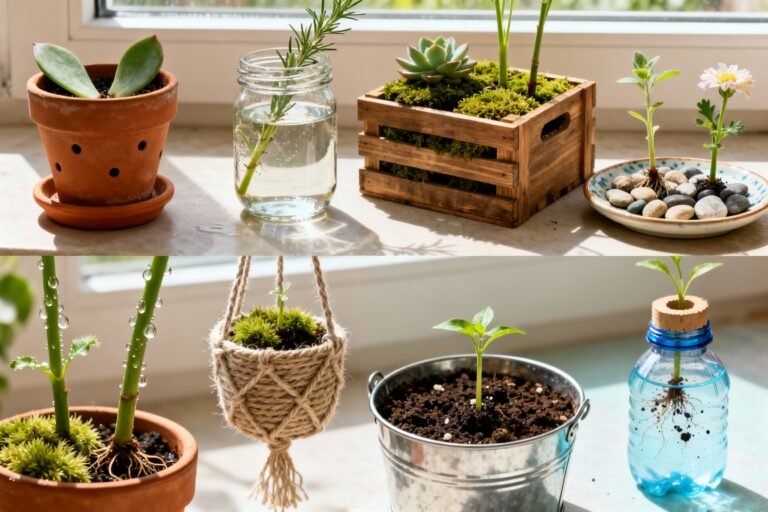
- Stick them in a glass with 2 inches of water on a sunny windowsill.
- Change water every couple days; wait for roots (7–14 days).
- Pot up in a 10–12 inch pot or plant outdoors once frost risk passes.
Soil, Light, and Water (The Big Three)
- Sun: Full sun.
Aim for 6–8 hours daily. Lemongrass is solar-powered optimism.
- Soil: Well-draining, rich mix. Add compost for extra oomph.
- Water: Keep evenly moist, not swampy.
It loves humidity; it hates wet feet.
- Temperature: Thrives above 60°F (15°C). Frost? Hard nope.
Container vs.
Ground: Choose Your Fighter
You can grow lemongrass in big pots or plant it right in the garden. Both work great—just pick based on your climate and commitment level.
Containers (a.k.a. The Apartment Jungle Option)
- Size: Start with at least 12 inches wide; bigger as it grows.
- Drainage: Non-negotiable.
Use a saucer but empty it often.
- Feeding: Monthly liquid fertilizer during spring and summer.
- Overwintering: Bring indoors before frost and park it by a sunny window.
In-Ground (for Warm Zones)
- Spacing: 24–36 inches between clumps. They plump up fast.
- Mulch: Keeps roots happy and weeds sulking.
- Cold climates: Treat it as an annual, or dig divisions and pot them for winter.
Harvesting: When and How to Snag the Good Stuff
Patience pays off. You can harvest once stalks reach thumb thickness and about a foot tall.
The magic happens at the base.
Technique That Doesn’t Mangle the Plant
- Grip a stalk near the base and twist/pull, or cut it low with a sharp knife.
- Peel off the tough outer layers until you reach the pale, tender core.
- Use the white bottom for cooking; save the tops for tea, stocks, or sachets.
Pro tip: Harvest a few stalks at a time from the outer edges. The clump keeps expanding, and you keep cooking. Win-win.
What Do You Actually Do With It? (A Lot.)
Lemongrass plays nice with ginger, garlic, coconut milk, and chili.
It’s bright without being sour and citrusy without the mess of zesting.
Kitchen Uses
- Soups and curries: Smash the stalk to release oils, then simmer and remove (like a bay leaf).
- Stir-fries: Finely mince the tender core and sauté.
- Tea: Steep fresh or dried blades with ginger and honey. Cozy in a cup.
- Marinades: Blend with garlic, lime, and fish sauce for grilled magic.
Beyond the Plate
- Natural fragrance: Toss leaves into bathwater or potpourri.
- Repellent vibes: It contains citronellal—IMO, not a forcefield, but helpful around patios.
- DIY oil: Infuse chopped stalks in neutral oil; use for massage or a subtle kitchen aroma.
Common Problems (And Chill Fixes)
Lemongrass rarely throws tantrums, but it has preferences. Meet them and it thrives.
- Brown tips? Usually low humidity or underwatering.
Mist occasionally and water consistently.
- Yellowing leaves? Overwatering or poor drainage. Ease up and improve soil aeration.
- Pests? Spider mites or aphids sometimes show up. Blast with water, then use insecticidal soap if needed.
- Stalled growth? Needs more sun or nitrogen.
Move it to brighter light and feed lightly.
Propagating Like a Pro
You can turn one plant into a small army. It divides easily, which makes sharing dangerously fun.
Division Steps
- Water the clump well the day before.
- Lift the plant or tip out the pot.
- Split into chunks with 3–5 stalks each. Use a sharp knife if roots are stubborn.
- Replant at the same depth, water in, then shade lightly for a day or two.
FYI: Dividing every year keeps plants vigorous and harvests at peak tenderness.
Storing Your Stash
You’ve harvested more than you can use (nice flex).
Store it right and you’ll have flavor on speed dial.
- Refrigerator: Whole stalks in a zip bag for up to 2–3 weeks.
- Freezer: Slice or keep whole; freeze in airtight bags for months.
- Dried: Air-dry leaves for tea; store in jars away from light.
- Paste: Blitz with a little oil; freeze in portions for instant recipes.
FAQ
Is lemon grass the same as citronella?
They’re cousins, not twins. Lemongrass (Cymbopogon citratus) shines in the kitchen, while citronella (Cymbopogon nardus or winterianus) gets the bug-repellent job. Both smell citrusy, but cooking with citronella tastes like scented candle soup—hard pass.
Can I grow lemon grass indoors year-round?
Yes, with bright light.
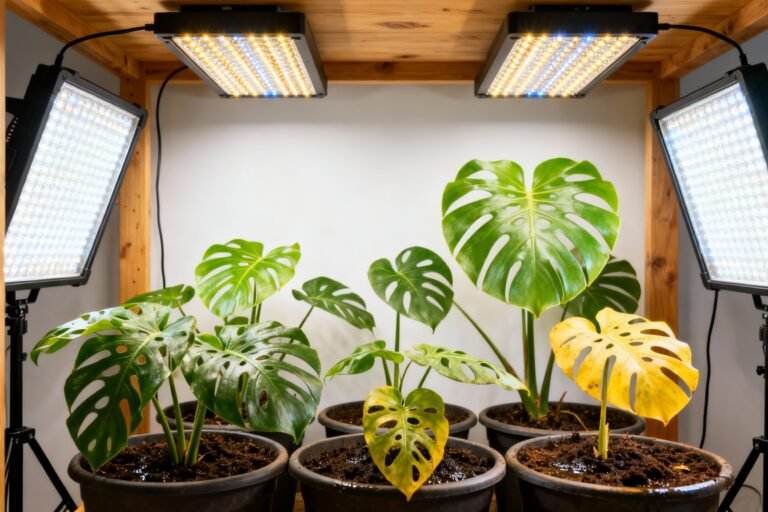
A sunny south-facing window or a grow light keeps it happy. Keep the soil lightly moist, boost humidity, and rotate the pot so it grows evenly. Indoors, it won’t get massive, but it stays productive.
How do I use it without getting fibrous bits in my food?
Use only the tender inner core for mincing.
For broths and soups, smash whole stalks and steep, then fish them out before serving. If you’re unsure, blend sauces and strain—zero stringy surprises.
What zones does lemon grass survive in the ground?
It’s perennial in USDA zones 9–11. In cooler zones, grow it as an annual or overwinter divisions indoors.
IMO, pot culture gives you the most flexibility if your winters bite.
Can I drink lemongrass tea every day?
Generally yes for most adults, but moderation stays wise. If you’re pregnant, breastfeeding, or on medications, check with your healthcare provider first. Always introduce new herbal teas slowly and see how your body reacts.
Why does my plant flop over?
Usually it needs more light or a haircut.
Trim older, outer leaves and harvest regularly to keep the clump tidy. A slightly deeper pot can help anchor tall growth.
Conclusion
Lemongrass gives you flavor, fragrance, and backyard style with minimal drama. Plant a few stalks, keep them sunny and watered, and harvest often.
Before you know it, you’ll toss it into everything from soups to cocktails and wonder how your kitchen ever survived without it. Go on—start a clump and let the citrusy chaos begin.