How to Grow a Mint Plant at Home: Step-by-Step Care Tips
Mint doesn’t ask for much, yet it shows up everywhere like the friend who “just happened to be in the neighborhood.” You sniff it and instantly think: mojitos, fresh breath, and maybe a fancy salad you saw on Instagram. But mint is more than a refreshing garnish—it’s a powerhouse plant that grows fast, tastes good, and makes your kitchen, garden, and drinks feel like they have their life together. Let’s give this aromatic overachiever the spotlight it deserves.
Meet Mint: The Aromatic Overachiever
Mint belongs to the Mentha genus, which includes familiar faces like spearmint and peppermint.
It spreads like a rumor and smells like summer. You’ll find it in gardens, teas, toothpaste, and your grandma’s herbal remedies. Why does mint feel so essential?
Because it’s easy to grow, it adds instant freshness to food and drinks, and it pulls double duty as a functional herb. FYI, it also looks cute in a windowsill pot. Win-win.
Spearmint vs.
Peppermint: What’s the Deal?
Not all mint tastes the same. You don’t want to muddle peppermint into your mojito and wonder why it tastes like Christmas gum.
- Spearmint (Mentha spicata): Sweeter, milder, with lower menthol. Great for cocktails, salads, and savory dishes.
Think “fresh and friendly.”
- Peppermint (Mentha × piperita): Stronger, sharper, higher menthol. Amazing for teas, desserts, and anything chocolate-adjacent. Think “cool and intense.”
- Chocolate mint, apple mint, pineapple mint: Fun varieties with subtle flavor twists.
Plants for your inner herb nerd.
How to Choose the Right Mint
– For drinks and everyday cooking: spearmint all the way. – For tea, syrups, and desserts: Go peppermint. – For novelty and vibes: Try chocolate mint and flex on your foodie friends.
Grow Mint Without Losing Your Yard
Mint grows fast. Like, “blink and it’s everywhere” fast. You’ll love that energy in a pot.
In a garden bed? You’ll cry later.
- Light: Full sun to partial shade. It tolerates a lot, but bright indirect light indoors keeps it happy.
- Soil: Moist, well-draining.
Rich soil = bigger leaves and better flavor.
- Water: Keep it evenly moist. Don’t drown it, but don’t let it crisp up either.
- Container growing: Do this if you value boundaries. Mint behaves best in pots, even when planted outdoors—sink the pot into the soil to contain roots.
- Spacing: Give it room.
It sprawls and sends runners underground. Cute, but chaotic.
Propagation: Mint Loves Making More Mint
Mint propagates so easily it’s almost suspicious. You can:
- Divide the root ball: Split a clump and replant.
Instant success.
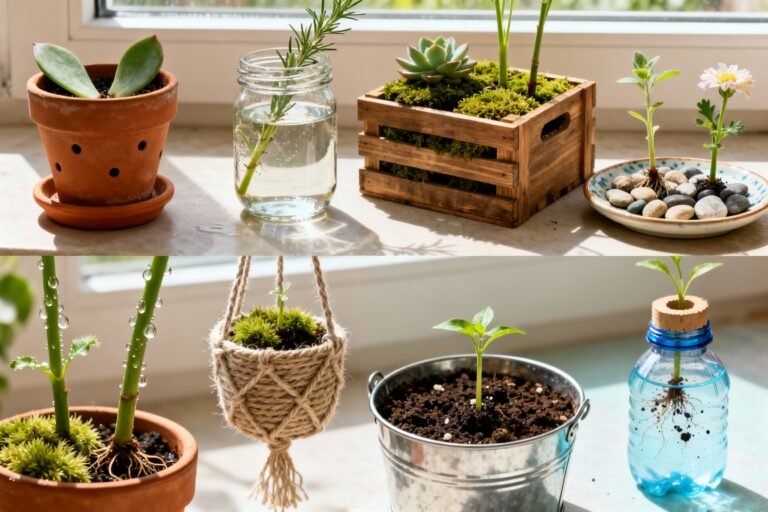
- Take cuttings: Snip a 4- to 6-inch stem, strip lower leaves, and stick it in water. Roots show up in a week. Transfer to soil once rooted.
- Layer stems: Pin a stem to soil; it’ll root where it touches.
Nature’s shortcut.
Keep It Thriving: Care Tips That Actually Work
You don’t need a herb PhD. Just a routine.
- Harvest often: Frequent trimming keeps plants bushy and flavorful. Pick before it flowers for the best taste.
- Fertilize lightly: A balanced, diluted fertilizer once a month in spring and summer works.
Too much = bland leaves.
- Prune hard mid-season: If it gets leggy, cut it back by a third. It rebounds like a champ.
- Overwintering: Mint dies back in frost but returns in spring. In cold regions, mulch lightly.
Indoors, give it bright light and cooler nights.
Pests and Problems
– Aphids: Rinse off or spray with soapy water. – Spider mites: Increase humidity and use neem oil if needed. – Rust fungus: Orange spots on leaves. Remove affected parts, improve airflow, avoid splashy watering. – Leggy growth: You’re not pruning enough. Snip more, worry less.
Mint in the Kitchen: Flavor Without Effort
Mint brings cool, bright notes to dishes without demanding attention.
It’s the supportive best friend of the herb world.
- Drinks: Mojitos, mint juleps, lemon-mint water, iced tea. Crush gently to release oils—don’t pulverize unless you like bitter vibes.
- Savory dishes: Toss with cucumbers, yogurt, and lemon; add to tabbouleh; sprinkle on grilled lamb or halloumi. Mint lifts heavy flavors like a pro.
- Sweets: Mint-chocolate anything, fruit salads, simple syrup for ice cream.
Peppermint tea syrup = chef’s kiss.
Quick Recipes to Try
– 5-Minute Mint Syrup: Simmer equal parts sugar and water, add a big handful of mint, steep 15 minutes, strain. Use in tea, cocktails, and lemonade. – Cucumber-Mint Salad: Sliced cucumbers, chopped mint, splash of rice vinegar, pinch of salt, olive oil. Chill and devour. – Minty Yogurt Sauce: Greek yogurt, lemon, garlic, salt, chopped mint.
Put it on everything. Yes, everything.
Health Perks: More Than Fresh Breath
Mint won’t replace your doctor, but it does offer legit benefits.
- Digestion support: Peppermint tea may ease bloating and stomach discomfort. That cooling menthol helps relax GI muscles.
- Headache relief: Peppermint oil on temples can provide a soothing, cooling effect.
- Breath freshening: Chew leaves or sip tea.
Nature’s mouthwash—minus the burn.
Safety Notes
– Essential oils = strong stuff. Always dilute before skin use, and avoid ingestion unless you know what you’re doing. – Reflux: Peppermint can aggravate acid reflux in some people. If that’s you, go easy. – Allergies and meds: If you’re on medication or pregnant, check with a pro first.
Not trying to be your mom—just saying, IMO better safe than sorry.
Harvesting, Storing, and Not Wasting a Single Leaf
You grew a jungle. Now what? Harvest smart and keep that flavor rolling.
- Best time: Morning, after dew dries but before harsh sun.
Oils peak then.
- How to cut: Snip stems just above a leaf node. Two new shoots will grow. It’s like a BOGO deal.
- Use fresh: Rinse gently, pat dry, and add at the end of cooking to keep flavors bright.
Storage Options
– Short-term: Store stems in a glass of water in the fridge, loosely covered.
Change water every couple days. – Freezing: Chop and freeze in ice cube trays with water or olive oil. Instant flavor bombs. – Drying: Tie small bundles and hang upside down, or use a dehydrator on low. Dried mint shines in tea and rubs.
Creative Uses You’ll Actually Try
Beyond the kitchen, mint gets surprisingly versatile.
- Natural air freshener: Rub leaves between your fingers to release oil, or simmer mint with citrus peels.
- Bug deterrent: Mint can help discourage ants and flies.
Place crushed leaves near entry points. Not a forcefield, but it helps.
- DIY self-care: Add mint to bath salts, foot soaks, or facial steam. Spa vibes on a budget.
- Companion planting: Some gardeners use mint to confuse pests.
Just keep it contained so it doesn’t confuse your entire garden layout.
FAQs
Is mint hard to grow indoors?
Not at all. Give it bright, indirect light, a pot with drainage, and consistent moisture. Rotate the pot weekly so it doesn’t lean, and trim often to keep it compact and leafy.
Why does my mint taste bitter?
You might over-muddle or harvest after it flowers.
Trim flower buds as they appear and add mint at the end of cooking. Also, stressed plants (too dry, too hot) can taste harsher.
Can I plant different types of mint together?
You can, but they’ll cross-pollinate and blur flavors over time if they go to seed. If you care about pure variety, separate them.
If you just want tasty leaves, mix away, FYI.
How do I stop mint from taking over my garden?
Contain the roots. Plant mint in a pot and sink the pot into the ground, or use a root barrier at least 12–18 inches deep. Regularly edge and prune runners.
Aggressive? Yes. Effective?
Also yes.
What’s the best way to dry mint for tea?
Harvest just before flowering, rinse lightly, pat dry, and air-dry in small bundles in a dark, airy spot. Once crispy, crumble leaves and store in airtight jars away from light and heat.
Can pets eat mint?
In small amounts, plain mint is usually fine for dogs and cats, but avoid pennyroyal (a different mint relative) and any essential oils. If your pet has a sensitive stomach, keep it minimal and watch for reactions.
Mint: The Small Herb With Big Energy
Mint doesn’t need coddling, but it gives you a lot back—fresh flavor, a fragrant home, and a steady supply of “wow, that tastes better” moments.
Plant it once, keep it contained, and harvest often. You’ll never look at a limp store-bought bundle the same again, IMO. Keep a pot on the porch, another on the windowsill, and thank yourself every time your lemonade suddenly tastes like summer.