How to Create a Modern Garden: Layouts, Plants, and Tips
You want a modern garden that looks amazing, works hard, and doesn’t eat your weekend alive? Same. Forget fussy borders and endless mowing.
Let’s talk about gardens that practically run themselves, support pollinators, and still make your neighbors suspiciously friendly. You’ll get simple design moves, plant picks that don’t need babysitting, and smart tech that actually helps.
What “Modern Garden” Actually Means
Modern garden doesn’t mean sterile concrete and two succulents. It means intentional, low-maintenance, and multi-functional.
You combine clean lines with lush planting, and you design for year-round interest. It also means you plan for real life. You want seating, privacy, a spot for morning coffee, and a path you can walk on without twisting an ankle.
You keep the vibe simple but not boring.
Design Like You Mean It
Start with structure. Think shapes, not plants. Create zones and repeat materials so the whole space feels cohesive.
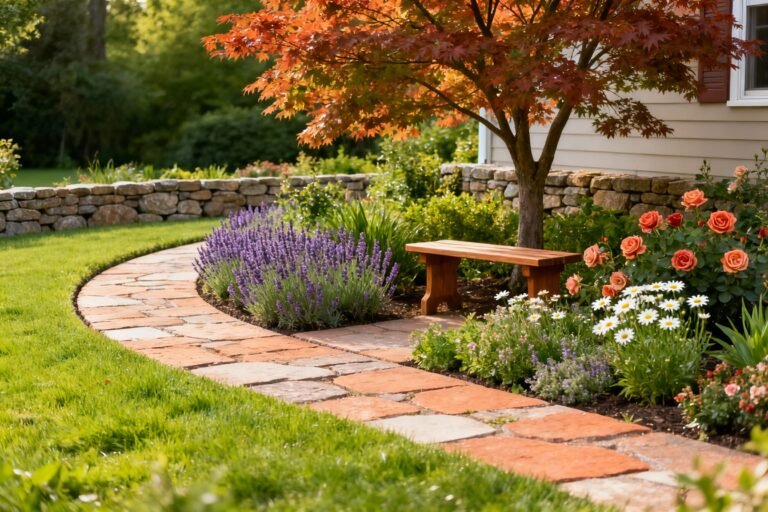
- Paths and lines: Use straight or gently curved paths for clarity.
Gravel, decomposed granite, or large pavers keep it modern and tidy.
- Simple palette: Pick 2-3 materials max (wood + steel + gravel works great) and stick to them like a minimalist on a mission.
- Layered planting: Tall at the back, medium in the middle, low at the front. Repetition = calm.
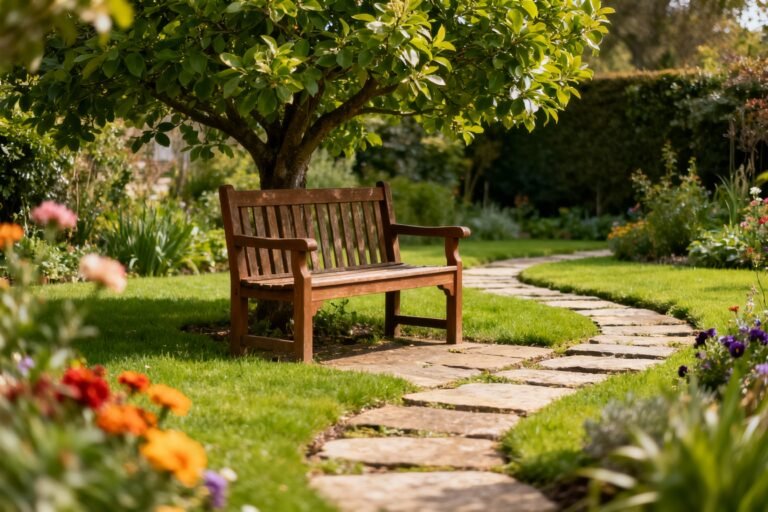
- Framing views: Aim a bench at your best tree or set a path toward a focal pot. Give your eyes somewhere happy to land.
Small Space?
Go Vertical
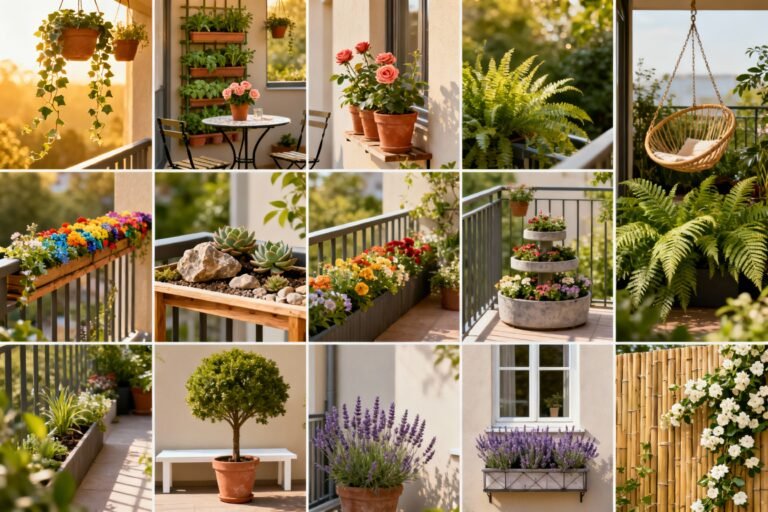
Use trellises, wall planters, and climbers. A narrow fence becomes a green wall with jasmine, star jasmine, or clematis. Bonus: instant privacy without building a fortress.
Planting That Pulls Its Weight
Modern planting looks effortless because it is—when you choose plants that tolerate neglect.
You want texture, repetition, and plants that still look good when you forget to water.
- Evergreen backbone: Boxwood balls, pittosporum, podocarpus, or dwarf olives. They keep the structure year-round.
- Grasses for movement: Pennisetum, feather reed grass, blue fescue. They add motion and sound.
Yes, your garden can whisper.
- Pollinator color pops: Salvia, echinacea, rudbeckia, agastache. They flower like show-offs and invite bees.
- Drought-smart heroes: Lavender, rosemary, sedum, artemisia. Low watering, high style.
IMO: Natives Are Your MVPs
Local natives often need less water and fewer interventions.
They feed local wildlife and handle your climate without drama. FYI, your HOA will live.
Seasonal Interest Without Drama
Layer spring bulbs under summer perennials. Add fall color with Japanese maple or smoke bush.
Leave seed heads in winter—they look sculptural and feed birds. It’s like a subscription box of beauty, but free.
Hardscape That Doesn’t Try Too Hard
Hardscape sets the tone. Keep it streamlined and practical.
- Pavers: Large-format concrete or porcelain pavers look clean and make mowing edges easy.
- Gravel zones: Great for drainage, modern texture, and chair legs that don’t sink (pro tip: compact with a plate compactor).
- Metal edging: Corten or powder-coated steel keeps lines crisp and beds contained.
- Decking: Composite or thermally modified wood = fewer splinters, less maintenance.
Lighting That Serves a Purpose
Use warm LED path lights, in-ground uplights for trees, and a couple of sconces by seating.
Don’t turn your yard into a runway. Subtle light = instant mood.
Water Less, Enjoy More
Irrigation matters. You can be water-wise without your garden looking crunchy.
- Drip irrigation: Delivers water to roots where plants actually use it.
Less evaporation, fewer weeds.
- Mulch: Two to three inches of shredded bark or gravel reduces watering and ties the look together.
- Group by thirst: Put high-water plants together near hose access. Put tough plants farther out.
Rain Is a Resource
Consider a rain garden or swale if you get seasonal downpours. Add a rain barrel with a simple overflow to a planted bed.
Your plants will thank you, your water bill will chill, and IMO your inner eco-nerd will feel smug.
Smart Tech That Actually Helps
Yes, tech belongs in the garden—as long as it keeps things simple.
- Smart controllers: Weather-based irrigation adjusts schedules automatically. Set it and stop babysitting.
- Soil sensors: Alert you before plants faint. Great if you travel or forget you own plants.
- Low-voltage lighting timers: Sync with sunset.
No fiddling with switches in your slippers.
Containers for Flexibility
Use large, simple pots in matte finishes. Plant one thriller (like a dwarf olive), a filler (like heuchera), and a spiller (like trailing rosemary). Move them seasonally, or group them by your seating for maximum ambiance.
Wildlife-Friendly Without the Mess
You can support wildlife and keep the clean look.
Promise.
- Choose nectar and host plants: Milkweed for monarchs, salvia for bees, penstemon for hummingbirds.
- Water source: A shallow birdbath with a stone for perches keeps visitors safe and happy.
- Leave some “nice” mess: Keep a small brush pile tucked away or leave hollow stems for insects. Hide it behind shrubs if you crave tidiness.
No-Chem Zone
Skip harsh pesticides. Use neem, insecticidal soap, and beneficial insects.
Healthy soil and plant diversity do more than any spray, IMO.
Maintenance You’ll Actually Do
Design for your future lazy self. If a task feels tedious now, you will definitely skip it later.
- Right plant, right place: Sun lovers in sun, shade lovers in shade, and your back won’t file a complaint.
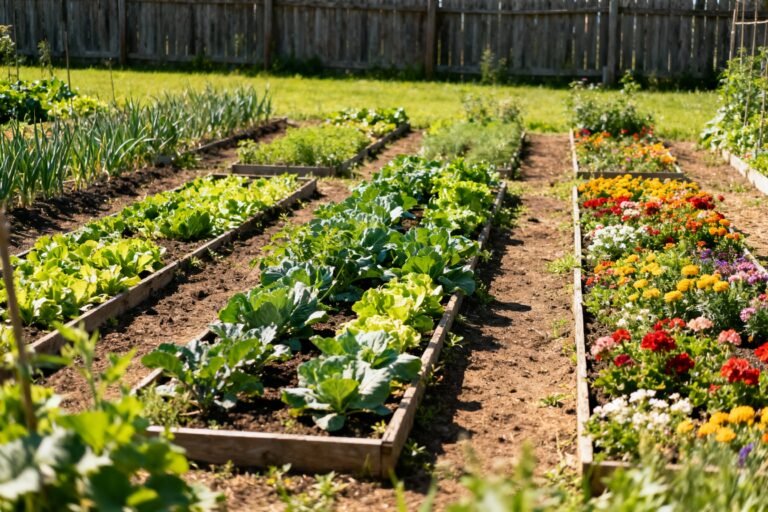
- Fewer, bigger beds: Curate instead of sprinkling plants everywhere. Less edging, less weeding.
- Seasonal rhythm:
- Spring: Edit dead stems, top up mulch, divide crowded perennials.
- Summer: Deadhead when you feel like it (not mandatory), check drip lines.
- Fall: Plant bulbs, cut back floppers, add compost.
- Winter: Prune structure and sip something warm while admiring your evergreen bones.
FAQs
How do I start a modern garden on a budget?
Focus on structure first: define beds with steel or composite edging, add gravel paths, and buy fewer plants but in larger groups.
Choose perennials and grasses that spread moderately, and divide them in a year or two. Use big-box pavers, DIY mulch, and invest in one strong focal tree or pot to anchor the space.
Which plants look modern but stay low-maintenance?
Go for evergreen anchors like dwarf olive, podocarpus, or pittosporum; texture from grasses like feather reed and blue fescue; and seasonal color from salvia, echinacea, and rudbeckia. Add lavender and rosemary for drought tolerance and fragrance.
If you’re coastal or arid, sedum and aeonium bring the architectural vibe without constant watering.
Can a modern garden work in shade?
Absolutely. Lean into texture: ferns, heuchera, hosta, carex, and hellebore deliver layers without sun. Use lighter hardscape (like pale gravel) to brighten things up, and add uplights under shrubs or small trees.
FYI, repeated foliage colors—lime, silver, deep green—keep the look cohesive.
Do I need a lawn?
Nope. Replace it with groundcovers (kurapia, thyme, or clover), gravel courts with pavers, or a mix of beds and a small deck. If you want a little green plush, consider a tiny, defined patch of low-mow fescue.
Smaller lawn = less watering, less maintenance, fewer Saturday regrets.
How can I make a rental-friendly modern garden?
Think containers, modular decks, and freestanding trellises. Use large pots with small trees and perennials, lay down gravel over landscape fabric for a reversible patio, and add solar lights. Everything can move with you, and you’ll still get the modern look.
What mistakes should I avoid?
Don’t use too many materials or plant varieties.
Don’t plant thirsty divas far from water. Skip tiny pavers that create trip hazards. And avoid over-lighting—your garden isn’t an interrogation room.
Conclusion
A modern garden puts beauty, function, and low effort on the same team.
Keep the materials simple, the plants tough, and the lines clean. Add smart irrigation, a few lights, and a comfy chair. Then sit down and enjoy the smug satisfaction of a space that looks curated without turning your weekends into yard boot camp.