Stunning Orange Flowers to Brighten Your Garden All Year
Orange flowers don’t whisper; they shout—in the best way. They show up like little suns, warming up gardens, bouquets, and moods. Want color that looks alive even on a gloomy day?
Orange blooms deliver that bold, feel-good energy without asking for permission.
Why Orange Flowers Just Work
Orange sits right between sunny yellow and fiery red, and it borrows the best from both. You get warmth, optimism, and a dash of drama. That combo makes orange flowers perfect for anyone who loves color but doesn’t want neon chaos.
They flatter almost any garden style. Cottage garden? Add zinnias.
Modern minimalist patio? Go for sleek orange tulips. Wildflower vibes?
Toss in marigolds or cosmos and call it a day. Pro tip: Pair orange with deep purples, blues, or smokey greens for instant contrast. Want something softer? Mix with peach, coral, and creamy whites.
The Stars of the Orange Flower World
Let’s be real: not all orange flowers are created equal.
Some steal the show; others support like a best friend with snacks. Here are the MVPs.
- Marigolds (Tagetes) – Sturdy, bright, and impossible to kill (almost). They bloom forever and help repel pests.
Garden heroes, IMO.
- Zinnias – Total color bombs. They love heat, shrug off summer drama, and make fantastic cut flowers.
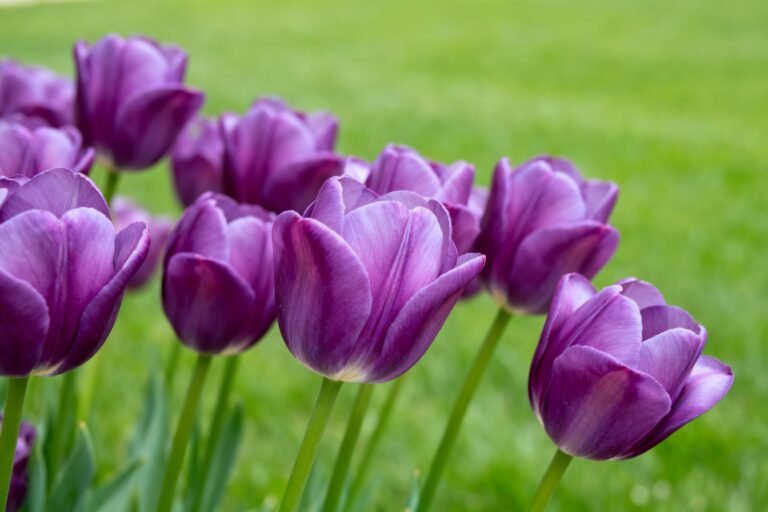
- Tulips – Orange tulips look elegant, not loud. Try ‘Princess Irene’ or ‘Ballerina’ for that chic, candle-flame look.
- Calendula – Edible petals, medicinal folklore, and cheery faces.
They glow in cool seasons.
- Daylilies – Low maintenance, high output. Orange varieties like ‘Orange Velvet’ put on a show.
- Ranunculus – Fluffy, layered, and wildly photogenic. Spring weddings love them for a reason.
- Tithonia (Mexican Sunflower) – Tall, fiery, and beloved by butterflies.
It’s a pollinator rave.
- Bird of Paradise – Tropical drama with orange and blue spikes. Houseplant? Garden centerpiece?
Yes.
Underrated Picks You Should Try
- Geum – Soft, ruffled orange that plays nicely with airy grasses.
- Crocosmia – Arching blooms that ignite borders mid-summer.
- Leonotis (Lion’s Ear) – Fuzzy orange whorls that look like something from a fantasy novel.
Color Pairing 101: Make Orange Look Intentional
Bold color needs a plan. Otherwise, it can veer into “traffic cone” territory. Here’s how to finesse it.
High-Contrast Drama
Pair orange with deep blues and purples.
Think salvia, lavender, or purple basil. The contrast makes orange glow without shouting over everything else.
Warm Sunset Palette
Mix orange with coral, apricot, and soft yellow. Add creamy white for breathing room.
This combo looks dreamy in evening light—perfect for patio hangs.
Modern Minimalist
Use orange blooms in tight, clean clusters against dark foliage. Black mondo grass, smokebush, or deep green conifers keep things crisp and contemporary. FYI: Limit your palette to 2–3 dominant colors. Your garden will look curated, not chaotic.
Growing Orange Flowers Without the Drama
You don’t need a horticulture degree. You just need basic sun, soil, and watering habits.
Done.
- Sun: Most orange flowers thrive in full sun (6–8 hours). Shade equals fewer blooms and lanky plants.
- Soil: Well-draining soil beats rich soil every time. Amend with compost; avoid heavy clay unless you improve it.
- Water: Deep and infrequent.
Let the top inch dry out between waterings to prevent rot.
- Feeding: Use a balanced fertilizer in spring. Don’t overdo nitrogen—leaves go wild, flowers skip town.
- Deadheading: Remove faded blooms. You’ll get more flowers and fewer sad, brown heads.
Easy Annuals for Fast Color
- Zinnias and marigolds from seed = instant gratification.
- Calendula handles cool temps and keeps blooming if you cut it regularly.
- Tithonia brings height and pollinators—grow it at the back of borders.
Perennials That Come Back
- Daylilies and geum return with minimal effort.
- Crocosmia spreads slowly and lights up mid-summer.
- Echinacea ‘Tiki Torch’ serves orange cones with serious stamina.
Orange Flowers: Symbolism and Vibes
We don’t garden in a vacuum—colors carry meaning.
Orange leans joyful, energetic, and a bit flirty. You send orange when you want to say, “I like you, and I also like fun.”
- Marigolds symbolize warmth, celebration, and remembrance in many cultures.
- Orange roses say enthusiasm and fascination—aka crush energy.
- Calendula ties to healing and protection in herbal lore.
IMO: If you want a bouquet that reads confident without tipping into “hot date” territory, choose orange with soft greens and a touch of white.
Design Ideas That Don’t Miss
You don’t need a full redesign. Add orange with intention and watch the space wake up.
Containers That Pop
Use charcoal or matte black pots to make orange blossoms look electric.
Combine:
- Spike: Purple fountain grass
- Filler: Orange calibrachoa or marigolds
- Spiller: Lime sweet potato vine
Cut Flower Heaven
Plant rows of zinnias, dahlias, and calendula for endless bouquets. Snip in the morning, strip the lower leaves, and change the water daily. Add herbs like basil or mint for scent and texture.
Pollinator Paradise
Orange draws bees, butterflies, and hummingbirds like a buffet sign.
Grow:
- Tithonia for monarchs
- Cosmos for bees
- Agastache with orange tones for hummers
Seasonal Orange: What to Plant and When
You can plan an orange moment for almost every month if you stagger bloomers.
- Spring: Tulips, ranunculus, geum, calendula
- Summer: Zinnias, daylilies, crocosmia, cosmos, marigolds
- Late Summer–Fall: Tithonia, dahlias, echinacea hybrids, chrysanthemums
FYI: If winters hit hard, treat tender tubers (like dahlias) as annuals or lift and store them. Your future self will thank you.
Common Mistakes (And How to Dodge Them)
We’ve all been there. Learn fast; look pro.
- Overcrowding: Give plants space.
Airflow prevents disease and keeps the look clean.
- Too many loud colors: Choose one star color (orange) and 1–2 supporting shades.
- Ignoring deadheading: Spent blooms signal the plant to stop. Keep snipping.
- Wrong placement: Full-sun plants sulk in shade. Read the tag; trust the tag.
- No foliage contrast: Add silver (artemisia), chartreuse (heuchera), or dark leaves (coleus) for balance.
FAQ: Orange Flower Real Talk
Do orange flowers attract more pollinators?
Yes.
Bright orange sits smack in the visual sweet spot for many pollinators. Butterflies and bees flock to zinnias, tithonia, and cosmos. If you want a living, buzzing garden, orange absolutely helps.
Can I grow orange flowers in shade?
Some, but expect fewer blooms.
Try begonias with orange tones or impatiens for part shade. For best color, give your orange stars at least a few hours of direct sun.
Which orange flowers are best for cut arrangements?
Zinnias, ranunculus, tulips, dahlias, and calendula shine in vases. Harvest when blooms just open, use clean shears, and place stems in lukewarm water with a floral preservative.
Rotate water daily to keep them perky.
Are orange marigolds really good for pest control?
They help, but they’re not force fields. Marigolds can deter some nematodes and distract pests with their scent. Combine them with mulching, crop rotation, and healthy soil habits for real results.
What colors pair best with orange without clashing?
Deep purples and blues create striking contrast.
Soft peaches and creams calm things down. Earthy greens and bronzy foliage tie the whole palette together.
How do I keep orange blooms from fading in heat?
Water deeply, mulch to regulate soil temperature, and plant heat-tolerant varieties like zinnias, tithonia, and marigolds. Afternoon shade helps in scorch-prone areas.
Some tulips and ranunculus prefer cooler seasons—time those for spring.
Conclusion
Orange flowers bring joy with zero subtlety, and that’s the point. They energize spaces, feed pollinators, and turn basic beds into moments. Start with a few marigolds or zinnias, layer in tulips or crocosmia, and play with contrast.
Before long, your garden will glow like golden hour—no filter needed, IMO.