Orange Flowers: Best Varieties for Vibrant Gardens
Orange flowers don’t whisper. They shout. They throw confetti at your eyeballs and dare you to look away.
If your garden needs caffeine, these blooms basically hand it an espresso and wink. Ready to turn up the color and the mood? Let’s talk orange—bold, uplifting, and a little bit mischievous.
Why Orange Works (And Why Your Garden Wants It)
Orange sits right between red and yellow, so it borrows the best of both worlds.
It feels warm, energetic, and joyful—without the aggression of red or the sweetness of yellow. You plant orange when you want instant optimism. It also plays beautifully with others.
Orange pairs with purple for drama, with blue for contrast, and with white for a clean, modern look. Need a color that wakes up a dull corner? Orange says, “Hold my petals.”
Meet the MVPs: Orange Flowers You’ll Actually Love
Some plants wear orange like they were born for it.
You don’t need a botanical degree to grow these—just some sun and an appetite for color.
- Marigolds (Tagetes): Cheap, cheerful, and practically foolproof. They bloom nonstop, smell a bit spicy, and deter some pests. Win-win.
- Calendula: The edible cousin with softer petals.
Great in salads and salves. Think “farmers market chic.”
- Ranunculus: Layers of tissue-paper petals that look designer. Plant the corms in cool weather and prepare to gasp.
- Orange Tulips: April parties in flower form.
Varieties like ‘Ballerina’ or ‘Orange Emperor’ will stop traffic (figuratively, please).
- Mexican Sunflower (Tithonia): Tall, blazing, butterfly magnets. If you want pollinators, this is a neon sign.
- Zinnias: Summer soldiers. Cut-and-come-again champions that light up containers and beds.
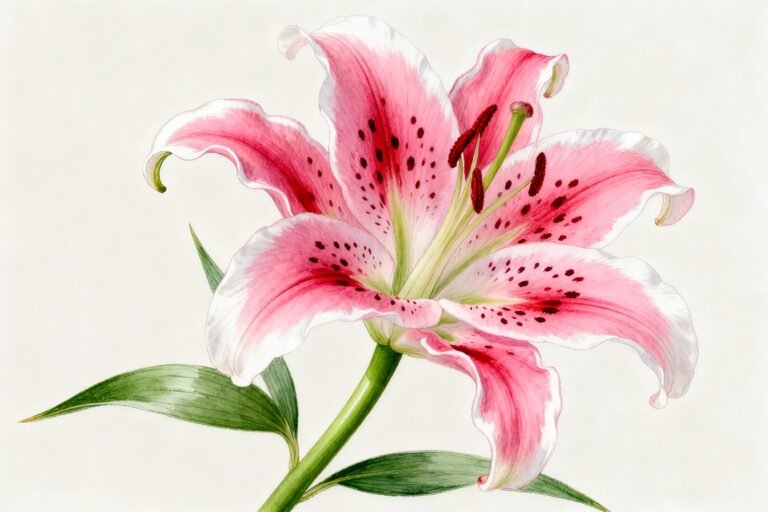
- Tiger Lily: Freckled and fabulous.
Naturalizes lightly and shows off without asking permission.
- Bird of Paradise: Architectural and tropical. If your climate allows, it’s a whole vibe.
- Nasturtiums: Edible, peppery, and determined. They spill out of pots like confetti.
- Orange Roses: ‘Tropicana’ and ‘Lady of Shalott’ bring romance to the orange party.
Annuals vs.
Perennials: Choose Your Adventure
- Annuals (marigolds, zinnias, nasturtiums): Fast color, all season. Perfect for instant gratification.
- Perennials (daylilies, coneflowers, lilies): Come back each year with less work. Your future self says thanks.
- Bulbs/Corms (tulips, ranunculus, dahlias): Seasonal magic.
Plant ahead, then brag later.
Designing with Orange Without Overdoing It
Yes, orange can overwhelm if you go full traffic cone. But a smart mix looks intentional and modern.
Color Pairings That Never Miss
- Orange + Blue: High contrast and super crisp. Think orange zinnias with blue salvia.
- Orange + Purple: Moody meets vibrant.
Try orange marigolds with purple verbena.
- Orange + White: Clean and fresh. White cosmos keeps things airy.
- Monochrome Mix: Blend light peach, tangerine, and deep burnt orange for depth. It looks expensive.
IMO, it’s the easiest pro-level trick.
Texture and Shape Matter
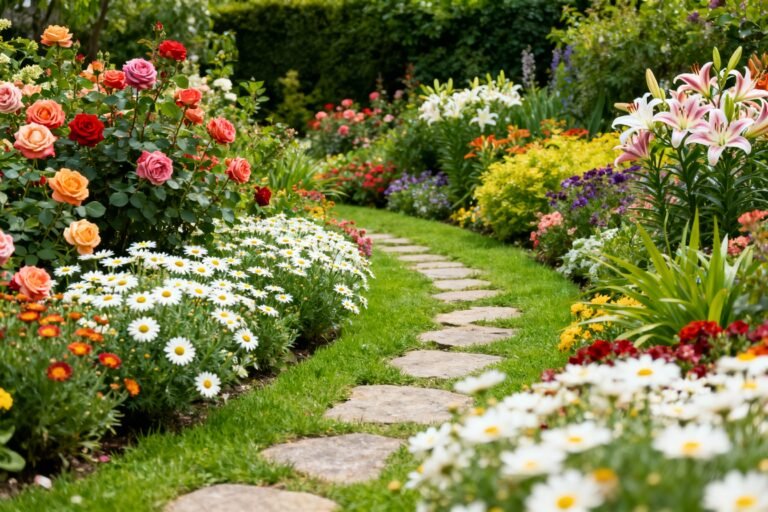
Balance soft, frilly blooms with spiky accents. Pair ranunculus with snapdragons. Add airy fillers like ammi or feather grass. Contrast creates rhythm, and rhythm keeps your eye moving (and your Instagram thriving).
Planting and Care: Keep It Simple, Keep It Bright
Most orange bloomers love sun and decent drainage.
Baby them at first, then let them flex.
- Sun: 6–8 hours for top color. A little afternoon shade helps in scorching climates.
- Soil: Well-drained, lightly enriched with compost. Soggy soil = drama you don’t want.
- Water: Deep, infrequent watering encourages strong roots.
Drip irrigation if you can swing it.
- Feeding: Balanced fertilizer early, then a bloom booster mid-season for annuals.
- Deadheading: Remove spent blooms to keep the show going. It’s oddly satisfying.
Climate Tips
- Cool seasons: Plant ranunculus, calendula, and spring bulbs.
- Hot summers: Zinnias, marigolds, tithonia, and lantana won’t flinch.
- Mild winters: Go bold with bird of paradise, alstromeria, and canna lilies.
Orange Indoors: Cut Flowers and Arrangements
Orange looks incredible on a table. It warms up the room like a golden-hour filter.
- Best for cuts: Ranunculus, zinnias, dahlias, tulips, and roses.
- Pro tip: Strip foliage below the waterline.
Give clean diagonal cuts. Change water every 2–3 days.
- Easy combos:
- Orange tulips + white stock + eucalyptus
- Burnt-orange dahlias + burgundy basil + amaranth
- Nasturtiums trailing from a low bowl with herbs (casual perfection)
Vase Life Hacks
- Tulips keep growing in the vase. Give them room to arc gracefully.
- Zinnias pass the “wiggle test” (if the stem head doesn’t flop when you shake it, it’s ready).
- Ranunculus like cool rooms.
Heat shortens their diva performance.
Symbolism and Occasions: What Orange Says Without Words
Colors carry vibes, and orange practically hums with them. It says, enthusiasm, warmth, and courage. You use orange when you want to celebrate and uplift, not whisper sweet nothings.
- Gifts: Perfect for congrats, new jobs, housewarmings, or “you’re awesome” moments.
- Weddings: Pair apricot and tangerine with blush for autumn romance.
FYI, it photographs beautifully at sunset.
- Seasonal decor: Orange for fall is the obvious move, but try neon orange in summer with electric blue—chef’s kiss.
Wildlife Bonus: Pollinators Love Orange
If you want a garden that buzzes, lean into orange. Tithonia, lantana, and zinnias draw butterflies and bees like free pizza. Hummingbirds also swing by for trumpet-shaped orange blooms. Want a pollinator pit stop?
Plant a small patch with staggered bloom times. You’ll feed beneficials from spring through fall, and your garden will thank you with more fruit and seeds. Nature: still the best collaborator.
Common Mistakes (And How to Dodge Them)
We’ve all been there.
Here’s how to avoid the facepalms.
- Going all-in on one orange: Mix shades—peach, tangerine, copper—for a layered look.
- Ignoring foliage: Balance hot color with cool leaves. Silver foliage (artemisia, dusty miller) calms the intensity.
- Skipping scale: Tall tithonia in front of low borders = oops. Place giants in the back.
- Planting too dense: Orange blooms need airflow to avoid mildew, especially zinnias.
- Forgetting succession: Stagger annuals and bulbs so you don’t end up with a mid-summer snooze.
FAQs
What orange flowers bloom the longest?
Marigolds and zinnias win for sheer duration in warm months.
Tithonia also blooms for ages if you keep it fed and watered. For cooler seasons, calendula and some hardy chrysanthemums carry the torch.
Can I grow orange flowers in containers?
Absolutely. Use a quality potting mix, a pot with drainage, and pick compact varieties like dwarf marigolds, patio dahlias, or mini zinnias.
Add trailing nasturtiums for that “I casually glow” look.
Do orange flowers attract pests?
Some do, some don’t. Marigolds can actually help with certain pests, while zinnias might attract powdery mildew if crowded. Good spacing, air flow, and morning watering solve most problems, IMO.
What colors clash with orange?
Not many if you balance tones.
Neon orange with muddy brown can go sideways. If in doubt, pair orange with crisp neutrals (white, charcoal) or its opposites (blue, purple) and you’re golden.
Are there shade-tolerant orange flowers?
True shade options run limited, but you can try impatiens in bright shade for coral-apricot tones. Most orange stunners want at least a few hours of sun.
Filtered light works for begonias and some roses.
How do I keep cut orange tulips from flopping?
Use a tall, narrow vase and only a few inches of water at first. Refill as they drink. Keep them cool and away from fruit (ethylene gas = sad tulips).
Conclusion
Orange flowers don’t just decorate—they energize.
They warm up spaces, feed pollinators, and make your garden look like it planned a party. Mix shades, play with contrast, and don’t be shy. Plant a little orange, and watch everything—and everyone—perk up.
FYI, once you go tangerine, you’ll rarely go back.