Outdoor Gardens Design Guide: Plants, Layouts, and Styling Ideas
You want a garden that makes you grin every time you step outside, right? Not a museum exhibit, not a jungle—just a space that feels like you. Good news: you can design that, even without a landscape architecture degree or a wheelbarrow full of cash.
Let’s talk strategy, style, and a few tricks that make backyard magic happen—without the boring fluff.
Start With Purpose (Your Garden Needs a Job)
Before you buy a single plant, decide what your garden actually does. Entertaining friends? Growing tomatoes?
A quiet reading corner? Design gets easy when you pick a mission.
- Entertaining: Plan for seating, shade, and lighting first. Plants support the vibe.
- Play space: Think open lawn, durable plants, and clear sightlines.
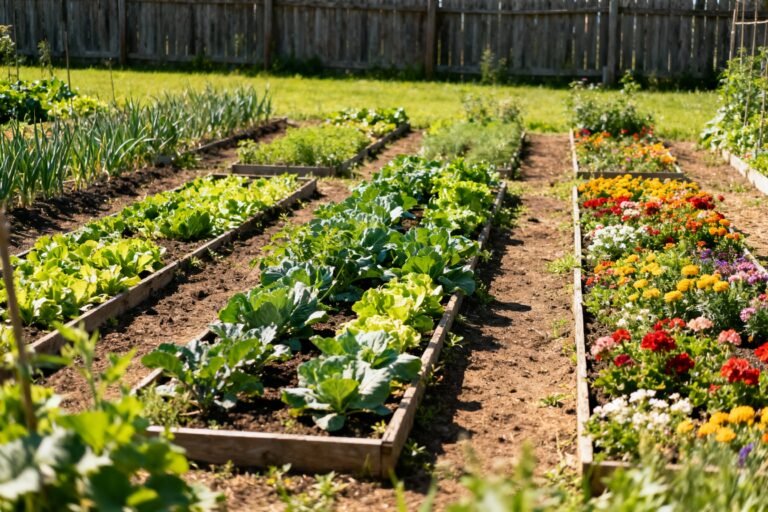
- Food garden: Prioritize sun access, raised beds, and easy watering.
- Zen zone: Simple planting, water feature, and comfy solo seating.
Pro tip: Map sun and traffic
Watch your yard for a day.
Note where sun hits morning and afternoon. Trace the paths you already walk. Place seating where your feet and the sunshine naturally go.
If you fight your yard, it wins. Every time.
Pick a Style You’ll Actually Stick With
You don’t need a label for your garden, but themes help with decisions. Think “coastal minimal,” “woodland shade,” or “courtyard chic.” The trick? Repeat materials and colors. Repetition makes small spaces feel intentional and big spaces feel cohesive.
- Modern: Clean lines, concrete, grasses, black planters, structural shrubs.
- Cottage: Abundant blooms, curved beds, brick or gravel, pastel palette.
- Mediterranean: Terracotta, silvery foliage, lavender, olive tones, gravel.
- Wildlife-friendly: Native plants, layered heights, water source, no pesticides.
Color and texture rules (the easy version)
– Stick to 2-3 main colors for hardscape and furniture. – Choose plants that share leaf texture or shape for calm, or mix boldly for energy. – FYI: foliage does more heavy lifting than flowers.
Flowers clock out; leaves work year-round.
Structure First, Plants Second
A great garden has bones. That means paths, edges, and shapes that hold the space together when nothing’s blooming. Yes, I’m talking about the not-so-glamorous stuff—and it matters a lot.
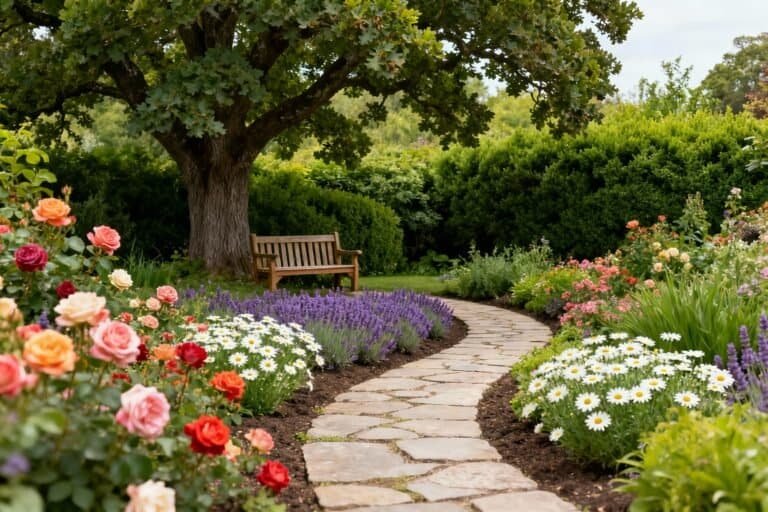
- Paths: Gravel, stepping stones, or pavers.
Make walking feel obvious and pleasant.
- Beds with edges: Steel, brick, or stone. Clean edges make everything look expensive. It’s magic.
- Verticals: Trellises, pergolas, small trees.
You need height so the garden doesn’t feel flat.
- Focal points: A bench, fire bowl, urn, or even a really cool shrub. Give the eye a place to land.
Quick layout formula
– One major seating area near the house. – One secondary “destination” (bench under a tree, bistro set in a corner). – Curved or straight paths that actually connect these spots. – Plant in groups of 3–5, not singles. It reads as intentional, not chaotic.
Plant Smart: Layer for Year-Round Interest
You want something to look good in every season.
That means mixing evergreen structure with seasonal stars. IMO, choose plants for leaves and form first—flowers are the bonus track.
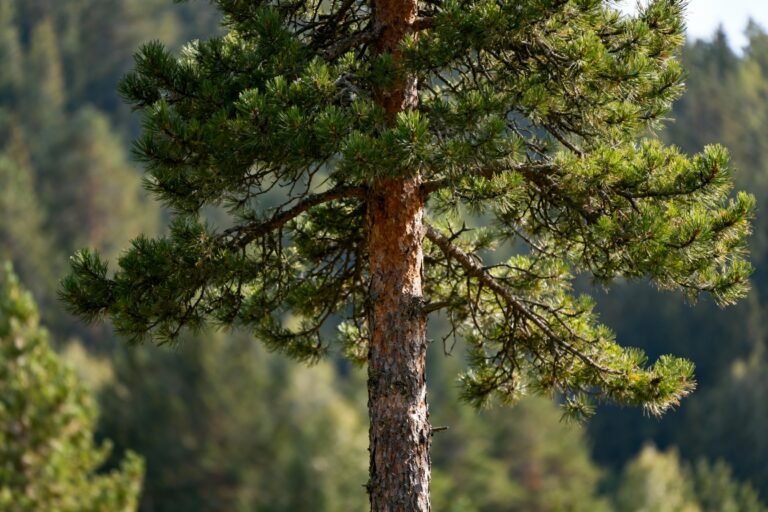
- Evergreen backbone: Boxwood, yew, holly, rosemary, pittosporum, or native equivalents.
- Flowering layers: Spring bulbs, summer perennials (salvia, echinacea), fall grasses (panicum, miscanthus).
- Texture and movement: Ornamental grasses make everything cooler. Add them.
- Groundcovers: Thyme, ajuga, mondo grass, creeping jenny fill gaps and block weeds.
Sun, soil, and water: the holy trinity
– Sun: Full sun = 6+ hours.
Partial = 3–6. Shade = less than 3. Plants care.
A lot. – Soil: Do a quick soil test or at least observe drainage. Amend with compost as needed. – Water: Group thirsty plants together. Drip irrigation saves time (and your sanity).
Hardscape Without the Headache
You can elevate your garden fast with a few hardscape upgrades.
Keep it consistent and it’ll look custom, even if you built it over a weekend.
- Paths: Decomposed granite or gravel = budget-friendly and pretty. Use steel edging for crisp lines.
- Patios: Pavers on a compacted base or large stepping stones set in gravel.
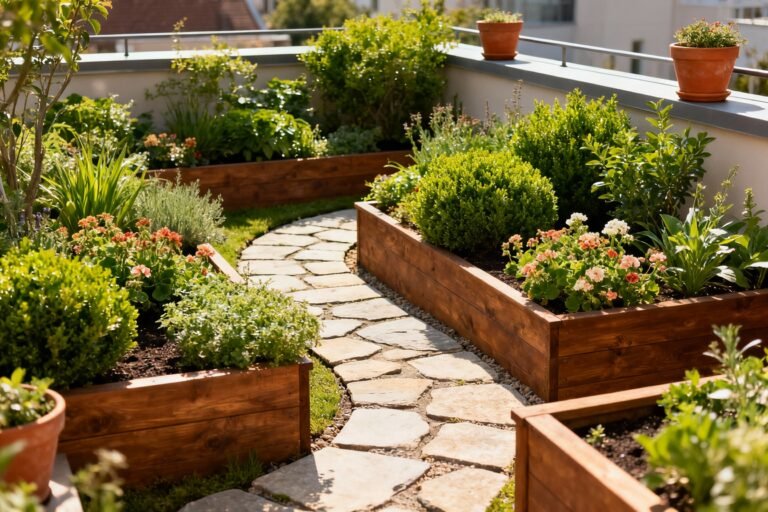
- Raised beds: Cedar or steel beds look tidy and make maintenance easier.
- Lighting: Warm LEDs along paths, uplights for trees, string lights for charm. Subtle > stadium.
Material palette cheat code
Pick one “hero” material (brick, stone, or wood tone) and repeat it.
Then choose one metal color (black or galvanized). That’s your palette. Done.
Low-Maintenance Doesn’t Mean Boring
You can have a gorgeous garden and still have a life.
Choose plants that don’t demand constant babysitting, and organize your space for easy upkeep.
- Mulch: Two to three inches saves water and blocks weeds. Not glamorous, but clutch.
- Irrigation: A simple timer on drip lines = weekend freedom.
- Plant choices: Natives and climate-adapted plants bring color with fewer chores.
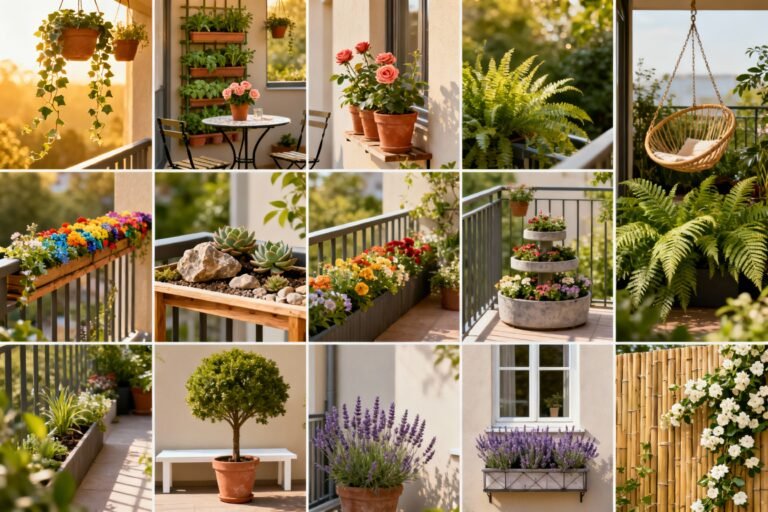
- Containers: Big pots need less water than small ones. Group them for drama and efficiency.
Seasonal rhythm
– Spring: Mulch, divide perennials, plant new shrubs. – Summer: Deadhead, spot-weed, enjoy drinks outside (very important). – Fall: Plant trees and perennials, cut back grasses late. – Winter: Prune structure plants, plan next year’s upgrades.
Small Garden, Big Energy
Tiny space?
Great. Constraints force creativity. Focus on verticals, mirrors, and smart furniture.
- Go up: Trellised vines, espaliered fruit trees, wall planters.
- Dual-purpose furniture: Storage benches, foldable tables.
- Optical tricks: Diagonal pavers make spaces feel wider.
Mirrors bounce light and expand views (use outdoors-safe types).
- Edit ruthlessly: One bold feature beats five little knickknacks.
Container combos that always work
– Thriller (tall), filler (medium), spiller (trailing). Classic for a reason. – Color echo: match foliage to furniture or cushions for that “designer” look. – FYI: water deeply, not daily. Let pots drain fully.
Eco-Friendly Moves That Actually Help
You can boost wildlife and cut maintenance with a few design choices.
And yes, it’ll still look beautiful.
- Native plant layers: Support pollinators and birds while saving water.
- No chemical cocktails: Use compost, mulch, and spot treatments for pests (neem, insecticidal soap).
- Water capture: Rain barrels and permeable paths reduce runoff.
- Leave the leaves (some): Tuck leaves under shrubs for habitat and soil health. Not messy—intentional.
FAQ
How do I design a garden on a tight budget?
Start with edges, mulch, and a few structural plants. Buy smaller shrubs and perennials—they catch up fast.
Use gravel for paths and patios, and propagate plants by division or cuttings. IMO, spend on good soil and irrigation first; they pay dividends.
What plants are “can’t-fail” for beginners?
Look for tough, climate-appropriate options: lavender, salvia, rosemary, echinacea, daylilies, hydrangeas (in partial shade), and ornamental grasses like fountain grass or feather reed grass. Choose based on your sun and zone.
Plant in groups and you’ll look like you know what you’re doing.
How much sun do I really need for vegetables?
Most veggies love full sun—aim for 6–8 hours minimum. Leafy greens tolerate partial shade, especially in summer heat. Keep beds near the kitchen if possible; proximity = more salads, less guilt.
What’s the easiest way to make a small yard feel bigger?
Create zones and sightlines.
Add a path that curves slightly, use vertical elements like trellises, and repeat materials for unity. Limit your plant palette and scale furniture down. One large statement pot beats five small ones, every time.
Do I need a designer for a great garden?
Not necessarily.
If you have a complicated slope, drainage drama, or big construction plans, then yes, hire help. Otherwise, sketch a simple plan, measure carefully, and build in phases. Take photos, adjust, keep going.
Gardens evolve—yours should too.
Conclusion
Designing an outdoor garden doesn’t require a grand vision or a grand budget—just clarity, structure, and a few good plant choices. Start with purpose, add strong bones, and layer plants for all seasons. Keep it manageable, repeat your best ideas, and edit without mercy.
Do that, and your garden won’t just look good—it’ll feel like home. IMO, that’s the whole point.