Philodendron Plant Care: Complete Guide for Beginners
Philodendrons don’t try hard, and that’s exactly why we love them. They trail, climb, and sprawl like laid-back jungle royalty, yet they forgive missed waterings and low light like champs. If you want a plant that looks lush without forcing you to reorganize your life, this is your sign.
Let’s talk Philodendron—the easygoing icon with serious style.
Why Philodendrons Steal the Spotlight
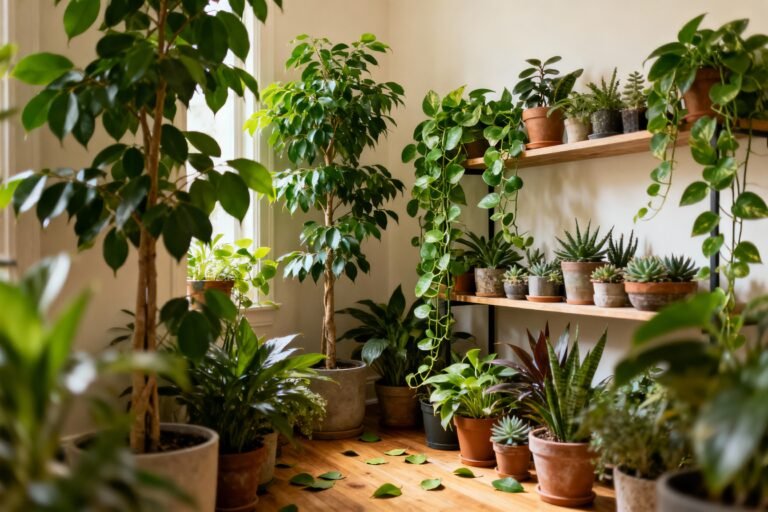
Philodendrons bring tropical drama without the drama. Big heart-shaped leaves, glossy textures, and a habit of filling a corner like it’s their full-time job. They come in endless shapes and sizes, from trailing vines to chunky split-leaf stunners.
They also handle a wide range of homes. Lowish light? Fine.
Forgetful watering? Also fine. They’re built for beginners but still impress plant snobs. IMO, that’s the sweet spot.
Types You’ll Actually Want
The Philodendron family is massive, but a few standouts steal the show.
Here’s a cheat sheet for picking your vibe:
- Heartleaf Philodendron (Philodendron hederaceum) – The classic trailing vine with green, heart-shaped leaves. Basically the “starter pack” plant—and a great one.
- Philodendron Brasil – A variegated version with neon green striping. Looks fancy with zero extra effort.
- Philodendron Micans – Velvet leaves that feel luxe and glow in the light.
Drama but make it soft.
- Philodendron Pink Princess – Hot pink variegation that sparks joy (and sometimes frustration—more on that later).
- Philodendron Gloriosum – Big velvety leaves with white veins. Terrarium-core energy but manageable in a bright spot.
- Philodendron Selloum (a.k.a. Lacy Tree Philodendron) – Huge, deeply lobed leaves.
Needs space, rewards with presence.
- Philodendron Birkin – White pinstripes on dark green leaves. Chic, compact, and very “office plant that gets compliments.”
Climbers vs. Crawlers (Know Your Habit)
Philodendrons either climb or crawl. Climbers like Heartleaf and Micans want a pole or trellis.
Give them one, and their leaves grow bigger. Crawlers like Gloriosum grow horizontally across the soil, pushing a rhizome forward. They prefer wide, shallow pots so they can strut.
Light: The Goldilocks Rule
Philodendrons love bright, indirect light. Think a few feet from a sunny window, not on the sill frying like a pancake.
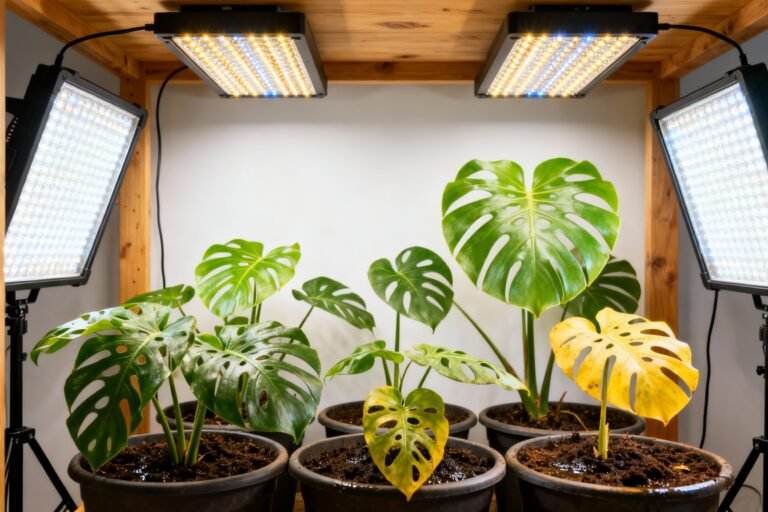
They tolerate low light, but growth slows and variegation may fade. Watch for signals:
- Too little light: Leggy stems, small leaves, dull color.
- Too much light: Crispy edges, pale patches, sad face energy.
FYI, east or north windows usually work. South or west windows can also work if you pull the plant back or use a sheer curtain.
If it’s winter and your room gets cave vibes, a grow light won’t hurt.
Watering Without the Drama
Here’s the deal: Let the top 1-2 inches of soil dry out before watering again. Stick a finger in the soil, or use a moisture meter if you prefer gadgets. These plants would rather go a bit dry than sit in soggy mess.
Water tips:
- Use a pot with drainage holes. Non-negotiable.
- Water thoroughly until it drains out the bottom, then toss the excess.
- In winter, reduce frequency. Your plant isn’t chugging as much.
If leaves yellow all over at once, you probably overwatered.
If older leaves yellow while the rest looks fine, that’s normal shedding. Don’t panic-throw the plant away. Please.
Humidity and Temperature
Philodendrons prefer 40–60% humidity, but most do okay in average homes.
A humidifier or grouping plants together helps, especially for velvety types. Keep temps between 65–80°F and avoid cold drafts or AC blasts. They hate those like you hate surprise Zoom calls.
Soil & Repotting: Get the Roots Right
Philodendrons crave oxygen around their roots, so give them a chunky, airy mix.
You can buy “aroid mix” or DIY it. Here’s an easy recipe:
- 40% high-quality potting soil
- 30% perlite or pumice
- 20% orchid bark
- 10% coconut coir or peat moss
Repot every 1–2 years, or when roots circle the pot or poke out the bottom. Go up just one pot size.
Big jumps hold too much moisture and cause root sulking (yes, that’s a thing).
Fertilizer: The Gentle Nudge
During spring and summer, feed monthly with a balanced, diluted fertilizer (half strength). Slow-release pellets work if you forget liquid feedings. In fall and winter, ease off.
They nap. Let them.
Training, Pruning, and Keeping It Cute
Want bigger leaves on climbing types? Give them a moss pole or coco pole and keep it slightly moist so aerial roots can grab on. Watching a Philodendron realize it can climb feels like giving it Wi-Fi.
Pruning tips:
- Snip leggy vines just above a node to encourage fuller growth.
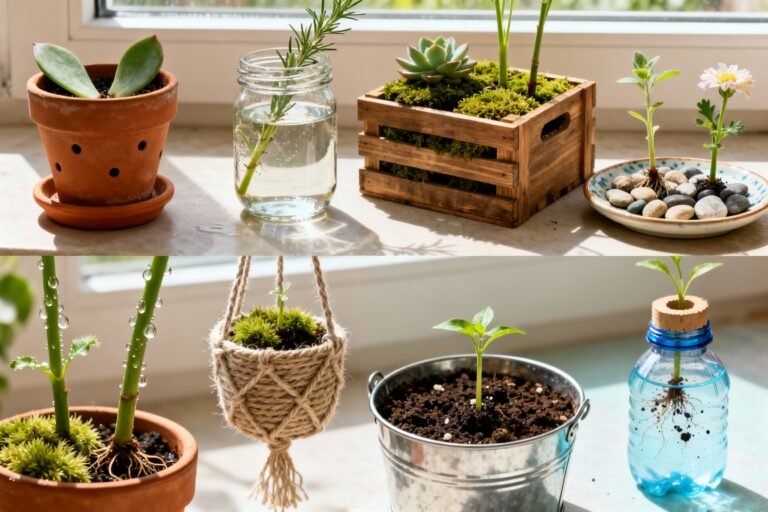
- Propagate those cuttings in water or moss. It’s basically plant cloning for free.
- Rotate the pot every week so it grows evenly. Plants lean like they’re chasing gossip.
Propagation 101
Cut below a node (the knobby bump where leaves and roots form).
Stick the cutting in water, perlite, or moist moss. Keep it warm and bright. Roots appear in a few weeks.
Move to soil when roots are a couple inches long. Boom—new plant, same rent.
Pests, Problems, and How to Keep Your Cool
Philodendrons usually resist pests, but mealybugs, spider mites, or scale sometimes crash the party. Inspect leaves (top and bottom) when you water.
If you spot trouble:
- Shower the plant to knock pests off.
- Wipe leaves with insecticidal soap or neem oil weekly until clear.
- Isolate the plant from others. No cross-contamination, thanks.
Common issues:
- Yellow leaves: Often overwatering. Check your schedule and drainage.
- Brown tips: Low humidity or inconsistent watering.
Humidifier time.
- No new growth: Needs more light or nutrients. Adjust both.
- Variegation fading (Brasil, Pink Princess): Increase light; prune any solid green stems to push variegated growth.
Also, FYI: Philodendrons are toxic to pets and kids if eaten. Keep them out of nibble range.
Styling Ideas That Actually Work
Let’s make it cute, not chaotic.
A few easy wins:
- Trailing varieties in hanging planters or on high shelves for waterfall vibes.
- Climbers on poles as statement pieces—hello, living sculpture.
- Mix leaf textures: Pair a glossy Heartleaf with a velvety Micans for contrast.
- Cluster three sizes (small, medium, large) to create a lush, layered corner.
IMO, one well-placed Philodendron can anchor a room better than most decor trends.
FAQs
How often should I water my Philodendron?
Water when the top inch or two of soil feels dry. That might mean weekly in summer and every 10–14 days in winter. Always adjust to your home’s light, humidity, and pot size.
The soil tells the truth.
Can a Philodendron live in low light?
Yes, but it won’t thrive. Expect slower growth and smaller leaves. Move it closer to a window with indirect light or add a grow light if you want fuller, faster growth and better color.
Why are my Philodendron’s leaves turning yellow?
Usually overwatering or poor drainage.
Check the roots for rot and let the soil dry more between waterings. If only the oldest leaves yellow occasionally, that’s normal aging—no need to spiral.
Do Philodendrons need a moss pole?
Climbing types benefit from one. Poles help them develop larger leaves and stronger stems.
Trailing types can still hang freely, but give a pole if you want that “jungle wall” glow-up.
What’s the best soil for Philodendrons?
A chunky, airy mix. Use potting soil with perlite and orchid bark. You want good drainage with enough moisture retention to keep roots happy but not swampy.
Are Philodendrons safe for pets?
Nope.
They contain calcium oxalate crystals that can irritate mouths and stomachs if eaten. Keep them out of reach of curious nibblers or pick pet-safe plants instead.
Conclusion
Philodendrons punch way above their effort level. Give them bright, indirect light, water when the soil dries out, and a chunky mix, and they’ll reward you with year-round growth and jungle vibes.
They’re forgiving, stylish, and endlessly collectible—kind of the plant world’s soft launch into full-on obsession. Start with one, and don’t act surprised when your shelf turns into a rainforest.