Pink Flower Bouquet Ideas for Weddings, Gifts, and Home Decor
Pink flowers don’t whisper; they glow. They warm up rooms, soften moods, and tell people “Hey, I care” without getting cheesy. A pink flower bouquet delivers romance when you want it, comfort when you need it, and a little bit of “treat yourself” energy when the day feels meh.
Let’s dig into how to choose, style, and care for pink bouquets so yours looks fresh and intentional—not like a last-minute grocery grab.
Why Pink Works (Even If You’re Not a “Pink Person”)
Pink means warmth, tenderness, and optimism, but it also brings range. Soft pinks feel airy and calm, while hot pinks shout “celebration.” You can dial it up or down depending on the vibe. Here’s the secret: pink plays nicely with almost every palette. It complements neutrals, pops against greenery, and balances moody shades like navy or charcoal.
FYI, it’s also the easiest way to make a room feel more alive without repainting a wall.
Color Mood 101
- Blush and ballet pink: romantic, gentle, perfect for weddings and thank-you gifts.
- Rose and fuchsia: bold, modern, ideal for birthdays and celebrations.
- Dusty pink and mauve: sophisticated, works beautifully in offices and minimalist homes.
Best Flowers for a Pink Bouquet
You can build a pink bouquet from dozens of blooms, but a few stars always deliver. Mix shapes and sizes to keep it from looking flat. IMO, you want at least one focal flower, one supporting player, and one textural element.
Focal Flowers (Your Showstoppers)
- Roses: classic for a reason.
Garden roses add lushness; standard roses give structure.
- Peonies: the fluffy drama queens. They look luxe with almost zero effort.
- Dahlias: geometric and bold; fantastic in late summer and fall.
Supporting Blooms (Build the Volume)
- Ranunculus: layered petals, slender stems, very photogenic.
- Lisianthus: ruffly and delicate, lasts longer than you’d expect.
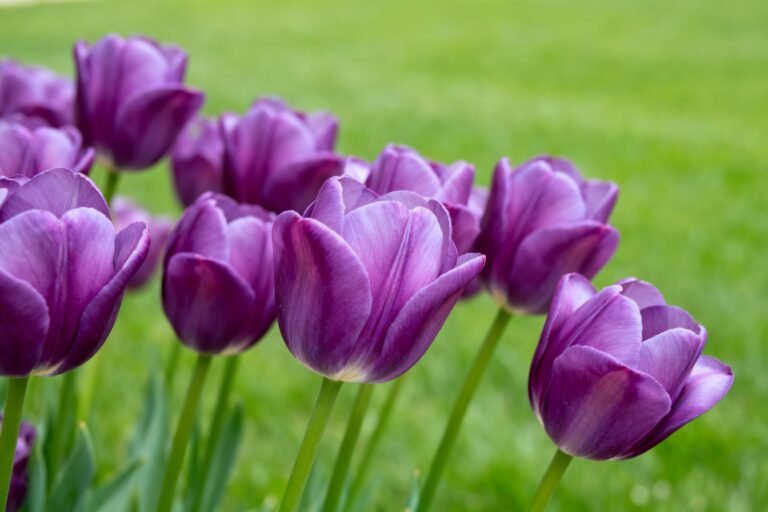
- Tulips: simple, elegant, and they keep growing in the vase—charming chaos.
Texture and Fillers (The Secret Sauce)
- Waxflower or rice flower: tiny blooms that add airiness.
- Astilbe: feathery texture that softens the whole look.
- Eucalyptus or ruscus: cool-toned greenery that balances pink’s warmth.
How to Build a Pink Bouquet That Looks Pro
You don’t need a florist’s toolkit. You just need a little structure and a game plan.
Think of it like a playlist: you want highs, lows, and transitions, not 12 identical ballads.
Simple Step-by-Step
- Pick a color direction: soft pinks only, or a range from blush to fuchsia. Don’t mix wildly unless you love chaos.
- Choose 1-2 focal flowers: peonies + roses, or dahlias + ranunculus.
- Add supporting blooms: 2-3 stems per focal stem keeps balance.
- Layer in greenery: start with a greenery “collar,” then fill the middle.
- Vary stem heights: create a dome or asymmetric shape—avoid the dreaded “pink lollipop.”
- Spiral your stems: angle each stem slightly the same direction. It sounds fussy, but it makes tying and arranging easier.
Composition Tips
- Odd numbers win: use 3, 5, or 7 focal blooms.
Your eye will thank you.
- Texture matters: mix ruffly petals with sleek ones so it doesn’t feel flat.
- Leave breathing room: pack tightly in the center, loosen at the edges.
Pairing Pink with Other Colors
Want your bouquet to look curated, not matchy-matchy? Color pairing is the cheat code.
- Pink + white/cream: clean and timeless. Perfect for minimalists.
- Pink + coral/peach: soft, sunrise vibes.
Great for spring and summer.
- Pink + burgundy: depth and drama. Date-night energy.
- Pink + lavender: dreamy and romantic without going saccharine.
- Pink + chartreuse/greenery: high-contrast and modern, especially with eucalyptus.
What to Avoid (Usually)
- Too many hot pinks with red: it can scream clash unless you balance with neutrals.
- All blush with no texture: beautiful, but it risks looking flat in photos.
Occasions That Pink Nails Every Time
Pink bouquets don’t just scream romance. They also whisper “you’ve got this” and “happy you exist.” Versatile much?
- Weddings: blush roses, peonies, and eucalyptus = instant romance.
- Birthdays: go bright with fuchsia dahlias or hot pink ranunculus for party energy.
- New baby: soft pink with white and sage green feels fresh and cozy.
- Get well: cheerful pink tulips or gerberas brighten any hospital room.
- Thank you: a compact, fragrant bouquet with stock and spray roses hits the sweet spot.
Gift Presentation Hacks
- Wrap in kraft paper: chic and recyclable.
Tie with a satin ribbon for contrast.
- Add a scent note: tuck in a sprig of lavender or mint. Unexpected and delightful.
- Include a care card: a few tips shows thoughtfulness (and helps the flowers live longer).
Vase Styling: Make It Look Like You Tried (Without Trying)
The right vase turns “nice bouquet” into “who’s your florist?” Shape matters more than price, IMO.
- Cylinder vase: great for structured rose bouquets and tulips.
- Footed compote: perfect for romantic, drapey arrangements with peonies and ranunculus.
- Bud vases: split a larger bouquet into 3-5 mini arrangements for a tablescape.
- Pitchers and jars: casual, farmhouse charm—surprisingly chic with dusty pinks.
Quick Arranging Tricks
- Tape grid: make a crisscross on the vase opening with clear tape for structure.
- Greenery base: insert foliage first so blooms sit where you want them.
- Face the heroes: turn focal blooms slightly outward for that “hello, gorgeous” effect.
Keep It Fresh: Care Tips That Actually Work
Flowers don’t ask for much, but they appreciate a little routine. Give them five minutes and they’ll reward you for a week (or more).
- Clean vase, always: bacteria = wilt city.
Wash with soap before arranging.
- Trim stems diagonally: 1 inch off under running water to prevent air bubbles.
- Remove low leaves: nothing below the waterline. Rot ruins everything.
- Use flower food: it’s not a scam. If you don’t have it, a tiny splash of lemon-lime soda can help.
- Change water every 2 days: and retrim stems.
Yes, it matters.
- Avoid heat and direct sun: kitchen appliances and windows speed up wilting.
Longevity Cheat Sheet
- Longest-lasting pinks: chrysanthemums, alstroemeria, carnations, lisianthus.
- Shorter but stunning: peonies, garden roses, tulips (worth it).
FAQ
How many stems do I need for a full-looking pink bouquet?
It depends on stem size. For medium blooms like roses or ranunculus, aim for 12–18 stems plus 5–7 stems of greenery. For big-headed flowers like peonies or dahlias, 7–9 stems can look abundant with filler.
Can I mix pink with orange or yellow without it looking loud?
Yes, if you anchor the palette.
Use a neutral base (white or soft green), keep the pinks soft, and introduce orange or yellow in smaller doses. Coral and peach bridge the gap beautifully and prevent clashing.
What flowers smell best in a pink bouquet?
Try garden roses, stock, and sweet peas for fragrance that doesn’t overwhelm. Add a little eucalyptus for a fresh, spa-like note.
Skip overly strong lilies if the bouquet sits on a dinner table—scent can compete with food.
How do I make a budget-friendly pink bouquet look luxe?
Mix affordable workhorses—like carnations, alstroemeria, and mums—with 2–3 premium stems (a couple of peonies or garden roses). Use lush greenery, vary the heights, and pick a chic vase. Presentation upgrades the whole vibe without draining your wallet.
What’s the best season for pink bouquets?
All year, but the stars shift.
Spring shines with peonies, tulips, and ranunculus. Summer brings dahlias and garden roses. Fall loves chrysanthemums and zinnias.
Winter leans on lisianthus, anemones, and textural greenery for depth.
My tulips keep drooping—help?
They’re drama queens by design. Recut stems, wrap the bunch loosely in paper for support, and let them drink in cool water for an hour. They’ll perk up, then keep growing and curving—embrace the movement, it’s part of their charm.
Conclusion
A pink flower bouquet doesn’t just sit pretty—it sets a mood.
Build with a few hero blooms, layer in texture, and choose colors intentionally, and you’ll get something that feels personal and polished. Keep the care simple, upgrade the vase, and let pink do what it does best: bring warmth, joy, and a little bit of magic to the moment. IMO, that’s a win every time.