Plant Box Ideas: How to Grow Plants in Stylish Containers
Some ideas stick because they’re simple, useful, and a little bit delightful. That’s the plant box in a nutshell: a compact ecosystem that brings greenery to places where it usually struggles. Window ledges, tiny balconies, rental kitchens—plant boxes make them bloom.
If you’ve ever wanted a garden without committing to, you know, actual ground, read on.
What Is a Plant Box, Really?
A plant box is exactly what it sounds like: a container designed to grow plants in tight or strategic spaces. Think of it as a smart, stylish alternative to traditional pots and raised beds. You can mount them on railings, hang them from windows, or line them up on a sunny shelf.
The magic lies in how they manage space and water. Many plant boxes come with built-in drainage, water reservoirs, or modular dividers. Translation: less mess, fewer dead plants, and more control over what grows where.
Why Plant Boxes Are Low-Key Genius
Let’s be honest: not everyone wants to become a full-on gardener. Plant boxes give you the wins without the weeds.
Here’s why they’re awesome:
- Space savers: Narrow footprint, big impact. Perfect for balconies, patios, and windows.
- Better roots, better plants: Even small boxes can support deep-rooted herbs and flowers if designed right.
- Less overwatering drama: Many boxes include drainage or self-watering features. Spoiler: plants love consistency.
- Design flexibility: Wood, metal, recycled plastic—there’s a style for every vibe.
- Moveable micro-gardens: Shift them seasonally, dodge storms, or chase the sun like a plant paparazzi.
Self-Watering: Hype or Helpful?
Short answer: helpful.
A reservoir under the soil feeds roots from below, which reduces watering frequency and keeps leaves dry. FYI: You still need to top-water sometimes to flush salts and check soil health.
Choosing the Right Plant Box
Not all boxes are created equal, and yes, materials matter. Here’s how to choose without overthinking.
Material Breakdown
- Wood: Warm look, great for rustic or Scandinavian vibes. Cedar and redwood resist rot.
Seal the interior for longevity.
- Metal: Sleek and durable. Powder-coated steel or aluminum works best. Watch for heat on sun-baked balconies.
- Plastic/Composite: Lightweight, affordable, and low-maintenance.
Choose UV-stable options so they don’t crack.
- Concrete/Fiberstone: Modern and sturdy. Heavier than your last breakup. Amazing for stability and insulation.
Size and Depth
Match the box to your plant’s roots:
- Shallow (6–8 inches): Leafy greens, radishes, pansies, succulents.
- Medium (8–12 inches): Herbs, strawberries, marigolds, dwarf peppers.
- Deep (12–18 inches): Tomatoes, bush beans, compact roses.
IMO: If you’re unsure, go a bit deeper.
Roots appreciate the legroom.
What to Plant: High-Reward Combos
You can grow almost anything, but some pairings shine in plant boxes.
Herb Trio That Never Fails
- Basil + Parsley + Chives: Similar watering needs, compact growth, constant kitchen use.
Salad Box for Lazy Lunches
- Leaf lettuce + Baby kale + Radishes: Quick harvests, cut-and-come-again greens, pretty textures.
Pollinator Parade
- Marigolds + Calendula + Alyssum: Colorful, fragrant, and bee-friendly. Also low-maintenance.
Edible Balcony Flex
- Cherry tomatoes (dwarf) + Basil: Classic companions. Add a small trellis and watch the magic.
Pro tip: Mix tall, mid, and trailing plants for drama: thriller, filler, spiller.
Yes, the rhyme helps you remember.
Soil, Drainage, and The Watering Dance
Plant boxes succeed or fail based on what you put inside them. Dirt from the yard? Hard pass.
Use a quality potting mix.
Your Soil Mix, Simplified
- Base: All-purpose potting mix (not garden soil).
- Aeration: Add perlite or pumice (10–20%) for fluffiness.
- Water retention: Mix in coco coir if your climate runs hot and dry.
- Nutrients: Slow-release organic fertilizer at planting, then light liquid feed every few weeks.
Drainage Matters More Than You Think
Make sure the box has holes. If it doesn’t, drill some. Put a thin mesh over holes to keep soil in and let water out. No pebbles at the bottom—myth busted.
Watering Rhythm
Stick a finger two inches into the soil.
Dry? Water thoroughly until it drains. Cloudy week?
Hold back. Plants hate extremes, just like the rest of us.
Design and Placement: Make It Look Intentional
You can toss a plastic box on a railing and call it a day, but a little styling goes a long way.
- Match materials to architecture: Wood on wood, metal on modern, color pops for minimalist spaces.
- Group in odd numbers: Three boxes beat two. It reads as a design choice, not “I stopped halfway.”
- Mind the light: South and west get the most sun; east is gentle; north is shade territory.
- Secure mounts: Use proper brackets rated for the weight of wet soil.
Your downstairs neighbor will thank you.
- Layer heights: Combine rail-mounted boxes with floor planters for depth.
Seasonal Swaps Without the Headache
Keep a few insert liners ready. Swap spring flowers for summer edibles without redoing the whole setup. FYI: Liners also reduce wear on the main box and make cleanup easy.
Maintenance: The 10-Minute Weekly Routine
You don’t need a spreadsheet to keep plant boxes happy. Just a quick rhythm.
- Water check: Quick finger test, adjust for weather.
- Snip and tidy: Deadhead spent blooms, pinch herbs to keep them bushy.
- Pest scan: Look under leaves for aphids or mites.
A blast of water or insecticidal soap usually fixes early signs.
- Feed lightly: Every 3–4 weeks in the growing season. Don’t overdo it unless you like crispy edges.
- Rotate: Turn boxes 90 degrees every week or two for even growth.
IMO: Consistency beats intensity. A little attention regularly saves you from plant drama later.
FAQs
How big should drainage holes be in a plant box?
Aim for several holes around 1/4 inch in diameter, spaced every few inches.
You want water to exit quickly but not so fast that soil washes out. Add mesh or landscape fabric if your mix is very fine.
Can I use a plant box indoors?
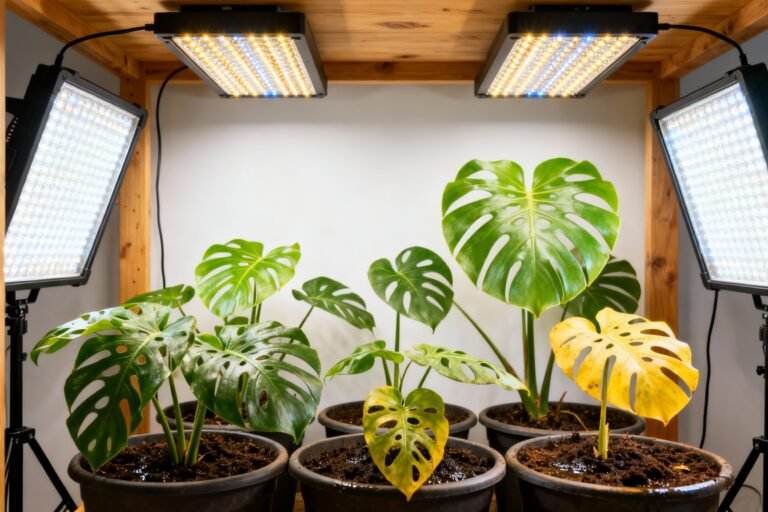
Yes, but choose boxes with watertight liners or trays. Place them near bright windows or use a simple LED grow light.
Indoors, prioritize herbs, leafy greens, and compact houseplants that don’t mind close quarters.
What can I grow in partial shade?
Plenty. Try mint, parsley, chives, spinach, lettuce, and pansies. They tolerate morning sun and afternoon shade beautifully, and they won’t sulk on overcast days.
Do I need to line a wooden plant box?
It helps.
A plastic or pond-liner insert extends the life of the wood and prevents rot. Just remember to add holes to the liner that align with the box’s drainage.
Why do my plant box leaves turn yellow?
Usually overwatering, nutrient deficiency, or poor drainage. Check moisture first, then consider a balanced liquid fertilizer.
If roots sit in water, fix drainage or repot—yellow leaves don’t magically turn green again.
How do I keep soil from drying out too fast?
Mix in coco coir or compost for moisture retention and top with a thin layer of mulch. Self-watering boxes also help a ton during heat waves. Water in the early morning so plants start the day hydrated.
Wrap-Up: A Tiny Box With Big Vibes
Plant boxes turn awkward corners into lush little moments.
They make fresh herbs reachable, flowers unavoidable, and balconies way more charming. Start with one, dial in your light and watering, then expand your mini empire. Your windows will look better, your salads will taste fresher, and your neighbors will definitely ask for tips—pretend you’re a pro.
You kind of are now.